
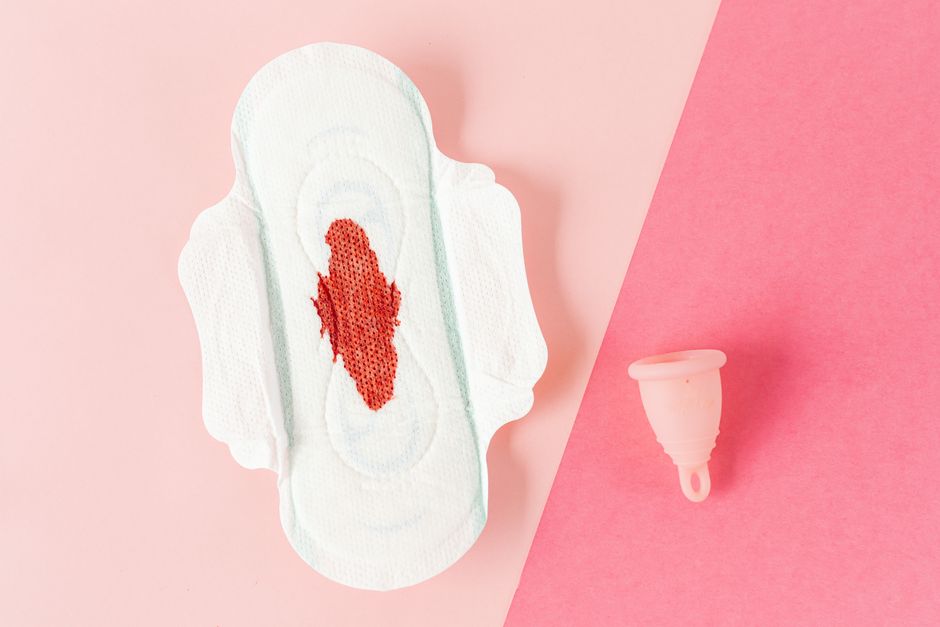
Some people try to delay their menstrual period by taking hormonal birth control continuously, skipping the placebo week, or using other medications. But doing this without a doctor’s guidance can lead to side effects like breakthrough bleeding, hormonal changes, and missed signs of pregnancy or other health issues. The reason it is risky is that your menstrual cycle is a natural hormonal process, and interrupting it artificially can cause unpredictable bleeding, mask medical problems, and has limited long-term safety data when done outside approved regimens.
How Can You Prolong Your Period? Common Methods
The most common way to prolong a period is to delay it rather than extend it. People who use combined hormonal birth control pills can skip the placebo week and start a new pack immediately. This keeps hormone levels steady and prevents the drop that triggers bleeding. Some doctors also prescribe progesterone pills like norethindrone to delay a period for a few days or weeks.
Other methods include using a hormonal intrauterine device (IUD) or implant, which can lighten or stop periods over time, but these are not designed for short-term delay. There is no approved way to prolong an active period once bleeding has already started. What people often mean by “prolong” is actually “delay” — postponing the start of a period.
Important: These methods are not recommended without medical supervision. The risk of unplanned pregnancy, breakthrough bleeding, and side effects increases when you alter your cycle without guidance.
Why Do People Want to Prolong Their Period?
Reasons vary. Some want to avoid menstruation during a vacation, wedding, or important athletic event. Others have medical conditions like heavy bleeding or painful cramps and seek longer intervals between periods. Some cultures or religious practices discourage menstruation during certain activities. And some people simply dislike the inconvenience.
These are understandable reasons. But the desire to delay a period should be balanced against the potential downsides. What works for one person may not work for another. The safest approach is to discuss your specific situation with a healthcare provider.
The Risks of Prolonging Your Period
The risks depend on the method used and how long you prolong it. Common risks include:
- Breakthrough bleeding: Spotting or heavier bleeding at unexpected times. This is the most common side effect and tends to increase the longer you skip periods.
- Hormonal side effects: Nausea, breast tenderness, mood changes, headaches. These may improve after a few months but can be bothersome.
- Missing pregnancy: if you are pregnant and unaware, prolonged use of birth control will not end the pregnancy, but it can delay recognition and prenatal care.
- Endometrial buildup: With some progestin-only methods like the implant or IUD, the uterine lining may thin rather than build up. But with extended use of combined pills, there is a theoretical risk of endometrial hyperplasia if the lining is not shed regularly. This is rare with approved regimens.
No large studies have confirmed serious long-term harm from skipping periods for months at a time under medical supervision, but the evidence is limited. Some studies suggest that extended cycling may increase the risk of blood clots slightly compared to cycling monthly, but the absolute risk remains low for most women. The risk is highest for smokers over 35 and those with high blood pressure or a history of clots.





What Happens to Your Menstrual Cycle When You Prolong It?
To understand the risk, you need to understand the normal cycle. Each month, hormones from the brain signal the ovaries to release an egg. Estrogen builds the uterine lining. After ovulation, progesterone stabilizes the lining. If no pregnancy occurs, hormone levels drop and the lining sheds — that is your period.
Hormonal birth control works by keeping hormone levels steady, preventing ovulation, and thinning the uterine lining. When you skip the placebo week, you maintain stable hormone levels. The lining stays thin and does not build up. This is why many people have lighter or no periods on continuous birth control.
After several months of skipping periods, breakthrough bleeding becomes more likely. The lining may start to shed unpredictably. This is not harmful in itself but can be inconvenient and sometimes heavier than expected. Over time, the lining remains thin, so the risk of abnormal thickening is low with combined pills. With progestin-only methods, the lining is even thinner.
The Reason Prolonging Your Period Is Risky
The core reason is that you are overriding a natural hormonal cycle with synthetic hormones. While this is generally safe when done under medical guidance for approved indications, it becomes riskier when done without a prescription, without checking for pregnancy, or for prolonged periods beyond what is studied.
Key risks that motivated this article:
- Breakthrough bleeding can be heavy enough to cause iron deficiency or interfere with daily life.
- Masking pregnancy is a real concern. If you skip periods for months, you may not realize you are pregnant until later stages.
- Blood clot risk increases slightly with estrogen-containing contraceptives, especially if you smoke, are over 35, have migraines with aura, or have other risk factors. Prolonged continuous use may further increase this risk, but the evidence is not conclusive.
- No long-term safety data exists for continuous use beyond two or three years. Most studies cover up to one year.
The bottom line: prolonging your period is not unsafe for most healthy women when done under a doctor’s care using approved regimens. But it is risky if you do it without medical guidance, use methods not intended for this purpose, or ignore warning signs like severe bleeding or pain.
Safer Alternatives and Medical Options
If you want to delay your period, the safest way is to talk to a healthcare provider. They may prescribe a short course of progesterone like norethindrone (brand name Aygestin or generic) to delay your period by up to two weeks. They can also help you adjust your birth control pill schedule safely.
For people who want to skip periods long-term, some combination pills are FDA-approved for extended cycling (e.g., Seasonale, Seasonique, Yaz, Lo Loestrin Fe). These involve taking active pills for 84 days followed by seven days of placebo, resulting in four periods per year. Other pills can be used off-label in the same way if a doctor approves.
For those who cannot take estrogen, progestin-only methods (mini-pill, implant, hormonal IUD) often reduce or stop periods but take several months to reach that effect. They are not reliable for immediate delay.
Important: Do not attempt to use over-the-counter medications, herbs, or supplements to prolong your period. There is no evidence they work, and some can interact with medications or cause harm. Ibuprofen and other NSAIDs can reduce menstrual flow but will not stop or delay a period; they also carry risks if used in high doses for long periods.
What About Natural Methods?
Some people try herbs like ginger, turmeric, or vitamin C to delay periods. No clinical evidence supports these claims. Some herbal remedies can affect hormone levels or blood clotting. For example, large amounts of vitamin C can cause stomach upset but will not reliably delay a period. Some herbs like black cohosh or chasteberry may influence estrogen but have not been studied for period delay and are not regulated for purity or dosage.
Medical experts advise against relying on natural methods for this purpose. The risks of unknown interactions or unpredictable effects outweigh any potential benefit. Stick to methods your doctor can oversee.
Frequently Asked Questions
Can delaying my period cause infertility?
No evidence shows that delaying your period with hormonal birth control causes infertility. Fertility returns to normal after stopping the method, typically within a few months.
Is it safe to skip the placebo pills every month?
Yes, it is considered safe for healthy women who do not have contraindications to hormonal contraceptives, but you should discuss it with your doctor first. Breakthrough bleeding is the most common side effect.
What are the side effects of prolonged period?
Common side effects include breakthrough spotting, headaches, nausea, breast tenderness, and mood changes. Heavy bleeding or severe pain should be evaluated by a doctor.
How can I safely postpone my period for a trip?
Talk to your doctor at least one month before your trip. They can prescribe progesterone pills for a short delay or help you adjust your birth control pill schedule. Do not try to postpone a period once bleeding has started.
