
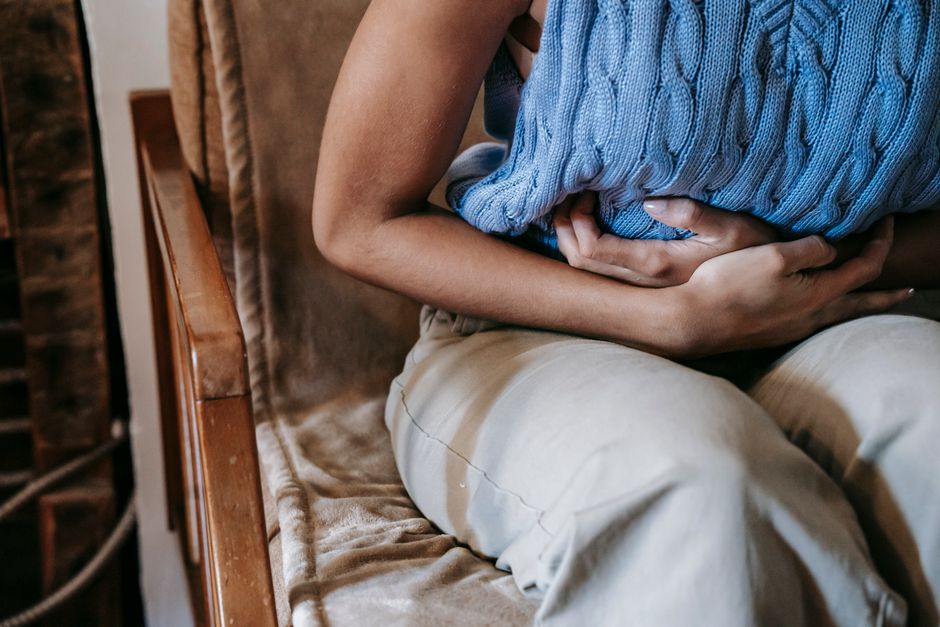
That heavy, tight feeling in your belly right before or during your period is not in your head. Period bloating is real and it happens to most people who menstruate. The short answer is that your body retains more water and salt during certain parts of your cycle because of shifting hormone levels.
What Actually Causes Period Bloating?
Your hormone levels do not stay steady throughout the month. They rise and fall in a predictable pattern. Just before your period starts, both estrogen and progesterone drop sharply. This drop signals your body to hold onto more sodium and water.
Think of it like your kidneys getting a message to stop flushing out as much fluid. The extra water has to go somewhere. It settles in your belly, your fingers, your ankles, and your breasts. This is not fat gain. It is fluid shift. The weight you see on the scale is temporary water weight.
Progesterone also slows down your digestive system. Food moves through your intestines more slowly during the second half of your cycle. Slower digestion means more gas and more pressure in your abdomen. That adds to the bloated feeling.
The CDC reports that fluid retention affects most women of reproductive age during their menstrual cycle. It is a normal bodily response, not a sign that something is wrong.
Why Does Bloating Feel Worse for Some People?
Not everyone experiences period bloating the same way. Some people barely notice it. Others feel like they have gained five pounds overnight. The difference often comes down to how sensitive your body is to hormone changes.
Some studies suggest that people with higher baseline estrogen levels may retain more fluid. Others have digestive systems that react more strongly to progesterone. If you already deal with irritable bowel syndrome or other gut issues, the hormonal slowdown can hit you harder.
Your diet in the days before your period also matters. High-sodium foods make your body hold onto even more water. If you crave salty snacks before your period — and many people do — you are essentially adding fuel to the fire.
Stress plays a role too. Cortisol, your stress hormone, can increase fluid retention on its own. When you combine high stress with the natural hormonal shifts of your cycle, bloating can become more noticeable.
Does Drinking More Water Actually Help Period Bloating?
This sounds backwards. If you are already holding onto water, why would you drink more? But research supports it. When you are dehydrated, your body clings to every drop of fluid it has. Drinking enough water signals your kidneys that it is safe to release the extra.
The American College of Obstetricians and Gynecologists recommends staying well-hydrated throughout your cycle. Aim for water as your main drink. Caffeinated drinks and sugary sodas can work against you. Caffeine is a mild diuretic, but it can also increase anxiety and tension in some people, which does not help the bloated feeling.
Herbal teas like peppermint or ginger can be useful here. They provide hydration and may help with gas and digestion at the same time. There is no magic dose. Just consistent hydration across the day.
One note: drinking excessive amounts of water will not flush out bloating faster. Your body can only process so much fluid per hour. Spreading your intake across the day works better than chugging large amounts all at once.




What Foods Make Period Bloating Worse?
Some foods clearly increase bloating during your period. Others are more individual. Here is what the evidence points to:
- Salty foods — Chips, processed meats, canned soups, and fast food all contain high sodium. Sodium makes your body hold water. The effect is stronger when your hormones are already telling your kidneys to retain fluid.
- Sugary foods — High sugar intake can cause blood sugar spikes and crashes. This can worsen PMS symptoms including bloating for some people.
- Carbonated drinks — The gas in soda and sparkling water gets trapped in your digestive system. When your digestion is already slowed by progesterone, that trapped gas stays longer.
- Cruciferous vegetables — Broccoli, cauliflower, cabbage, and Brussels sprouts are healthy foods. But they produce gas during digestion. If you are already bloated, they can add to the problem. This does not mean avoid them entirely. Just be aware of how your body reacts.
- Dairy — Some people have mild lactose intolerance they do not notice normally. But with slower digestion, dairy can cause more gas and bloating.
A 2023 study published in Nutrients found that a low-sodium diet significantly reduced bloating scores in women with PMS compared to their usual diet. This is one of the few dietary changes with direct evidence behind it.
What Actually Works to Reduce Period Bloating?
There is no single cure that works for everyone. But several approaches have solid evidence behind them. Here is a comparison of common options:
| Approach | How It Works | Evidence Strength |
|---|---|---|
| Lower sodium intake | Reduces water retention directly | Strong — multiple studies support this |
| Potassium-rich foods | Helps balance sodium and fluid levels | Moderate — some studies suggest benefit |
| Magnesium supplements | May reduce overall PMS symptoms including bloating | Moderate — mixed results but promising |
| Exercise | Improves circulation and digestion | Strong for general PMS relief, moderate for bloating specifically |
| Diuretics (water pills) | Force kidneys to release fluid | Effective but only with a prescription — do not use over-the-counter versions |
Potassium helps your body balance sodium. Eating bananas, sweet potatoes, spinach, or avocados in the days before your period may help. The evidence is not as strong as for sodium reduction, but it is a low-risk change to try.
Magnesium supplements have been studied for PMS symptoms. A 2021 review in BMC Complementary Medicine and Therapies found that magnesium combined with vitamin B6 reduced PMS symptoms including bloating in several trials. The doses used were typically 200-400 mg per day. Start with a lower dose to see how your digestive system handles it.
Exercise helps even though it is the last thing you want to do when bloated. Walking, swimming, or gentle yoga improves circulation and gets your digestive system moving. You do not need intense workouts. Twenty minutes of moderate movement is enough to make a difference.
When Should You Be Concerned About Bloating?
Period bloating is normal. But not all bloating is period bloating. If your bloating does not go away after your period starts, or if it happens at other times in your cycle, something else may be going on.
Talk to a healthcare provider if you notice any of these signs:
- Bloating that lasts more than a few days after your period ends
- Bloating that gets worse over time instead of following a cycle pattern
- Pain that is severe enough to interfere with daily activities
- Changes in bowel habits that last more than a few weeks
- Bloating accompanied by unexplained weight loss
Conditions like endometriosis, polycystic ovary syndrome, and irritable bowel syndrome can all cause bloating that mimics period bloating. Ovarian cancer is rare but persistent bloating is one of its early signs. The American Cancer Society notes that bloating that lasts for more than two weeks and feels different from your usual symptoms should be evaluated.
Most cases of period bloating are harmless. But your body knows what is normal for you. If something feels off, trust that feeling and get it checked.
Common Misconceptions About Period Bloating
One widespread claim is that detox teas or cleanses can fix period bloating. This is not supported by evidence. Your liver and kidneys already do the work of filtering your blood. No tea or cleanse speeds that up in a meaningful way. Some of these products contain diuretics or laxatives that create a temporary feeling of less bloat, but they can also dehydrate you and cause electrolyte imbalances.
Another myth is that you should stop eating to avoid bloating. Restricting food can actually make things worse. Your body needs consistent nutrition. Skipping meals can lead to overeating later and can worsen blood sugar swings, which may increase PMS symptoms overall.
Some people believe that birth control pills always help with bloating. For some, they do. For others, they make it worse. Combined hormonal birth control can reduce the hormone fluctuations that trigger bloating. But progestin-only methods can cause fluid retention in some users. The effect is individual.
There is also a claim that apple cider vinegar cures bloating. As of 2026, there is no clinical evidence that apple cider vinegar reduces period bloating specifically. It may help some people with general digestion, but the research is very limited and the strong claims online are not supported by studies.
Frequently Asked Questions
How long does period bloating usually last?
Period bloating typically starts one to two days before your period begins and lasts for the first few days of bleeding. It usually resolves on its own by day three or four of your period.
Can birth control pills help with period bloating?
Some people find relief from bloating with combined hormonal birth control because it evens out hormone levels. But the effect varies and some methods may cause fluid retention in others.
Is period bloating a sign of pregnancy?
Bloating can occur in early pregnancy due to similar hormone changes, but it is not a reliable sign on its own. If your period is late and you are bloated, take a pregnancy test.
Does exercise make period bloating worse or better?
Moderate exercise like walking or yoga usually helps reduce bloating by improving circulation and digestion. Intense exercise may not be comfortable during bloating but does not make it worse.
