
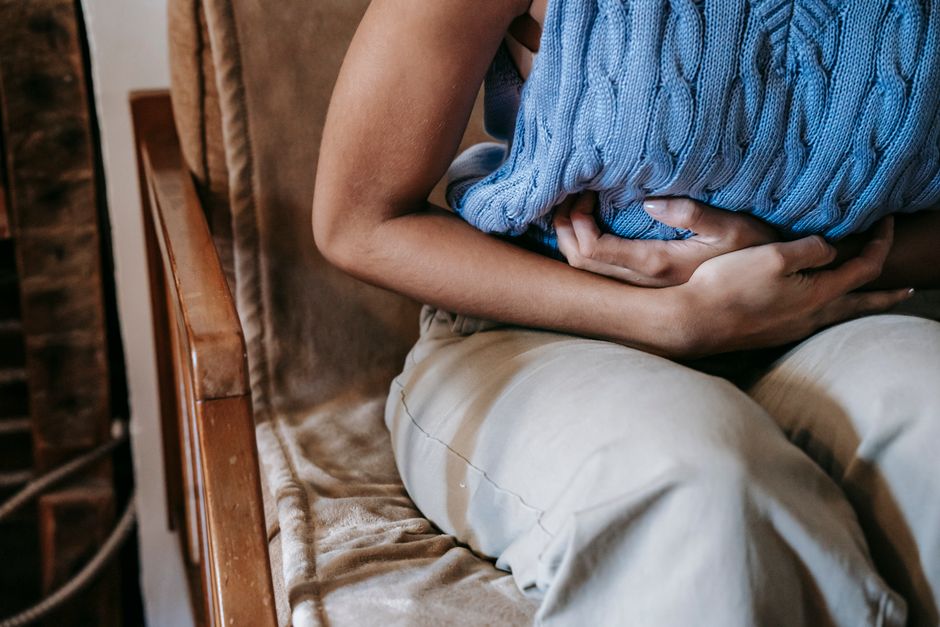
Bloating feels like pressure inside your abdomen that will not let up. Your stomach may look swollen, and your clothes might feel tight around the waist. For most people, it is a sensation of fullness or stretching that can be uncomfortable but not dangerous. The feeling usually comes after eating and may last anywhere from a few hours to a full day.
What Does Bloating Actually Feel Like in the Body?
The physical sensation of bloating is hard to miss. People describe it as having a balloon inflated inside their belly. The abdomen becomes visibly distended — sticking out more than usual. You may feel a dull ache or sharp pangs on and off throughout the day.
Some people also feel gurgling or rumbling sounds from their gut. This is normal. The intestines are moving gas and fluid around. But when bloating is severe, even light pressure on the belly can feel tender. The discomfort often gets worse as the day goes on, especially after meals.
Research published in the American Journal of Gastroenterology found that bloating affects roughly 15 to 30 percent of adults in the United States. Women report it more often than men. The study noted that many people who experience bloating also have other gut symptoms like gas or irregular bowel movements.
What Causes the Sensation of Bloating?
Bloating happens when gas builds up in your digestive tract. This gas can come from swallowing air while eating or drinking. It can also come from bacteria in the gut breaking down food that was not fully digested earlier in the process.
Some foods produce more gas than others. Beans, lentils, broccoli, cabbage, onions, and carbonated drinks are common triggers. For some people, eating too fast or drinking through a straw adds extra air to the stomach. The body can handle some gas, but when too much collects, the walls of the intestines stretch. That stretching is what you feel as bloating.
There is another cause that many people do not know about. The gut nerves can become extra sensitive. In some cases, the amount of gas is normal, but the nerves react as if something is wrong. This is called visceral hypersensitivity. It is common in people with irritable bowel syndrome (IBS). The American College of Gastroenterology reports that up to 70 percent of people with IBS list bloating as a major symptom.
How Is Bloating Different from Water Retention?
People often confuse bloating with water retention, but they are not the same thing. Bloating is gas trapped in the digestive tract. Water retention is fluid buildup in tissues throughout the body. The two feel different and have different causes.
Bloating tends to come on quickly — within minutes or hours after eating. Water retention builds up more slowly over days. Bloating is centered in the abdomen. Water retention affects the hands, feet, ankles, and face. If you press on a swollen ankle and it leaves a dent, that is water retention. Bloating does not do that.
| Symptom | Bloating | Water Retention |
|---|---|---|
| Timing | Appears within hours of eating | Builds over days |
| Location | Abdomen only | Hands, feet, ankles, face |
| Sensation | Tight, full, gassy | Puffy, heavy, tight skin |
| Cause | Gas, digestion issues | Salt intake, hormones, medications |
Understanding the difference matters because the solutions are different. For bloating, changing what you eat and how you eat helps. For water retention, reducing salt and staying hydrated is more effective.




What Does the Research Say About What Helps Bloating?
The research on bloating treatments is mixed. Some approaches have solid evidence behind them. Others are widely claimed but have little proof. It helps to know the difference.
Peppermint oil has some of the strongest evidence. A 2019 review in the Journal of Clinical Gastroenterology found that peppermint oil capsules reduced bloating in people with IBS. The effect was modest but real. The oil relaxes the muscles in the gut, which allows gas to pass more easily.
Probiotics are a different story. Some studies suggest certain strains like Bifidobacterium infantis may help with bloating. But the evidence is not consistent. A 2020 analysis in Nutrients looked at 37 studies and found that probiotics helped some people but not others. The effect depended on the specific strain and the person’s gut bacteria. There is no one-size-fits-all probiotic for bloating.
Ginger is another common remedy. Some people report that ginger tea settles their stomach. Laboratory studies show ginger can speed up stomach emptying. But large human trials are lacking. The evidence is suggestive, not conclusive.
One thing the research is clear on is that lying down after eating makes bloating worse. Gravity helps gas move through the digestive tract. When you lie flat, gas can get stuck. A small study in the Scandinavian Journal of Gastroenterology showed that walking for 10 to 15 minutes after a meal significantly reduced gas buildup compared to sitting or lying down.
When Should You See a Doctor About Bloating?
Most bloating is harmless and temporary. But there are times when it signals something more serious. The key is knowing the difference between occasional discomfort and a pattern that needs medical attention.
You should see a doctor if bloating lasts more than two weeks without relief. You should also seek care if the bloating comes with pain that stops you from doing normal activities. Unexplained weight loss, blood in your stool, or fever alongside bloating are red flags. These symptoms could point to an infection, inflammatory bowel disease, or in rare cases, ovarian cancer.
The American Cancer Society notes that persistent bloating is one of the early symptoms of ovarian cancer. But it is important to keep this in perspective. Ovarian cancer is rare. Only about 1 in 78 women will get it in their lifetime. Most bloating is not cancer. But if bloating is new, persistent, and accompanied by pelvic pain or feeling full quickly, it is worth a checkup.
For most people, bloating is a nuisance, not a danger. Keeping a food diary for a week can help identify triggers. Write down what you ate, when you felt bloated, and how long it lasted. Patterns often emerge that are easy to fix once you see them.
What to Avoid When You Feel Bloated
Some habits make bloating worse even though they seem like they should help. Knowing what to avoid is just as important as knowing what to do.
- Carbonated drinks. The bubbles are gas. Drinking soda or sparkling water adds gas directly to your stomach. Still water is a better choice.
- Chewing gum. You swallow air when you chew. That air has to go somewhere. Most of it ends up in your gut.
- Eating too fast. Rushing through meals means more swallowed air and less chewing. Both lead to more gas.
- Artificial sweeteners. Sorbitol and xylitol are common in sugar-free gum and candy. The body does not digest them well. Gut bacteria ferment them and produce gas.
- Lying down after eating. Gravity helps move gas. Lying down traps it. Wait at least two hours before lying flat.
One more thing to avoid is tight clothing. Belts, waistbands, and shapewear compress the abdomen. This can make bloating feel worse even if the amount of gas has not changed. Loose clothing gives the belly room to expand without adding pressure.
Common Misconceptions About Bloating
A lot of what people believe about bloating is not backed by evidence. One common myth is that bloating means you have a food allergy. Most bloating is not an allergy. It is a normal response to gas-producing foods or eating habits. True food allergies cause hives, swelling, or trouble breathing — not just a tight stomach.
Another misconception is that drinking more water flushes out gas. Water helps with digestion overall, but it does not push gas out of the intestines. Gas moves through the gut by muscle contractions, not by fluid flow. Staying hydrated is good for your health, but do not expect it to cure bloating.
Some people think that skipping meals prevents bloating. The opposite is often true. When you skip a meal, your digestive system slows down. Then when you finally eat, food sits in the stomach longer and produces more gas. Regular small meals are better for preventing bloating than skipping and binging.
There is also a belief that bloating is always a sign of poor digestion. Not true. Some people have perfectly healthy digestion and still get bloated from certain foods. It is often just a matter of gut bacteria reacting to specific compounds like fiber or lactose. It does not mean your digestion is broken.
Frequently Asked Questions
Can bloating cause sharp pain?
Yes. Stretching of the intestinal walls can trigger sharp cramps. These usually pass when the gas moves or is released.
Is bloating worse at certain times of the month?
Some women report more bloating before or during their period due to hormonal changes that slow digestion. This is normal and temporary.
Does drinking through a straw cause bloating?
Yes. Sucking through a straw pulls extra air into the stomach. That air has to come out as gas or a burp.
Can stress make bloating worse?
Yes. Stress affects how fast food moves through the gut. Slower movement gives bacteria more time to produce gas.
Bloating is common, uncomfortable, and usually not dangerous. The feeling comes from gas stretching the intestinal walls. Most cases resolve on their own or with simple changes to eating habits. If bloating is persistent or comes with other symptoms, a doctor can help rule out underlying conditions. For the vast majority of people, bloating is a normal part of digestion — not a sign that something is wrong.
