
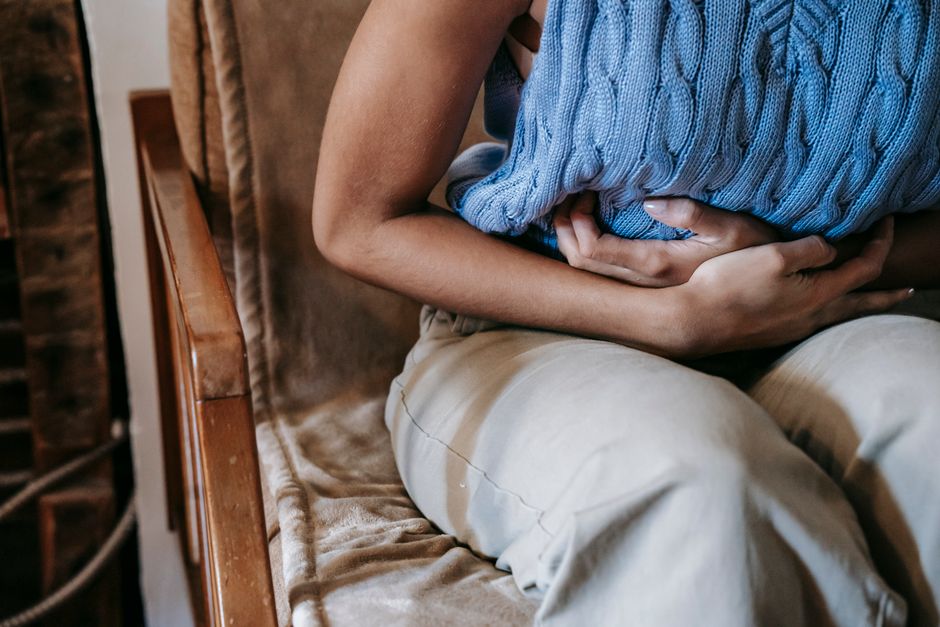
Bloating that lingers after your period ends is a common and frustrating experience. The quick answer is that your hormone levels are shifting back to baseline, and this transition can cause your body to retain fluid and slow digestion for a few extra days. For most people, this post-period bloating is a normal part of the menstrual cycle and typically resolves on its own within a few days.
What Causes Bloating After Your Period?
Bloating during your period is usually linked to high levels of progesterone, a hormone that peaks before your period begins. Progesterone slows down your digestive tract, which can lead to gas, constipation, and that heavy, full feeling.
When your period starts, hormone levels drop. But they don’t drop instantly. Estrogen and progesterone fall to their lowest point during the first few days of your period, and this sudden change can still affect how your body handles water and salt.
This shift can cause your kidneys to hold onto sodium. When your body retains sodium, it retains water. That water retention is often what you feel as bloating even after the bleeding has stopped.
How Long Does Post-Period Bloating Last?
Post-period bloating usually lasts anywhere from one to four days after your period ends. For many people, it resolves as estrogen levels begin to rise again in the days following menstruation.
Your body is working to flush out the extra fluid and get your digestive system back to its normal pace. This process is gradual, not instant.
If your bloating lasts longer than a week after your period ends, or if it is severe and painful, it is worth checking in with a healthcare provider. Persistent bloating can sometimes point to other issues, such as irritable bowel syndrome (IBS), endometriosis, or ovarian cysts.
Is It Water Retention or Digestive Sluggishness?
Both can happen at the same time, and both can make you feel bloated. Understanding which one is driving your symptoms can help you manage them more effectively.
Water retention happens because of changing hormone levels. Your body may hold onto extra fluid for a few days. You might notice swelling in your fingers, ankles, or face, along with your belly.
Digestive sluggishness happens because progesterone slows the movement of food through your intestines. Even after your period, it can take a few days for your gut motility to return to normal. Slower digestion means more gas buildup and a fuller feeling.
Some research suggests that estrogen can also affect how your body produces and releases gas. The exact interplay is complex, but the outcome is the same: your digestive system is temporarily off its usual rhythm.




Can What You Eat Make Post-Period Bloating Worse?
Yes. The foods you eat during and right after your period can either help or worsen bloating. High-sodium foods are a major contributor because they encourage your body to hold onto water.
Processed snacks, canned soups, deli meats, and fast food are all high in sodium. If you are already in a period of natural water retention, these foods can amplify the effect.
Foods that are high in fermentable carbohydrates, sometimes called FODMAPs, can also increase gas production. These include beans, lentils, onions, garlic, and certain fruits like apples and pears. For some people, eating these foods while digestion is already slow can make bloating noticeably worse.
On the flip side, foods that are naturally high in potassium may help your body balance sodium and release excess water. Bananas, sweet potatoes, spinach, and avocados are good sources of potassium. Staying hydrated also helps your kidneys flush out extra sodium and fluid.
What Actually Helps Reduce Post-Period Bloating?
There is no single cure for post-period bloating, but several strategies can help your body return to normal faster. These are general health measures that support your natural recovery process.
Gentle movement can help. Walking, light yoga, or stretching can stimulate your digestive tract and encourage the movement of gas. Exercise also promotes circulation, which may help your body shift retained fluid.
Drinking plenty of water sounds counterintuitive when you feel puffy, but it helps. When you are well-hydrated, your kidneys are better able to excrete excess sodium and water. Aim for consistent fluid intake throughout the day rather than drinking large amounts all at once.
Eating smaller, more frequent meals can also ease the load on your digestive system. Large meals can stretch your stomach and increase the sensation of fullness. Smaller portions give your slower-than-usual gut an easier job.
Over-the-counter options exist, but evidence for them is limited. Simethicone products, like Gas-X, can help break up gas bubbles in the digestive tract. Diuretic herbal teas are not well-studied for this purpose, and some can interact with medications. If you choose to try an over-the-counter product, follow the label instructions and check with a pharmacist if you take other medications.
When Should You See a Doctor About Bloating?
Occasional bloating around your period is normal. But there are signs that your bloating deserves medical attention.
See a doctor if your bloating is severe enough to interfere with daily activities, if it is accompanied by significant pain, or if it does not resolve within a week after your period ends.
You should also seek medical advice if you notice any of the following alongside bloating:
- Unexplained weight gain that persists
- Changes in bowel habits that last more than a few weeks
- Blood in your stool
- Bloating that gets progressively worse over several cycles
- Pain during sex or pain that is not related to your period
These symptoms can indicate conditions like endometriosis, pelvic inflammatory disease, or gastrointestinal disorders. A healthcare provider can help determine the cause and recommend appropriate testing.
Is Post-Period Bloating Different From PMS Bloating?
Yes, though the underlying mechanisms overlap. PMS bloating typically occurs in the week before your period, driven by rising progesterone levels.
Post-period bloating happens after bleeding starts or after it ends. The hormonal picture is different. Estrogen and progesterone are at their lowest, and your body is adjusting to those low levels.
For some people, the bloating they feel pre-period is worse than post-period. For others, the opposite is true. The severity and timing can vary from cycle to cycle and from person to person.
Can Birth Control Affect Post-Period Bloating?
Hormonal birth control can change your bloating patterns, but the effect varies widely. Combined oral contraceptives contain synthetic estrogen and progesterone, and they work by keeping hormone levels steady.
Some people find that birth control reduces premenstrual bloating because it prevents the natural hormone surge. Others find that the progestin component of some contraceptives causes water retention.
If you are on hormonal birth control and notice persistent bloating, talk to your prescriber. A different formulation or a different method may change how your body responds. No single type of birth control is proven to be best for bloating, so this often comes down to individual trial.
Frequently Asked Questions
Why am I bloated after my period ends?
Your hormone levels are adjusting back to baseline after the drop in estrogen and progesterone, which can cause temporary water retention and slower digestion. This typically resolves within a few days as your body flushes extra fluid.
How long does bloating last after your period?
Most people experience post-period bloating for one to four days after bleeding stops. If it lasts more than a week or is severe, it is worth discussing with a healthcare provider.
Can drinking more water help with post-period bloating?
Yes, staying well-hydrated helps your kidneys excrete excess sodium and water, which can reduce bloating. Drinking water does not cause more retention when your hormone levels are returning to normal.
What foods should I avoid after my period to reduce bloating?
High-sodium foods like processed snacks and canned soups can worsen water retention, so reducing these can help. Foods high in fermentable carbohydrates, such as beans and onions, may also increase gas if your digestion is still slow.
