
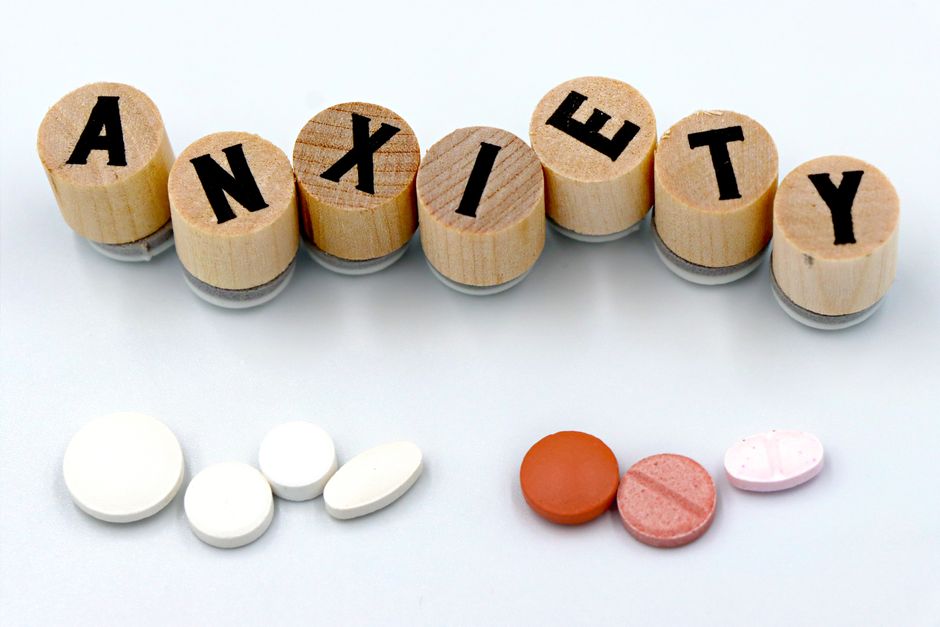
An anxiety attack is a sudden wave of intense fear or discomfort that peaks within minutes. Your body’s natural alarm system fires even though there is no real physical danger. Common triggers include stress, caffeine, lack of sleep, and specific situations that remind your brain of a past threat. Understanding why your brain reacts this way is the first step toward managing it.
What Exactly Happens in Your Body During an Anxiety Attack?
Your nervous system has two main settings: calm and alert. The alert setting is controlled by the sympathetic nervous system. When it activates, your adrenal glands release hormones like adrenaline and cortisol. These hormones increase your heart rate, quicken your breathing, and redirect blood flow to your muscles. This is the fight-or-flight response. It prepares you to run from danger or fight it off.
During an anxiety attack, this system fires without a real threat. Your brain perceives danger based on thoughts, memories, or physical sensations. The response is real, even if the trigger is not physically dangerous. Your chest may tighten. Your hands may tingle. You may feel dizzy or feel like you cannot catch your breath. These symptoms feel alarming, which can make the attack worse. This creates a feedback loop where fear of the symptoms fuels more symptoms.
Why Am I Having Anxiety Attacks Causes Triggers
Anxiety attacks rarely have a single cause. Most people experience them due to a combination of factors. Genetics play a role. If a close family member has an anxiety disorder, your risk is higher. Brain chemistry also matters. Neurotransmitters like serotonin and gamma-aminobutyric acid help regulate mood and fear. When these systems are out of balance, your brain may overreact to mild stress.
Life experiences shape your threat detection system. People who experienced trauma, especially in childhood, often have a more sensitive alarm system. Their brains learned to expect danger. This does not mean you are broken. It means your brain adapted to a difficult environment. That adaptation no longer serves you, but it explains why your reactions feel so intense.
Chronic stress is a major contributor. When you are under constant pressure at work or home, your stress response stays partially activated. Your body never fully returns to a calm state. This makes it easier for a small trigger to push you over the edge. It is like a pot of water already at a simmer. One extra degree of heat causes it to boil over.
What Are the Most Common Situational Triggers?
Certain situations commonly trigger anxiety attacks. Public speaking is one of the most frequent. The fear of being judged activates the same brain regions as physical danger. Crowded spaces can also trigger attacks. Large groups mean less personal space and more sensory input. For some people, this feels overwhelming.
Specific phobias are another common trigger. Flying, heights, needles, spiders, and enclosed spaces can all cause panic. The trigger is specific and predictable. You know what causes it, but avoiding it may not be practical. Driving on highways is another trigger for some people. The combination of speed, limited escape routes, and responsibility for the vehicle creates a sense of being trapped.
Interpersonal conflict triggers anxiety for many people. Arguments with a partner, criticism from a boss, or even a tense email can activate the alarm system. If you grew up in a home where conflict was dangerous, your brain may associate disagreement with threat. This is a learned response. It can be unlearned with practice and often with professional support.


How Do Lifestyle Factors Contribute to Anxiety Attacks?
Caffeine is a well-documented trigger. It blocks adenosine, a chemical that promotes sleep and calm. It also increases adrenaline. For sensitive individuals, one cup of coffee can trigger a full anxiety attack. Alcohol can also contribute. It may temporarily reduce anxiety, but as it wears off, rebound anxiety can occur. This can be worse than the original feeling.
Sleep deprivation lowers your threshold for anxiety. When you are tired, your prefrontal cortex is less active. This is the part of the brain that helps you reason and calm down. Without it, your amygdala, the fear center, runs unchecked. Even one night of poor sleep can make you more reactive the next day.
Blood sugar fluctuations play a role. When your blood sugar drops, your body releases adrenaline to mobilize stored glucose. This can feel like anxiety. Skipping meals or eating high-sugar foods that cause rapid spikes and crashes can make you more prone to attacks. Regular balanced meals help keep your blood sugar stable.
Hormonal changes are a factor for many women. The drop in estrogen and progesterone before menstruation can increase anxiety sensitivity. Perimenopause and menopause also bring hormonal shifts that can trigger new or worsening anxiety. Postpartum hormone changes are another period of vulnerability. These are biological changes, not signs of personal weakness.
What Medical Conditions Can Mimic Anxiety Attacks?
Several medical conditions produce symptoms that feel like anxiety attacks. An overactive thyroid, called hyperthyroidism, can cause a rapid heart rate, sweating, and trembling. These symptoms are identical to a panic attack. A doctor can check thyroid function with a simple blood test.
Heart conditions can also mimic anxiety. Arrhythmias, or irregular heartbeats, may cause palpitations and shortness of breath. Low blood sugar, called hypoglycemia, can cause shakiness, confusion, and a racing heart. Asthma or other breathing conditions can cause chest tightness and air hunger.
If you are experiencing anxiety attacks for the first time, or if they feel different from before, see a healthcare provider. They can rule out medical causes before you assume it is purely psychological. This is not about dismissing your experience. It is about making sure you get the right treatment. Treating an underlying thyroid issue will not help if your anxiety is the real problem, and treating anxiety will not help if your thyroid is the cause.
How Can You Calm an Anxiety Attack When It Starts?
Grounding techniques can interrupt the panic cycle. The 5-4-3-2-1 method is simple. Name five things you can see, four things you can touch, three things you can hear, two things you can smell, and one thing you can taste. This forces your brain to process sensory information from the present moment instead of the perceived threat.
Slow breathing is effective when done correctly. Exhale longer than you inhale. This activates the parasympathetic nervous system, which is the calm setting. Try inhaling for four counts and exhaling for six or eight counts. Do this for several minutes. The longer exhale sends a signal to your brain that you are safe.
Cold water can help. Splash cold water on your face or hold an ice cube in your hand. Cold activates the dive reflex, which slows your heart rate. This is a biological response that happens automatically. It is not a distraction technique. It is a direct physiological intervention.
Movement can burn off excess adrenaline. Walk around the room. Do ten jumping jacks. Shake out your arms and legs. Your body produced adrenaline for action. Giving it that action helps your system return to baseline faster.
When Should You Seek Professional Help?
Occasional anxiety attacks are distressing but common. If they happen more than once a week, interfere with your daily life, or cause you to avoid situations, professional help is warranted. You do not need to hit rock bottom to get support. Early intervention prevents the problem from getting worse.
Cognitive behavioral therapy is one of the most effective treatments. It helps you identify the thoughts that trigger your fear response and test whether those thoughts are accurate. Over time, your brain learns that the situation is not actually dangerous. This is called exposure and response prevention. It is not about forcing yourself into terror. It is about gradual, manageable steps.
Medication is another option. Selective serotonin reuptake inhibitors are commonly prescribed for anxiety disorders. They are not fast-acting. They typically take several weeks to work. They are not addictive in the way that benzodiazepines are. Benzodiazepines like Xanax work quickly but carry a risk of dependence. They are generally prescribed for short-term use.
Frequently Asked Questions
Can anxiety attacks happen for no reason?
Anxiety attacks can feel like they come out of nowhere, but there is usually a trigger. It may be subtle, like a physical sensation or an unconscious memory that you do not consciously notice.
How long does an anxiety attack last?
Most anxiety attacks peak within 10 minutes and resolve within 20 to 30 minutes. Some people experience a lingering sense of unease for hours afterward.
What is the difference between an anxiety attack and a panic attack?
The terms are often used interchangeably, but in clinical settings panic attacks are the formal diagnosis. Anxiety attacks are not a recognized medical term, though people use it to describe the same experience.
Can dehydration cause anxiety attacks?
Dehydration can cause physical symptoms like a racing heart and dizziness that mimic anxiety. Severe dehydration can also increase cortisol levels, which may lower your threshold for an attack.
