
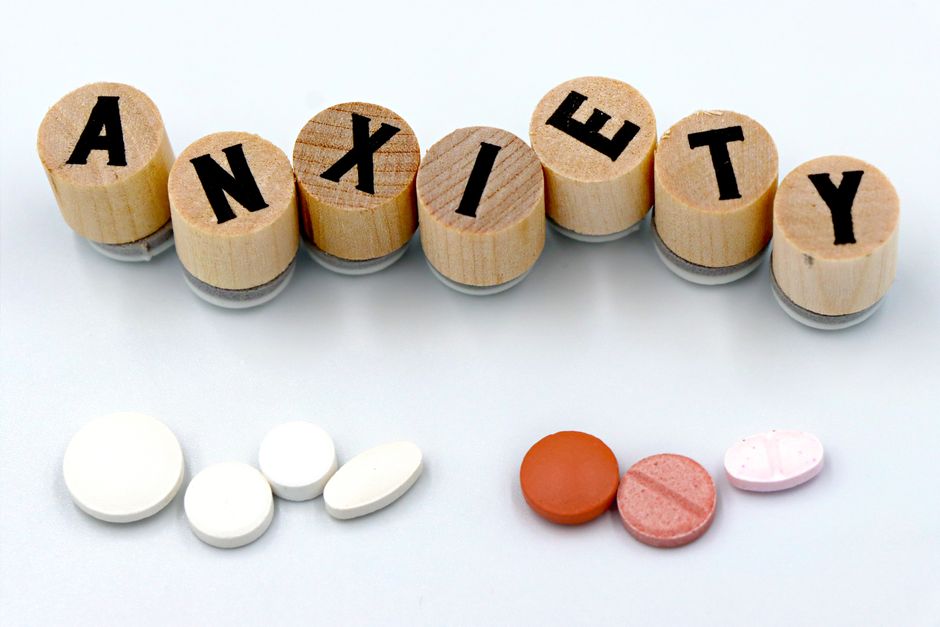
You cannot always stop an anxiety attack from starting, but you can lower how often they happen and how much they take over your life. The most effective approach combines two things: knowing your personal triggers and practicing techniques that calm your body’s stress response before it spirals. Avoiding triggers is not about never feeling anxious — it is about reducing unnecessary exposure, building tolerance, and having a plan ready when anxiety rises.
What Happens in Your Body During an Anxiety Attack?
An anxiety attack is a surge of intense fear that peaks within minutes. It triggers a cascade of physical symptoms: racing heart, shortness of breath, chest tightness, dizziness, sweating, trembling, and a feeling of losing control. These symptoms come from your body’s fight-or-flight response — the same system that would help you escape real danger.
The problem is that this system can activate when there is no actual threat. The amygdala, a small structure deep in the brain, signals the release of adrenaline and cortisol. Your heart rate climbs. Breathing becomes shallow. Blood flows to major muscles. Digestion slows. This is physiology, not weakness.
Understanding this matters because many people fear the physical sensations themselves. That fear — called anxiety sensitivity — can actually fuel more anxiety. When you know why your heart is pounding, the sensation becomes less terrifying. It is your body doing what bodies do under perceived threat.
What Are the Most Common Anxiety Attack Triggers?
Triggers fall into several broad categories. Some are external situations. Others are internal states. Many people have more than one.
- Caffeine and stimulants. Caffeine can mimic anxiety symptoms — rapid heartbeat, jitteriness, restlessness. If you are prone to anxiety attacks, even moderate amounts may push you closer to the edge.
- Sleep deprivation. Lack of sleep raises cortisol and reduces your ability to regulate emotions. One poor night can make the next day feel fragile.
- Stressful situations. Public speaking, conflict, crowded spaces, or anything that previously preceded an attack.
- Physical sensations. A rapid heartbeat from exercise, a hot flash, or even a brief dizzy spell can be misinterpreted as the start of an attack.
- Certain medications or substances. Some decongestants, thyroid medications, and recreational drugs can trigger or worsen anxiety.
- Skipping meals. Low blood sugar can produce symptoms that feel like anxiety — shakiness, irritability, lightheadedness.
- Alcohol withdrawal. Even a few hours after drinking, the rebound effect can raise anxiety.
Not everyone has the same triggers. Tracking your own patterns over a few weeks can reveal connections you might not notice otherwise. A simple note on your phone — what happened, how you felt, what you ate, how you slept — can be surprisingly useful.
How Can You Reduce Your Exposure to Triggers?
You cannot avoid every trigger, and trying to do so can make anxiety worse by shrinking your world. The goal is to reduce unnecessary exposure while building tolerance to the ones you cannot avoid.
Start with the basics. Get consistent sleep. Eat regular meals. Limit caffeine, or cut it out entirely for a few weeks and see if it makes a difference. Many people find that their “random” anxiety attacks were not random at all — they followed coffee, poor sleep, or skipped meals.
If certain situations reliably trigger attacks, do not simply avoid them forever. Avoidance teaches your brain that the situation is dangerous. Over time, that can lead to more avoidance and more anxiety. Instead, work with a therapist on gradual exposure — approaching feared situations in small, manageable steps.
Some triggers are internal. If noticing your heartbeat sends you into a spiral, a technique called interoceptive exposure can help. It involves deliberately bringing on the physical sensation — like spinning in a chair or breathing through a straw — in a safe setting, so your brain learns the sensation itself is not dangerous. This is a standard component of cognitive behavioral therapy for panic.




What Techniques Help Stop an Anxiety Attack in Its Tracks?
Once anxiety starts rising, the goal is to interrupt the cycle before it peaks. Different techniques work for different people, and the best one is the one you have practiced enough to use under stress.
Slow breathing. When you are anxious, you tend to breathe faster and shallower. Deliberately slowing your breath — especially making the exhale longer than the inhale — can activate the parasympathetic nervous system, which calms the stress response. A common pattern is inhale for a count of four, hold for four, exhale for six. The exact numbers matter less than the rhythm.
Grounding. This means bringing your attention to the present moment through your senses. Name five things you can see, four you can touch, three you can hear, two you can smell, one you can taste. It sounds simple, but it interrupts the mental loop that feeds panic.
Cognitive reframing. Anxiety attacks feel dangerous, but they are not. Remind yourself: “This is uncomfortable, not dangerous. It will pass.” This is not positive thinking — it is accurate thinking. A panic attack, while deeply unpleasant, does not cause a heart attack or make you lose control.
Physical movement. Sometimes pacing, shaking out your hands, or splashing cold water on your face can help discharge the adrenaline surge. Cold water on the face can trigger the dive reflex, which slows heart rate.
Medication as a tool. Some people use anti-anxiety medications for acute episodes. Benzodiazepines work quickly but carry risks of dependence and are generally intended for short-term or occasional use. SSRIs are used for longer-term management and take weeks to work. Decisions about medication should be made with a doctor or psychiatrist.
Can Therapy Prevent Anxiety Attacks Long-Term?
Yes. Cognitive behavioral therapy is the most studied psychological treatment for panic and anxiety. Research consistently shows it helps people reduce the frequency and intensity of attacks. The core idea is that it is not the situation itself that causes panic — it is the interpretation of the situation and the physical sensations.
CBT teaches you to identify the thoughts that fuel anxiety, test whether they are accurate, and gradually face the situations you have been avoiding. Over time, your brain learns that the feared outcome does not happen.
Some people also benefit from acceptance and commitment therapy, which focuses on changing your relationship with anxious thoughts rather than trying to eliminate them. The evidence base for ACT is growing, though CBT remains the most established approach.
Medication and therapy are not either-or. Many people do best with both, at least for a period. If you are having regular anxiety attacks, talking to a mental health professional is worth the effort. You do not have to figure this out alone.
When Should You Seek Professional Help?
Occasional anxiety is normal. But if attacks are frequent, if you are avoiding things you used to do, or if anxiety is affecting your work, relationships, or sleep, that is a signal to get support.
Seek help promptly if you experience chest pain, especially with shortness of breath or pain radiating to your arm or jaw. These can be signs of a heart attack, not anxiety. Emergency departments see many people who assume they are having a panic attack when something else is going on. It is always better to get checked.
Also seek help if you are using alcohol or drugs to manage anxiety, if you feel hopeless, or if you have thoughts of harming yourself. These are signs that you need more support than self-help techniques can provide.
Anxiety disorders are among the most treatable mental health conditions. Most people who get appropriate treatment see meaningful improvement. That is not a guarantee, but it is a realistic expectation based on decades of clinical research.
Frequently Asked Questions
Can you prevent anxiety attacks completely?
Not always, but you can significantly reduce how often they happen. A combination of trigger management, coping techniques, and professional treatment gives most people meaningful control.
What is the fastest way to stop an anxiety attack?
Slow, deliberate breathing with a longer exhale is one of the quickest ways to calm your body’s stress response. Grounding techniques and reminding yourself the attack is not dangerous can also help shorten it.
Does caffeine make anxiety attacks worse?
For many people, yes. Caffeine can mimic and amplify anxiety symptoms like rapid heartbeat and jitteriness. Reducing or eliminating caffeine is a common first step for people prone to attacks.
Is it possible to have an anxiety attack while sleeping?
Yes. Nocturnal panic attacks can wake you from sleep, often during deep sleep stages. They are not caused by nightmares and can be particularly distressing because they seem to come from nowhere.
