
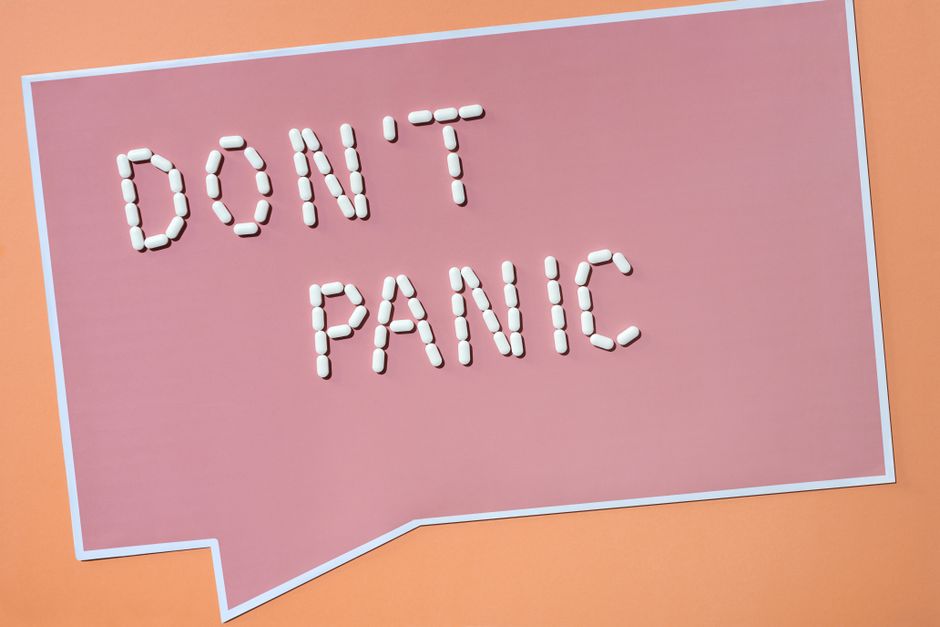
Yes, anxiety can cause panic attacks. Anxiety itself does not guarantee a panic attack will happen, but ongoing anxiety is one of the most common pathways to them. A panic attack is a sudden surge of intense fear that peaks within minutes, and it often arrives when a person is already living with a high level of background anxiety.
The two conditions are closely linked but not the same thing. Anxiety tends to build and linger. A panic attack hits fast and hard. Understanding how one can lead to the other helps you recognize what is happening and seek the right kind of help.
What Is the Difference Between Anxiety and a Panic Attack?
Anxiety is a state of worry or unease that can last for hours, days, or longer. It often centers on something specific, like a health concern, a social situation, or an upcoming event. The feeling builds gradually and can be managed or reasoned with, at least some of the time.
A panic attack is different in speed and intensity. It is an abrupt wave of overwhelming fear that reaches its peak within minutes. The physical symptoms are often severe enough that people believe they are having a heart attack or losing control. The attack usually passes, but the memory of it can be frightening for a long time afterward.
The key distinction is timing and intensity. Anxiety is a slow burn. A panic attack is a flash fire. Both involve the body’s stress response, but they play out very differently.
How Does Anxiety Lead to a Panic Attack?
Anxiety keeps the body’s alarm system switched on. When you are anxious for long periods, your nervous system stays in a heightened state. Your heart rate may be slightly elevated, your breathing may be shallow, and stress hormones remain in circulation.
This constant state of alertness lowers the threshold for a panic response. A small trigger, or sometimes no clear trigger at all, can push the system past its tipping point. The body interprets ordinary sensations, like a quickened heartbeat or a slight shortness of breath, as a sign of danger. That misinterpretation can spiral into a full panic attack.
This cycle is well documented in clinical research. The fear of the physical sensations feeds the sensations themselves. A person notices their heart racing, becomes afraid of it, and the fear makes the heart race faster. The loop tightens until it becomes a panic attack.
Anxiety Sensitivity
Some people are more tuned in to their body’s signals than others. Researchers call this anxiety sensitivity. It is the tendency to fear anxiety-related sensations because you believe they are harmful. High anxiety sensitivity is a known risk factor for developing panic attacks, especially in people who already have an anxiety disorder.
This does not mean the attacks are imagined. The physical symptoms are real. The body genuinely produces them. What changes is how the brain interprets them.
What Are the Signs and Symptoms of a Panic Attack?
A panic attack involves a specific set of symptoms that come on suddenly. The Diagnostic and Statistical Manual of Mental Disorders, known as the DSM-5, lists 13 possible symptoms. A panic attack is diagnosed when a person experiences at least four of them.
The most common signs include:
- A racing or pounding heart
- Sweating
- Trembling or shaking
- Shortness of breath or a feeling of being smothered
- Chest pain or discomfort
- Nausea or stomach upset
- Dizziness or lightheadedness
- Chills or heat sensations
- Numbness or tingling
- A feeling of unreality or being detached from yourself
- Fear of losing control or going crazy
- Fear of dying
These symptoms peak within minutes. That speed is one of the main things that separates a panic attack from ordinary anxiety. The intensity can be terrifying, but the attack itself is not dangerous to the heart or the body in a person with a healthy cardiovascular system.
That said, chest pain and shortness of breath can also signal a real medical emergency. If you are unsure whether your symptoms are from a panic attack or a heart problem, seek medical care. It is better to be evaluated and reassured than to assume.


When Should You Seek Professional Help?
You should consider talking to a doctor or mental health professional if panic attacks are affecting your daily life. This includes avoiding places or situations because you fear an attack, missing work or social events, or feeling constant worry about when the next attack will come.
Panic attacks can occur on their own or as part of a panic disorder. Panic disorder is diagnosed when a person has recurring, unexpected panic attacks and spends at least a month worrying about them or changing their behavior because of them. Anxiety disorders more broadly are among the most common mental health conditions in the United States.
There is no shame in seeking help. These conditions are treatable, and many people improve significantly with the right support. A primary care doctor can rule out medical causes and refer you to a mental health specialist if needed.
What Treatments Are Available for Panic Attacks and Anxiety?
Treatment for panic attacks and anxiety typically involves therapy, medication, or a combination of both. The evidence supporting these approaches is strong for many people, though no single treatment works for everyone.
Cognitive behavioral therapy, often called CBT, is one of the most studied treatments for panic disorder. It helps people identify the thought patterns that fuel panic and teaches them to respond differently to physical sensations. Research consistently shows CBT reduces panic attack frequency and severity for many patients. It is generally considered a first-line treatment.
Medications can also help. Selective serotonin reuptake inhibitors, or SSRIs, are commonly prescribed for panic disorder and anxiety. They take several weeks to work and are not a quick fix. Benzodiazepines can provide faster relief, but they carry a risk of dependence and are usually recommended only for short-term use. Any decision about medication should be made with a doctor who knows your full health history.
Some clinicians also recommend lifestyle changes such as regular physical activity, adequate sleep, and reducing caffeine. Caffeine is a known trigger for panic-like symptoms in some people because it stimulates the same systems involved in the fight-or-flight response. Limiting it may help reduce the frequency of attacks for some individuals, though the evidence here is not as strong as it is for therapy.
Can Panic Attacks Be Prevented?
You cannot always prevent a panic attack, but you can reduce how often they happen and how much they disrupt your life. The most reliable approach is treating the underlying anxiety with evidence-based care.
Learning to recognize early signs of rising anxiety can help. Breathing exercises, grounding techniques, and gradual exposure to feared situations are tools that many people find useful. These techniques are best learned with a trained therapist rather than from a book alone, especially if panic attacks are frequent or severe.
It also helps to understand what a panic attack actually is. Knowing that it is a surge of the body’s stress response, not a sign of imminent danger, can reduce the fear that feeds the cycle. That knowledge alone is not a cure, but it can be an important first step.
Frequently Asked Questions
Can anxiety alone cause a panic attack?
Yes, ongoing anxiety is one of the most common pathways to panic attacks. Anxiety keeps the body’s stress response active, which can lower the threshold for a sudden panic episode.
How long does a panic attack last?
Most panic attacks peak within minutes and begin to ease after about 10 to 20 minutes. Some symptoms can linger longer, but the most intense phase is usually brief.
Are panic attacks dangerous?
Panic attacks are not dangerous to the heart or body in a person with a healthy cardiovascular system. However, chest pain and shortness of breath can also signal a medical emergency, so seek care if you are unsure.
What is the best treatment for panic attacks?
Cognitive behavioral therapy is one of the most studied and effective treatments for panic disorder. Medication such as SSRIs can also help, and many people benefit from combining both.
