
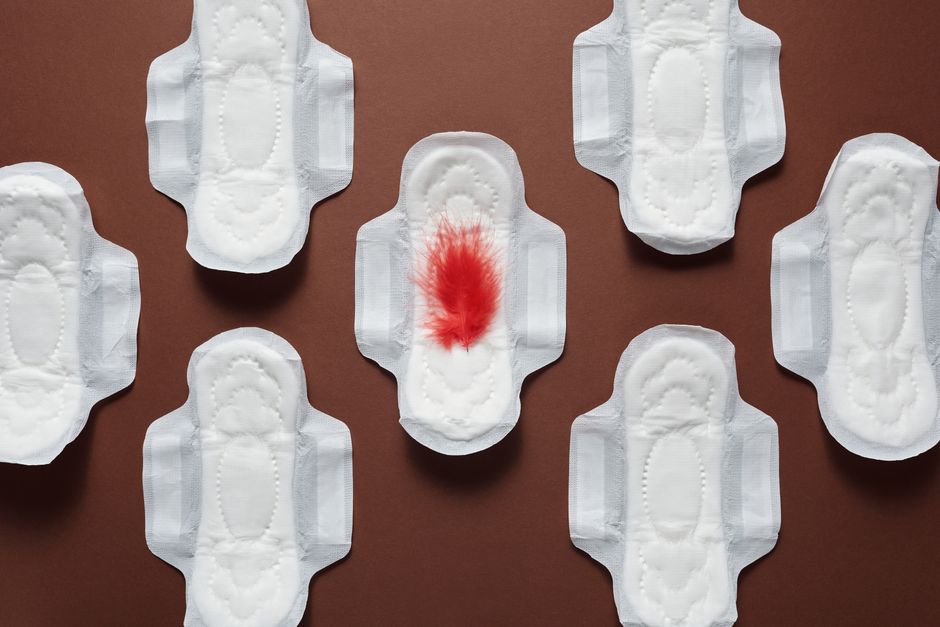
Brown discharge can be alarming, but in most cases it is completely normal. The brown color simply means the blood is old and has taken longer to leave your body. It is often nothing to worry about, but there are times when it signals a condition that needs a doctor’s attention.
Why Am I Getting Brown Discharge And Is It Normal?
Brown discharge is usually old blood mixing with your normal vaginal discharge. When blood takes extra time to exit the uterus, it oxidizes and turns brown. This is the same reason a bruise changes color as it heals.
For most women, brown discharge happens around their period or during ovulation. It is rarely a sign of something dangerous. However, the cause depends heavily on your age, whether you are pregnant, and where you are in your menstrual cycle.
What Causes Brown Discharge Before Your Period
Spotting a few days before your period is common. The uterine lining may begin shedding slightly before the main flow starts. This early blood moves slowly, giving it time to turn brown before it reaches your underwear.
Some women also experience brown discharge during ovulation, which happens about halfway through the cycle. This is often linked to a rapid drop in estrogen that causes light spotting. If the discharge is brief and painless, it is generally not a concern.
Hormonal birth control can also cause brown discharge. Pills, patches, and hormonal IUDs can all trigger breakthrough bleeding, especially in the first few months of use. If you miss a pill or take it late, you may see brown spotting as your hormone levels dip.
Brown Discharge and Pregnancy
If you are pregnant, brown discharge can be normal but deserves attention. Implantation bleeding happens about 6 to 12 days after conception when the fertilized egg attaches to the uterine lining. This is usually light, brief, and brown or pink.
Brown discharge in early pregnancy can also signal a threatened miscarriage or an ectopic pregnancy. Ectopic pregnancy occurs when the embryo implants outside the uterus, usually in a fallopian tube. This is a medical emergency. Seek immediate care if you have brown discharge along with sharp abdominal pain, shoulder pain, or dizziness.
In later pregnancy, brown discharge after sex or a pelvic exam is often harmless. The cervix is more sensitive during pregnancy and may bleed slightly. But brown discharge in the third trimester, especially with cramping or a change in baby movement, should be evaluated by your obstetrician.





Brown Discharge After Your Period
Seeing brown discharge after your period ends is common. The uterus often does not empty completely in the first few days. The remaining blood takes time to pass, turning brown as it leaves.
For some women, this is just a slow period. For others, it may be uterine fibroids or polyps. These are noncancerous growths that can cause prolonged or irregular bleeding. They are common and often need no treatment unless they cause discomfort or heavy bleeding.
Brown Discharge During Menopause Transition
Perimenopause is the years leading up to menopause, usually starting in a woman’s 40s. Hormone levels fluctuate wildly during this time. These swings can cause irregular cycles, skipped periods, and brown discharge between periods.
If you have gone a full year without a period, you are in menopause. Any vaginal bleeding after menopause requires a medical evaluation. Brown discharge after menopause can be a sign of vaginal atrophy, polyps, or in rare cases, endometrial cancer. Your doctor may recommend an ultrasound or biopsy to rule out serious conditions.
Infections That Cause Brown Discharge
Infections can cause brown discharge, but they usually come with other symptoms. Pelvic inflammatory disease (PID) is an infection of the reproductive organs, often caused by sexually transmitted bacteria. Besides brown discharge, PID can cause pelvic pain, fever, and pain during sex.
Sexually transmitted infections like chlamydia and gonorrhea can also cause abnormal bleeding and discharge. If you have recently had unprotected sex and notice brown discharge with an unusual odor or pelvic discomfort, get tested.
Bacterial vaginosis and yeast infections typically cause white or gray discharge, but they can occasionally mix with old blood and appear brown. These infections usually cause itching, burning, or a strong odor.
When Brown Discharge Signals Something Serious
Most brown discharge is harmless, but certain signs point to a problem. See a doctor if you have brown discharge along with any of these symptoms:
- Pain in your pelvis or lower abdomen
- Fever or chills
- Discharge with a strong, foul odor
- Heavy bleeding that soaks a pad or tampon every hour
- Brown discharge lasting more than a few weeks
Cervical cancer and uterine cancer can cause abnormal bleeding, but they are relatively rare. Routine Pap smears and pelvic exams catch most issues early. If you are due for a screening, brown discharge is a good reason to schedule one.
Tracking Your Cycle Helps Identify Patterns
Keeping a record of your discharge can help you and your doctor figure out what is normal for you. Note when it happens in your cycle, how long it lasts, and any other symptoms you notice. Patterns become clear after a few months of tracking.
Apps and paper calendars both work. The goal is to notice changes. If your brown discharge suddenly appears at a different time in your cycle or lasts longer than usual, that is worth mentioning to your healthcare provider.
When to See a Doctor
You do not need to rush to a doctor every time you see brown discharge. But you should make an appointment if the discharge is new, persistent, or accompanied by other symptoms. Women over 40 who experience any change in bleeding patterns should check in with their gynecologist.
Pregnant women should contact their obstetrician for any bleeding, even if it is light and brown. While it is often nothing, only a medical professional can rule out complications.
If you are unsure whether your brown discharge warrants a visit, call your doctor’s office. Nurses and medical staff can help you decide if you need to come in or if you can monitor at home.
Frequently Asked Questions
Can stress cause brown discharge?
Yes, stress can disrupt your hormone levels and cause spotting between periods. This is usually temporary and resolves once your stress levels return to normal.
How many days of brown discharge is normal?
One to two days of brown discharge before or after your period is typical. If it lasts longer than a week or happens between periods regularly, see a doctor.
Is brown discharge a sign of pregnancy?
It can be, especially if it occurs about a week before your expected period. Implantation bleeding is light and brief, but a pregnancy test is the only reliable way to confirm.
Does brown discharge mean infection?
Not usually, but infections can cause it. If the discharge has a bad odor, causes itching, or comes with pelvic pain, get tested for an infection.
