

Excess ear wax can be annoying and sometimes affect your hearing. But what causes it? Genetics, aging, and the shape of your ear canal all play a role. Some people naturally produce more wax or have a different consistency that is more likely to build up. Others develop problems as they get older or because of how they clean their ears.
What exactly is ear wax and why do we have it?
Ear wax, also called cerumen, is a natural substance your ear canal produces. It traps dust, dirt, and small particles before they reach your eardrum. It also helps keep the skin of the ear canal moist and protected. Normally, ear wax slowly moves out of the ear on its own, carrying debris with it. You don’t usually have to do anything to remove it.
The two main types of ear wax are wet and dry. Wet wax is sticky and brownish. Dry wax is flaky and gray. Which type you have is largely determined by your genes.
What causes excess ear wax: genetics, age, and more
Excess ear wax can result from a combination of factors. Genetics influences both how much wax you produce and its consistency. If you have the wet type, the wax may be stickier and more likely to clump. Age also matters. As you get older, ear wax often becomes drier and harder, making it harder for the ear to push it out naturally.
Other contributors include skin conditions, narrow ear canals, and the use of hearing aids or earbuds. Over‑cleaning with cotton swabs is another common cause—it often pushes wax deeper rather than removing it. The key is that many people who produce normal amounts of wax can still develop blockages due to these other factors.
How does your ear canal shape affect wax buildup?
Some people are born with ear canals that are naturally narrow or have sharp bends. This anatomy makes it physically harder for wax to migrate out of the ear. If your ear canal is narrower than average, you are more likely to have wax accumulate even if your production is normal. Hairy ear canals can also trap wax more easily.
In some cases, a condition called exostosis (surfer’s ear) causes bone growth in the ear canal from repeated exposure to cold water or wind. This narrows the canal further and can lead to wax buildup. If you have a narrow or irregularly shaped ear canal, you may need professional cleaning more often.




Can skin conditions cause more ear wax?
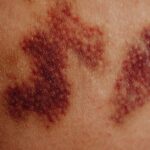
Chronic skin conditions that affect the ear canal can disrupt normal wax production and movement. Eczema, psoriasis, and seborrheic dermatitis are common examples. These conditions cause flaking, inflammation, and sometimes excess shedding of skin cells inside the canal. When skin cells mix with wax, they can form a dense plug that is hard to remove.
People with these conditions may produce a normal amount of wax, but the added skin debris can still lead to blockages. Treating the underlying skin condition often helps reduce wax buildup. If you have dry or itchy skin inside your ears, talk to a healthcare provider rather than trying to treat it yourself.
Do hearing aids and earbuds contribute to excess wax?
Hearing aids, earbuds, and earplugs can all increase the risk of wax buildup. These devices physically block the ear canal, which prevents wax from naturally moving outward. They also stimulate the skin of the ear canal, sometimes causing it to produce more wax as a protective response.
If you wear hearing aids or earbuds for many hours each day, you may notice more wax accumulating. Regular cleaning of the devices and periodic ear checks with your audiologist can help manage this. Some people need to have their ears professionally cleaned every few months to keep the canal open and the devices working properly.
Is over‑cleaning a cause of ear wax problems?
Yes. Many people try to clean their ears with cotton swabs, hairpins, or other objects. This often pushes wax deeper into the ear canal instead of removing it. Over time, the wax compacts against the eardrum and becomes hard to remove. This is the most common cause of impacted ear wax in adults.
Your ear has a self‑cleaning mechanism. Poking objects into the ear interrupts this process and can also damage the delicate skin of the canal, leading to infection or bleeding. The safest approach is to clean only the outer part of your ear with a washcloth. If you suspect a blockage, see a healthcare provider.
When should you see a doctor about ear wax?
You should see a healthcare provider if you have hearing loss, ear pain, a feeling of fullness, ringing in the ear (tinnitus), or dizziness that you think might be related to ear wax. These symptoms can also be caused by other ear problems, so it’s important to get a proper evaluation.
Do not try to remove impacted wax at home with ear candles or forceful irrigation. Ear candles have no proven benefit and can cause burns or injury. Professional removal methods—such as manual extraction with a curette or gentle suction—are safe and effective when done by a trained provider.
Frequently Asked Questions
Does ear wax increase with age?
Yes, ear wax often becomes drier and harder as you age, which makes it more likely to build up and cause blockages.
Can stress cause excess ear wax?
There is no strong evidence that stress directly increases ear wax production, but stress can worsen skin conditions like eczema that may lead to wax buildup.
Is it safe to use ear drops to soften wax?
Over‑the‑counter ear drops are generally safe for most people if you do not have a perforated eardrum or ear infection, but it is best to check with a healthcare provider first.
How often should I get my ears professionally cleaned?
Most people never need professional cleaning because ears clean themselves. If you have recurrent blockages, your provider can recommend a schedule based on your individual needs.
