
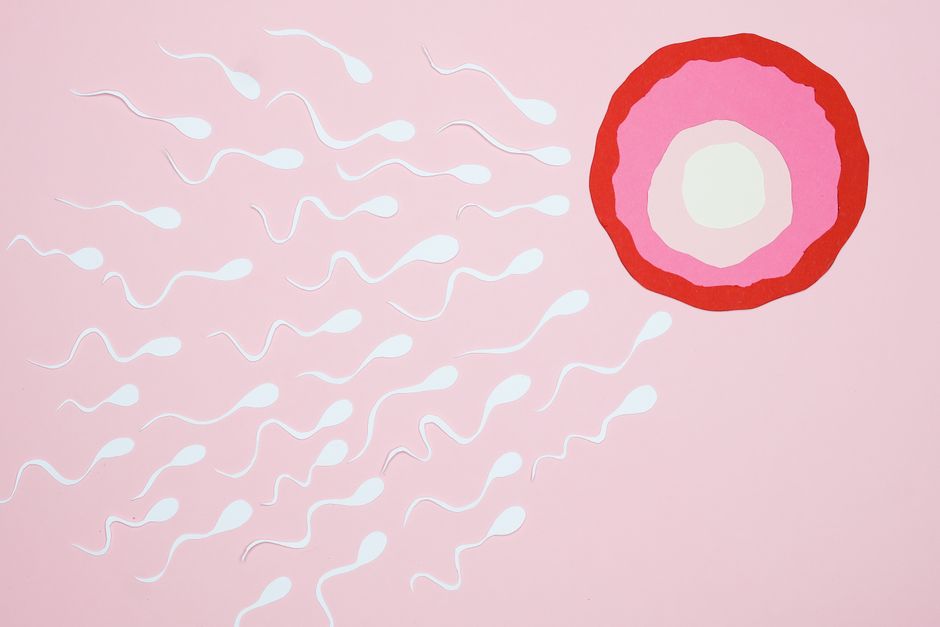
A healthy sperm count is defined by the World Health Organization as at least 15 million sperm per milliliter of semen. The total number of sperm in an ejaculate should be 39 million or more. But count is only part of the picture — sperm motility (movement) and morphology (shape) also matter for fertility.
What Is A Healthy Sperm Count Normal Ranges Explained?
The World Health Organization (WHO) sets the standard for normal sperm count. After analyzing thousands of fertile men, the WHO 5th edition (published in 2010) established these reference ranges:
| Parameter | Normal Range | Low (Below Reference) |
|---|---|---|
| Sperm concentration | ≥15 million per mL | <15 million per mL |
| Total sperm number | ≥39 million per ejaculate | <39 million per ejaculate |
| Total motility | ≥40% moving | <40% |
| Progressive motility | ≥32% swimming forward | <32% |
| Normal morphology (strict criteria) | ≥4% normal shapes | <4% |
A man can have a count above 15 million per mL and still have fertility problems if motility or shape is poor. Conversely, some men with counts below 15 million per mL can still conceive naturally. The ranges are guidelines, not absolute cut-offs.
How Is Sperm Count Measured?
Sperm count is measured through a semen analysis. You ejaculate into a sterile cup, usually after 2 to 5 days of abstinence. The sample is examined under a microscope within an hour.
The lab counts the number of sperm in a measured volume of semen and multiplies to get concentration. Total sperm count is concentration times volume. The analysis also checks motility and shape.
A single abnormal result does not mean you have a permanent problem. Sperm production fluctuates. Doctors typically repeat the test after a few weeks to confirm.
What Factors Can Lower Sperm Count?
Many things can reduce sperm count. Some are temporary and reversible. Others require medical attention.
Lifestyle factors with strong evidence:
- Smoking cigarettes — consistently linked to lower count and motility.
- Heavy alcohol use — more than 14 drinks per week is associated with lower sperm quality.
- Obesity — body mass index over 30 affects hormone levels that control sperm production.
- Heat exposure — frequent hot tubs, saunas, or tight underwear can temporarily raise scrotal temperature and reduce sperm count.
- Recreational drugs — marijuana, anabolic steroids, and opioids are linked to lower counts.
Medical conditions:
- Varicocele — enlarged veins in the scrotum that raise temperature. This is the most common cause of low sperm count in men who are evaluated.
- Infections — like epididymitis or sexually transmitted infections can block sperm transport.
- Hormonal imbalances — low testosterone, high prolactin, or thyroid disorders.
- Genetic conditions — such as Klinefelter syndrome or Y-chromosome microdeletions.
- Medications — some blood pressure drugs, antidepressants, and chemotherapy can lower production.
Stress and poor sleep are also linked to lower sperm quality, though the evidence is less strong than for smoking or obesity.




Can Sperm Count Change Over Time?
Yes. Sperm count naturally declines with age, but the change is gradual. Sperm production begins dropping slowly after age 35 and more noticeably after 45. However, many older men still produce enough sperm for fertility.
Illness can temporarily lower count. A fever above 102°F can disrupt sperm production for up to three months. The same is true for viral illnesses like the flu or COVID-19. Count usually returns to normal once you recover.
Seasonal changes also occur. Sperm count tends to be higher in winter and lower in summer, possibly due to temperature effects.
What Does a Low Sperm Count Mean for Fertility?
Low sperm count reduces the chance of pregnancy but does not mean you cannot father a child. Many couples conceive naturally even with counts below 15 million per mL. The number needed for one sperm to reach the egg is surprisingly small: only a few hundred make it to the fallopian tube.
If sperm count is very low — below 5 million per mL — the chance of natural conception drops significantly. In that case, assisted reproductive techniques like intrauterine insemination (IUI) or in vitro fertilization (IVF) with intracytoplasmic sperm injection (ICSI) can help.
Fertility also depends on the female partner’s age and health. The standard definition of infertility is not being able to conceive after one year of regular unprotected sex. If you have a low sperm count, you should not wait that long — see a doctor after six months of trying.
Can You Improve Sperm Count Naturally?
Some causes of low sperm count are reversible. Lifestyle changes are the first step, and evidence supports several approaches.
Lifestyle changes with good evidence:
- Quit smoking — count can improve within months after stopping.
- Limit alcohol — no more than 1-2 drinks per day.
- Lose weight if overweight — even 5% weight loss can improve hormone levels.
- Avoid heat — stop using hot tubs, saunas, and switch to loose cotton underwear.
- Exercise moderately — regular physical activity is linked to better sperm quality. But excessive endurance exercise may lower count.
Diet and supplements:
Research on specific nutrients is mixed. Some studies suggest that men with low sperm count often have low levels of zinc, selenium, and folate. However, taking these as supplements does not guarantee improvement unless you are deficient.
Antioxidants like CoQ10, vitamin C, vitamin E, and carnitine have shown modest benefits in some trials. A 2022 review in the Cochrane Database of Systematic Reviews found that antioxidant supplements may increase pregnancy rates, but the quality of evidence was low. The authors noted that many studies are small and poorly designed.
No supplement is proven to dramatically boost sperm count in every man. Eating a balanced diet with fruits, vegetables, nuts, and fish is a reasonable step, but do not expect a quick fix.
Sperm production takes about 64 days. Any intervention you start today will not show results in your semen analysis for two to three months.
When Should You See a Doctor About Sperm Count?
See a doctor if you and your partner have been trying to conceive for one year without success. If the woman is over 35, see a doctor after six months. Earlier evaluation is also reasonable if you have known risk factors — past testicular injury, chemotherapy, undescended testicle, or a family history of infertility.
Other reasons to see a doctor include: pain or swelling in the testicles, problems with ejaculation, low sex drive, or a previous diagnosis of a condition that affects fertility.
Your primary care doctor can order a semen analysis. If the results are abnormal, they may refer you to a urologist who specializes in male fertility. A full evaluation typically includes a physical exam, blood tests for hormones, and sometimes genetic testing or ultrasound.
Do not assume low sperm count is permanent. With proper medical evaluation, about half of cases have a treatable cause.
Frequently Asked Questions
Can a low sperm count be reversed?
Yes, if the cause is reversible — such as smoking, obesity, medication side effects, or heat exposure. Genetic conditions or blockages may not be reversible but can often be treated with medical procedures.
How long does it take to improve sperm count?
Sperm production takes about 64 days, so any improvement from lifestyle changes or supplements will appear in a semen analysis after two to three months.
Does wearing boxers versus briefs affect sperm count?
Some studies find that briefs, which hold the testicles closer to the body, slightly raise scrotal temperature and may lower sperm count. The effect is usually small and reversible by switching to boxers.
What is the fastest way to increase sperm count?
There is no fast fix. The quickest evidence-based step is to stop smoking and eliminate alcohol. Avoid heat exposure. Results will take at least two months.
