
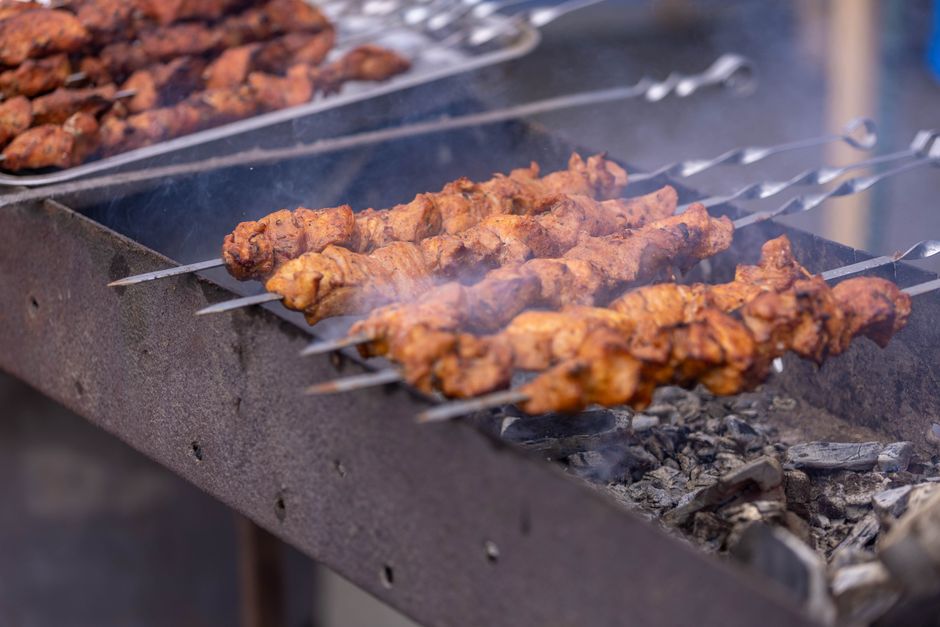
Craving red meat often points to a real physiological need, not just a habit. Your body may be signaling a shortfall in iron, protein, or vitamin B12. These cravings are common when your diet lacks these nutrients or when your body’s demand for them increases.
What Causes Sudden Cravings for Red Meat?
Sudden cravings for red meat usually have a biological basis. The body has complex systems that monitor nutrient levels. When iron stores dip or protein intake falls, these systems can trigger specific food desires.
Red meat is dense in exactly what those systems track: heme iron, complete protein, and B vitamins. Heme iron is the form your body absorbs most efficiently. It comes only from animal sources. When your body wants iron, it often wants the most bioavailable source.
Pregnancy is a classic trigger. Blood volume expands significantly, and the growing fetus draws iron from maternal stores. Many pregnant women report strong meat cravings, especially in the second and third trimesters. This aligns with increased iron requirements during this period.
Menstruation is another common cause. Monthly blood loss depletes iron stores. Women who have heavy periods are at higher risk for iron deficiency and often crave iron-rich foods.
Is a Craving for Red Meat a Sign of Iron Deficiency?
Not always, but it is a possibility worth taking seriously. Iron deficiency is the most common nutritional deficiency worldwide. Cravings for red meat can be one of its early signals.
Other signs of iron deficiency include fatigue, weakness, pale skin, shortness of breath, and dizziness. Cold hands and feet are also common. If you notice these symptoms alongside your meat cravings, it is reasonable to consider iron status.
The only way to confirm iron deficiency is a blood test. A complete blood count and serum ferritin test are the standard tools. Ferritin measures your body’s stored iron. Levels below 30 ng/mL are increasingly recognized as indicating deficiency, even when hemoglobin is still normal.
Do not start iron supplements without testing. Excess iron is harmful. Your body has no efficient way to eliminate extra iron. Supplementing without a confirmed deficiency can cause oxidative stress and damage organs over time.
How Does Protein Intake Affect Meat Cravings?
Protein is the most satiating macronutrient. When your diet lacks adequate protein, your body may push you toward protein-dense foods. Red meat is one of the most protein-concentrated options available.
A typical serving of cooked beef provides roughly 25 grams of protein. It contains all nine essential amino acids your body cannot make itself. This makes it a complete protein source.
If you follow a low-carb or high-activity lifestyle, protein needs increase. Athletes and people doing heavy physical labor often report stronger cravings for meat. Their bodies are breaking down and rebuilding muscle tissue constantly, and protein demand rises accordingly.
Vegetarians and vegans can also experience meat cravings. Plant proteins are often incomplete or less bioavailable. If a plant-based eater craves red meat, it may signal that their protein quality or quantity is insufficient.





What Nutrients in Red Meat Might Your Body Be Seeking?
Red meat delivers several nutrients beyond iron and protein. Understanding each one helps clarify what your body may actually need.
- Heme iron — absorbed 2-3 times better than non-heme iron from plants.
- Vitamin B12 — found only in animal products. Essential for nerve function and red blood cell formation.
- Zinc — supports immune function and wound healing. Red meat is one of the best dietary sources.
- Creatine — supports muscle energy production. Found naturally in meat.
- Carnitine — helps transport fatty acids into cells for energy.
B12 deficiency deserves special attention. It can cause neurological symptoms including numbness, tingling, balance problems, and cognitive changes. These symptoms may appear before anemia develops. If you crave red meat and have any neurological symptoms, B12 status is worth checking.
Zinc deficiency is less commonly discussed but real. It can affect taste perception, which may alter food preferences. Some research suggests zinc deficiency can change appetite in ways that increase desire for zinc-rich foods.
When Should You Be Concerned About Meat Cravings?
Most meat cravings are harmless and resolve when nutritional needs are met. But certain situations warrant medical attention.
Pica is a condition where people crave non-food items like ice, dirt, or clay. It is strongly associated with iron deficiency. Craving ice specifically, known as pagophagia, is a well-recognized sign of low iron stores. If you have both meat cravings and ice cravings, iron testing is wise.
Sudden changes in appetite that persist for weeks deserve evaluation. This is especially true if accompanied by unintentional weight loss, digestive changes, or fatigue. These symptoms can indicate conditions beyond simple nutritional deficiency.
Severe or unusual cravings during pregnancy should be discussed with your obstetric provider. Most pregnancy cravings are normal, but they can occasionally signal underlying deficiencies that need correction.
How to Address Red Meat Cravings Healthily
If cravings are driving you toward red meat at every meal, start with the basics. Assess your recent diet honestly.
Have you reduced meat intake recently? Started a new diet? Increased exercise? Any of these changes can trigger cravings. Simply understanding the trigger often reduces the intensity of the craving.
If you suspect iron deficiency, request blood work. Ask specifically for ferritin, not just hemoglobin. Hemoglobin can be normal while iron stores are already depleted. Ferritin catches the problem earlier.
If your iron is low, your doctor may recommend supplements or dietary changes. Iron supplements work well but can cause constipation and stomach upset. Taking them with vitamin C improves absorption. Taking them with calcium, tea, or coffee reduces absorption.
If your iron is normal, focus on protein adequacy. Spread protein across meals rather than eating it all at dinner. Aim for a protein source at breakfast, lunch, and dinner. This stabilizes amino acid levels throughout the day and may reduce cravings.
Choose quality red meat when you do eat it. Lean cuts like sirloin or round provide protein and iron with less saturated fat. Grass-fed and conventional beef have similar iron content, so the choice comes down to personal preference and budget.
Are There Alternatives If You Want to Reduce Red Meat Intake?
You can address the underlying nutrient needs without red meat. It just requires more deliberate planning.
For iron, combine plant sources with enhancers. Beans, lentils, tofu, and fortified cereals provide non-heme iron. Pair them with vitamin C-rich foods like citrus, tomatoes, or bell peppers. This can improve absorption significantly.
For protein, eggs, poultry, fish, and dairy are complete alternatives. For plant-based eaters, combining grains and legumes across the day provides all essential amino acids. Soy and quinoa are complete plant proteins on their own.
For B12, no reliable plant source exists. Fortified foods or supplements are necessary for strict vegans. This is not optional — B12 deficiency causes irreversible neurological damage if prolonged.
Some people find that satisfying the craving with a smaller portion of red meat works well. A 3-ounce serving a few times per week may be enough to maintain iron stores without eating meat daily. This approach honors the craving while keeping overall intake moderate.
Frequently Asked Questions
Why do I crave red meat when I am tired?
Fatigue is a primary symptom of iron deficiency, and red meat is the most efficient dietary iron source. Your body may be pushing you toward food that corrects the underlying deficiency causing your tiredness.
Can craving red meat mean I am pregnant?
It can, because pregnancy increases iron needs substantially and cravings are common. A missed period or other early pregnancy signs alongside meat cravings warrant a pregnancy test.
Do I need to take iron supplements if I crave red meat?
No, not without a blood test confirming deficiency. Iron supplements are safe only when deficiency is documented, since excess iron cannot be easily excreted and can be harmful.
How long after fixing an iron deficiency do meat cravings stop?
Cravings typically diminish within a few weeks once iron stores begin to replenish. Complete normalization of ferritin levels can take 3-6 months of consistent treatment.
