
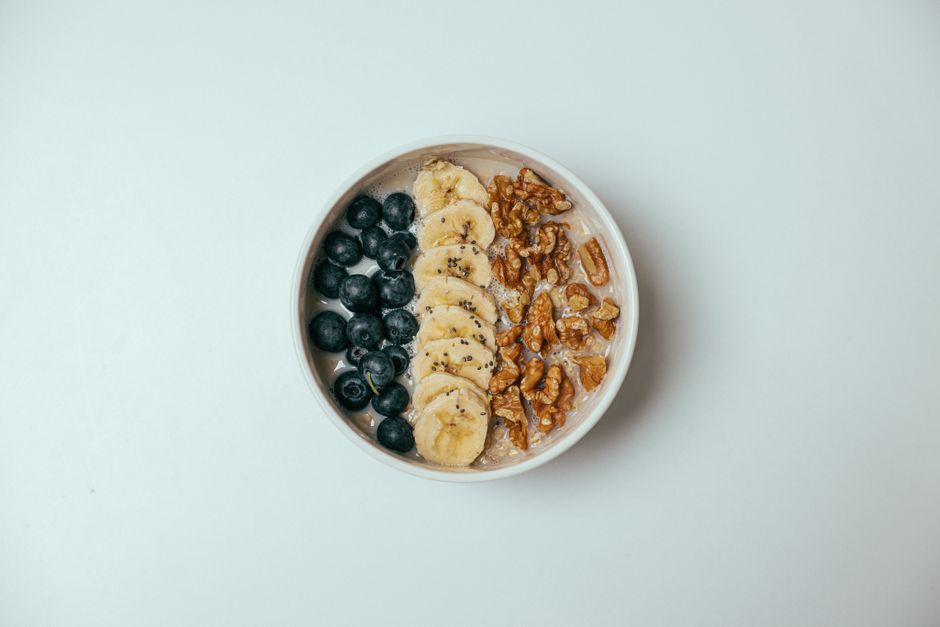
A medium banana contains about 1.3 grams of protein. That is a small amount compared to eggs, chicken, or beans, but bananas are not eaten for protein. They are primarily a source of carbohydrates, including natural sugars and fiber. If you are trying to meet a daily protein target, a banana will not move the needle much, but it can still be a useful part of a balanced diet.
How Much Protein Does Banana Contain by Size?
The protein in a banana depends on its size. Larger bananas have slightly more protein because they contain more total fruit matter.
- Extra small (under 6 inches): about 0.9 grams
- Small (6 to 7 inches): about 1.1 grams
- Medium (7 to 8 inches): about 1.3 grams
- Large (8 to 9 inches): about 1.5 grams
- Extra large (over 9 inches): about 1.6 grams
These figures are based on standard USDA food composition data. The differences are minor. Even a very large banana provides less than 2 grams of protein.
Banana Protein vs. Other Common Foods
To understand how little protein a banana provides, compare it to other everyday foods. A single large egg provides about 6 grams of protein. A 3-ounce serving of chicken breast provides roughly 26 grams. A cup of cooked lentils contains about 18 grams.
A banana provides a fraction of what these foods offer. However, bananas are rarely eaten alone as a protein source. They are usually paired with foods like peanut butter, yogurt, or nuts, which add meaningful protein to the snack or meal.
What a Banana Actually Provides Nutritionally
Bananas are mostly water and carbohydrates. A medium banana contains about 105 calories, 27 grams of carbohydrates, and 3 grams of fiber. The carbohydrate content includes about 14 grams of naturally occurring sugars.
Bananas are well known for their potassium content. A medium banana provides about 422 milligrams of potassium, which is roughly 9 percent of the daily value for most adults. They also contain vitamin B6, vitamin C, and magnesium in smaller amounts.
Protein makes up only a small fraction of the banana’s total weight. Most of the fruit is water and carbohydrate. This is why bananas are classified as a carbohydrate food rather than a protein food.
Does the Ripeness of the Banana Matter?
Ripeness changes the type of carbohydrates in a banana but not the protein content. A green banana has more resistant starch, which acts like fiber in the digestive system. As the banana ripens, that starch converts to simple sugars. The fruit becomes sweeter and easier to digest.
The protein level stays roughly the same throughout the ripening process. Whether you eat a green banana or a fully yellow one with brown spots, you are getting about the same amount of protein.
Can You Count Bananas Toward Your Daily Protein?
You can count any food’s protein toward your daily total, but bananas contribute very little. The average adult needs about 0.8 grams of protein per kilogram of body weight per day. For a 150-pound person, that is about 54 grams of protein daily. A single banana provides roughly 2 percent of that target.
Athletes and older adults often need more protein. Some research suggests that older adults may benefit from 1.0 to 1.2 grams per kilogram of body weight daily to help preserve muscle mass. For these groups, bananas are even less significant as a protein source.
If you enjoy bananas, keep eating them. Just do not rely on them to meet your protein needs. Pair them with higher-protein foods to create a more balanced snack.
Are There Other Fruits With More Protein?
Most fruits are low in protein, but a few contain more than bananas. Guava provides about 4.2 grams of protein per cup. Avocado provides about 3 grams per cup. Blackberries and raspberries each provide around 2 grams per cup.
Even these higher-protein fruits do not come close to animal products or legumes. No fruit is a meaningful protein source on its own. Fruits are valuable for vitamins, minerals, fiber, and antioxidants, not for protein.
Protein Myths About Bananas
Some online sources claim that bananas are a good source of protein. This is not supported by nutritional data. A banana contains less protein than almost any animal product and less than most legumes, nuts, and seeds.
Another common claim is that eating bananas before a workout provides protein for muscle repair. Bananas do help fuel exercise because of their carbohydrate content, but they do not supply meaningful protein for muscle recovery. You need actual protein sources after exercise to support muscle repair and growth.
Some claims suggest that banana peels are high in protein. The peel does contain some protein, but it is not commonly eaten and no standard dietary guidelines recommend consuming banana peels for nutrition.
How to Add Protein to a Banana Snack
Bananas pair well with many high-protein foods. These combinations turn a low-protein fruit into a more balanced snack.
- Peanut butter or almond butter adds about 4 grams of protein per tablespoon
- Greek yogurt adds about 15 grams of protein per 6-ounce serving
- Cottage cheese adds about 14 grams of protein per half-cup
- Protein powder can be blended with a banana in a smoothie
- Nuts add about 5 to 6 grams of protein per ounce
These pairings are common and practical. They do not require special recipes or unusual ingredients.
What About Banana Flour or Dried Bananas?
Dried bananas and banana flour have different protein concentrations than fresh bananas because water is removed. Dried banana chips contain about 2 grams of protein per ounce. Banana flour contains about 4 grams of protein per quarter-cup.
These amounts are still low compared to other foods. The higher numbers are simply because the water is gone, concentrating all nutrients. You would need to eat a large volume of dried bananas to get a meaningful amount of protein, and that would come with a high sugar load.
Bottom Line on Banana Protein
Bananas are not a protein food. A medium banana provides about 1.3 grams of protein, which is negligible for most dietary needs. Bananas are valuable for their carbohydrates, potassium, vitamin B6, and fiber. They are a convenient, affordable, and widely available fruit that can be part of a healthy diet.
If your goal is to increase protein intake, focus on eggs, dairy, meat, fish, legumes, nuts, and seeds. Use bananas as a carbohydrate source and a flavor booster, not as a protein source. The evidence is clear on this point, and no nutritional guideline treats bananas as a meaningful protein contributor.
Frequently Asked Questions
How many grams of protein are in a medium banana?
A medium banana contains about 1.3 grams of protein. This is a small amount compared to most other protein-containing foods.
Is a banana a good source of protein?
No, bananas are not a good source of protein. They are primarily a source of carbohydrates, with only about 1 gram of protein per fruit.
Which fruit has the most protein?
Guava is among the highest-protein fruits, with about 4 grams per cup. Even so, fruits in general are low in protein compared to animal products and legumes.
Can eating bananas help build muscle?
Bananas provide carbohydrates that can fuel workouts, but they do not supply enough protein to build muscle. You need adequate protein from other foods to support muscle growth.
