
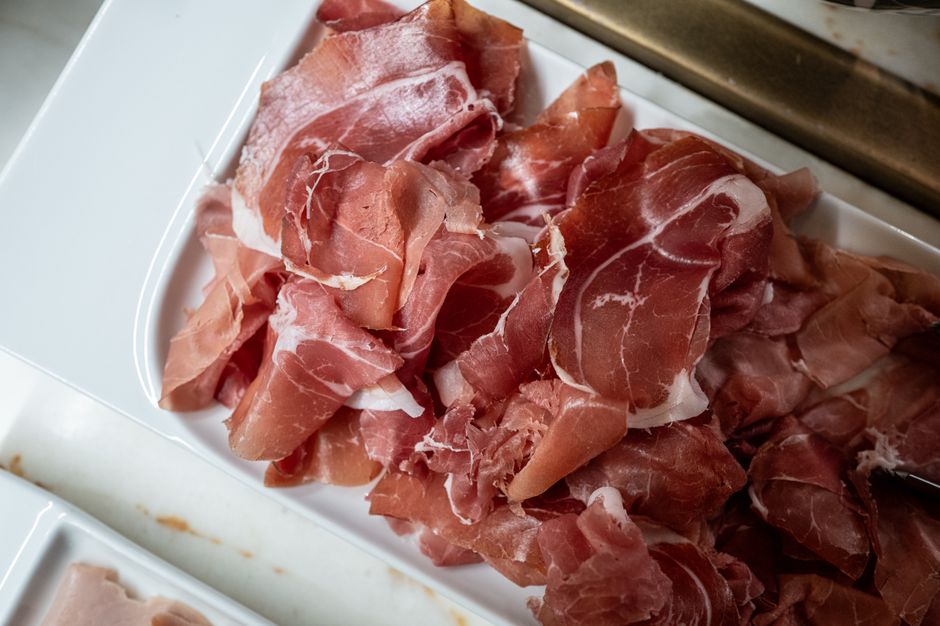
Deli meat is a convenient source of protein, but the amount varies widely by type. On average, a 2-ounce serving of sliced deli meat provides between 10 and 14 grams of protein. However, the exact number depends on the animal, the cut, and how the meat is processed. Turkey and chicken breast generally lead the pack, while ham and salami sit at the lower end of the range.
Why Protein Content Varies Between Deli Meats
Protein content in deli meat is tied directly to the muscle tissue and fat content of the original cut. Leaner cuts contain more protein per ounce because fat takes up space that would otherwise be muscle. This is why skinless turkey breast has more protein than mortadella, which is heavily marbled with fat.
Processing also plays a role. Some deli meats are “chunked and formed,” meaning they are bound together with other ingredients. These products often contain added water, starches, or fillers that dilute the protein. Always check the label for the protein-to-serving ratio rather than assuming the type alone tells you the answer.
Protein in Poultry Deli Meats: Turkey and Chicken
Turkey breast is the highest-protein deli meat commonly available. A standard 2-ounce serving of oven-roasted or smoked turkey breast delivers roughly 12 to 14 grams of protein. It is also one of the leanest options, with only about 1 to 2 grams of fat per serving.
Chicken breast deli meat is comparable. Most brands offer between 11 and 13 grams of protein per 2-ounce serving. The difference between turkey and chicken is small enough that either choice works well if your goal is maximizing protein while minimizing fat and calories.
One important distinction: “honey roasted” or “brown sugar” turkey varieties may contain added sugar. The protein content stays similar, but the carbohydrate count rises. If you are tracking macros closely, plain roasted or smoked versions are the cleaner choice.
Protein in Beef Deli Meats: Roast Beef and Corned Beef
Roast beef is a solid protein source. A 2-ounce serving typically provides 11 to 13 grams of protein. The exact amount depends on the cut and whether the manufacturer injected it with a broth solution to improve moisture. Some injected products have slightly lower protein per ounce because of the added liquid.
Corned beef is similar in protein but higher in fat and sodium. Expect about 10 to 12 grams of protein per 2-ounce serving. The brisket cut used for corned beef is naturally fattier than the round cuts often used for roast beef.
Pastrami, which is made from beef navel or round, comes in around 10 to 11 grams of protein per serving. The spice rub adds flavor but no meaningful protein or calories.



Protein in Pork Deli Meats: Ham, Bacon, and Salami
Ham is the most popular pork deli meat. A 2-ounce serving of regular sliced ham provides about 10 to 12 grams of protein. Leaner “96% fat-free” hams can reach 12 grams, while higher-fat or honey-glazed versions may drop closer to 9 grams.
Bacon is not typically a protein source. A single slice of cooked bacon contains only about 3 grams of protein. Even if you eat several slices, you are getting more fat and sodium than protein. It should not be counted as a primary protein source in a meal.
Salami and other dry-cured sausages are the lowest-protein deli options. A 2-ounce serving of hard salami offers 8 to 10 grams of protein, but it also delivers 15 to 20 grams of fat. The calorie cost per gram of protein is much higher than with turkey or roast beef.
How Much Protein In Deli Meat All Types Compared: A Quick Reference
The table below shows approximate protein values for common deli meats. These are based on standard nutrition data for 2-ounce servings. Individual brands may vary by 1 to 2 grams depending on added ingredients and preparation methods.
| Deli Meat Type | Protein per 2 oz (approx.) | Notes |
|---|---|---|
| Turkey breast (roasted) | 12–14 g | Highest protein, lowest fat |
| Chicken breast | 11–13 g | Comparable to turkey |
| Roast beef | 11–13 g | Check for added broth |
| Ham (lean) | 10–12 g | Honey-glazed has more sugar |
| Corned beef | 10–12 g | Higher in fat and sodium |
| Pastrami | 10–11 g | Spiced, similar to corned beef |
| Salami (hard) | 8–10 g | High fat, low protein density |
| Bacon (1 slice) | ~3 g | Not a meaningful protein source |
If you are choosing deli meat specifically for protein, turkey breast, chicken breast, and roast beef are the best options. They provide the highest protein per calorie and per gram of fat.
Reading Labels: What to Look For
Nutrition labels on deli meat list protein per serving, but serving sizes vary by brand. Some list 2 ounces, others list 56 grams, and some use slices. Always convert to the same unit before comparing products.
Check the ingredient list for added water, dextrose, or modified food starch. These ingredients lower the protein percentage of the product. A good rule of thumb: if the meat has more than 3 to 4 grams of carbohydrate per serving, it likely contains added sweeteners or fillers.
Sodium is another factor. Deli meats are among the highest-sodium foods in the American diet. A single 2-ounce serving can contain 400 to 700 milligrams of sodium. If you have high blood pressure or are watching salt intake, look for “lower sodium” or “no salt added” versions, though these still contain more sodium than fresh meat.
Does Processing Affect Protein Quality?
Protein quality refers to the amino acid profile and digestibility of the protein. Deli meat comes from animal muscle, which is a complete protein. That means it contains all nine essential amino acids your body cannot make on its own.
Processing does not meaningfully change the amino acid profile. The protein in a slice of deli turkey is just as complete as the protein in a freshly roasted turkey breast. The main difference is the added sodium, preservatives, and sometimes fillers.
One caveat: the World Health Organization has classified processed meats as a Group 1 carcinogen, meaning there is strong evidence linking regular consumption to colorectal cancer. This does not mean eating deli meat occasionally is dangerous. It means the evidence is consistent enough that health experts recommend limiting intake. If you eat deli meat daily, consider rotating in fresh meats like roasted chicken or canned tuna to reduce your exposure.
Practical Tips for Getting the Most Protein from Deli Meat
Choose sliced-to-order meats from the deli counter when possible. These are typically less processed than pre-packaged slices and have fewer additives. Ask for a thick cut if you want more substance per slice.
Pair deli meat with other protein sources to build a complete meal. A sandwich with 2 ounces of turkey (12 grams) and a slice of cheese (6 grams) on whole-grain bread (4 grams) gives you around 22 grams of protein total.
Weigh your meat if you are tracking intake closely. A “slice” of deli meat can vary significantly in thickness between brands and even between cuts from the same deli counter. A food scale removes the guesswork.
Frequently Asked Questions
Which deli meat has the most protein?
Roasted turkey breast has the most protein, with about 12 to 14 grams per 2-ounce serving. Chicken breast is close behind at 11 to 13 grams.
Is deli meat a good source of protein?
Yes, deli meat is a convenient and complete source of protein. However, it is also high in sodium and is classified as a processed meat, so it should not be the only protein source in your diet.
How many grams of protein are in a slice of deli turkey?
A typical slice of deli turkey weighs about 1 ounce and contains 6 to 7 grams of protein. Most sandwiches use 2 to 3 slices, providing 12 to 21 grams.
Is ham or turkey higher in protein?
Turkey is higher in protein and lower in fat than ham. A 2-ounce serving of turkey has 12 to 14 grams of protein, while the same amount of ham has 10 to 12 grams.
