
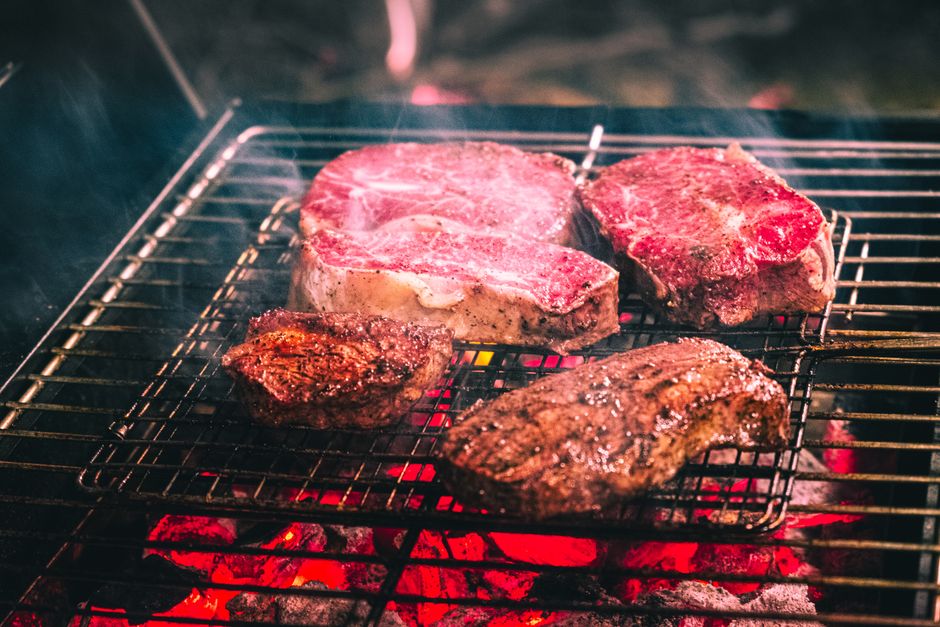
If you are looking to maximize protein per bite, the answer depends on how you measure it. By weight, lean meats like chicken breast, turkey breast, and lean cuts of beef and pork all deliver roughly 25 to 31 grams of protein per 100 grams of cooked meat. When ranked strictly by protein density, lean red meat and poultry are nearly tied, but the leanest cuts—like beef top round, chicken breast, and pork tenderloin—consistently top the list. The real differences show up when you compare cuts within the same animal, because fat content changes the protein-to-calorie ratio dramatically.
What Meat Has The Most Protein Ranked By Cut?
Ranking meat by protein content requires a consistent baseline. The most useful comparison is cooked meat per 100 grams, because raw weights include water that cooks off. Based on standard USDA nutrient data, here is how common cuts stack up.
- Beef top round (lean) — about 31 grams of protein per 100 grams cooked
- Chicken breast (skinless) — about 31 grams per 100 grams cooked
- Turkey breast (skinless) — about 30 grams per 100 grams cooked
- Pork tenderloin — about 29 grams per 100 grams cooked
- Beef sirloin — about 29 grams per 100 grams cooked
- Lamb leg (lean) — about 28 grams per 100 grams cooked
- Beef ribeye — about 24 grams per 100 grams cooked
- Chicken thigh (skinless) — about 24 grams per 100 grams cooked
- Pork shoulder — about 23 grams per 100 grams cooked
The pattern is simple. The leaner the cut, the higher the protein per gram. Fat displaces protein. A ribeye and a top round come from the same animal, but the ribeye’s marbling cuts its protein density by roughly 20 percent.
Why Lean Cuts Win On Protein Density
Protein is measured in grams, but what matters for most people is protein relative to calories. A 100-gram serving of cooked ribeye has about 290 calories and 24 grams of protein. The same serving of cooked top round has about 190 calories and 31 grams of protein. You get more protein and fewer calories from the leaner cut.
This is not a small difference. Over a week of daily meat servings, choosing lean cuts can mean an extra 40 to 50 grams of protein with several hundred fewer calories. For anyone tracking macros or trying to lose fat while preserving muscle, this distinction matters more than the difference between chicken and beef.
Fat is not inherently bad. Dietary fat is essential for hormone production and nutrient absorption. But if the goal is protein intake, fat is filler that dilutes the protein content of every bite.
Chicken Breast vs. Beef: Which Is Actually Higher?
Chicken breast and lean beef top round are effectively tied. Both deliver about 31 grams of protein per 100 grams cooked. The differences that do exist are minor and depend on the specific cut and how it is prepared.
Beef has more iron and zinc than chicken. Chicken breast has less saturated fat and fewer calories per gram of protein. Neither is meaningfully better for building muscle. Both are complete proteins, meaning they contain all nine essential amino acids your body cannot make on its own.
One practical difference: beef top round is tougher than chicken breast unless cooked properly. It benefits from marinating or slow cooking. Chicken breast dries out quickly if overcooked. The best choice is the one you will actually cook and eat regularly, because consistency drives results more than small differences in amino acid profiles.


Pork: The Underrated Protein Source
Pork tenderloin is one of the leanest cuts of meat available, yet it is often overlooked. A cooked pork tenderloin delivers about 29 grams of protein per 100 grams, with roughly the same fat content as skinless chicken breast. It is also one of the most affordable lean protein options in most US grocery stores.
Pork loin chops, when trimmed of visible fat, are nearly as lean as tenderloin. Pork shoulder and bacon are the opposite end of the spectrum. They are high in fat and lower in protein density. The cut matters more than the animal.
Old guidance about cooking pork until well done has changed. The USDA now recommends cooking whole cuts of pork to an internal temperature of 145°F, followed by a three-minute rest. This yields a juicier result without compromising safety.
How Cooking Method Changes Protein Content
Cooking does not destroy protein in any meaningful way. High heat for extended periods can slightly reduce the digestibility of some proteins, but under normal cooking conditions, the protein content remains essentially unchanged. What changes is the weight.
Meat loses water as it cooks. A 100-gram raw chicken breast shrinks to about 75 grams when cooked. This concentration means cooked meat always has more protein per gram than raw meat. It also means that if you weigh your food raw and track it as cooked, you will overestimate your protein intake.
Frying adds fat and calories without adding protein. Grilling, baking, roasting, and broiling add nothing. If you are tracking protein carefully, the cooking method matters less than how you weigh and log the portion.
What About Fish And Other Meats?
Fish is often left out of this conversation, but it belongs in it. Tuna and salmon are both excellent protein sources. Cooked yellowfin tuna delivers about 30 grams of protein per 100 grams, putting it in the same range as chicken breast and lean beef. Salmon is slightly lower at about 25 grams per 100 grams because it has more fat.
Shellfish are also protein-dense. Shrimp and scallops deliver about 24 grams per 100 grams cooked, with very few calories. They are not typically grouped with meat, but they match many cuts of beef and pork gram for gram.
Processed meats like deli turkey, sausages, and hot dogs are not comparable. They contain fillers, added water, and variable fat content. A deli turkey slice may claim high protein, but the actual protein per serving is often lower than whole cuts because of added ingredients.
Does Grass-Fed Or Organic Meat Have More Protein?
No. Grass-fed beef and organic chicken have essentially the same protein content as their conventional counterparts. The differences between grass-fed and grain-fed beef are in the fat profile, not the protein. Grass-fed beef tends to have slightly more omega-3 fatty acids and less total fat, which can marginally increase protein density, but the difference is small.
Organic labels are about how animals are raised and what they are fed, not about nutrient density. If you prefer grass-fed or organic meat for animal welfare, environmental, or taste reasons, that is a valid choice. But you are not buying more protein.
Some marketing claims suggest otherwise. No reliable evidence supports the idea that pasture-raised or organic meat contains meaningfully more protein than conventionally raised meat.
How Much Protein Do You Actually Need?
The Recommended Dietary Allowance for protein is 0.8 grams per kilogram of body weight per day. For a 150-pound person, that is about 54 grams daily. This is the minimum needed to prevent deficiency, not an optimal target for muscle building or athletic performance.
Research on muscle maintenance and growth generally suggests higher intakes. Many sports nutrition guidelines recommend 1.6 to 2.2 grams per kilogram of body weight for people actively training. For a 150-pound person, that is roughly 110 to 150 grams per day.
For most healthy adults, aiming for 20 to 40 grams of protein per meal is a practical target. A 4-ounce serving of cooked chicken breast, lean beef, or pork tenderloin provides roughly 30 to 35 grams, which covers most of a single meal’s protein needs.
Frequently Asked Questions
What meat has the most protein per 100 grams?
Lean beef top round and skinless chicken breast are tied at about 31 grams of protein per 100 grams cooked. Turkey breast and pork tenderloin are close behind at about 29 to 30 grams.
Is chicken or beef better for protein?
They are nearly identical when comparing lean cuts. Chicken breast and lean beef both provide about 31 grams of protein per 100 grams cooked, but beef has more iron and zinc while chicken has less saturated fat.
Does cooking meat reduce its protein?
No. Cooking does not destroy protein in meaningful amounts, but it does remove water, which concentrates the protein. Cooked meat always has more protein per gram than raw meat.
Why does fatty meat have less protein?
Fat displaces protein in meat. A fatty cut like ribeye has more calories from fat and therefore fewer grams of protein per 100 grams than a lean cut like top round from the same animal.
