
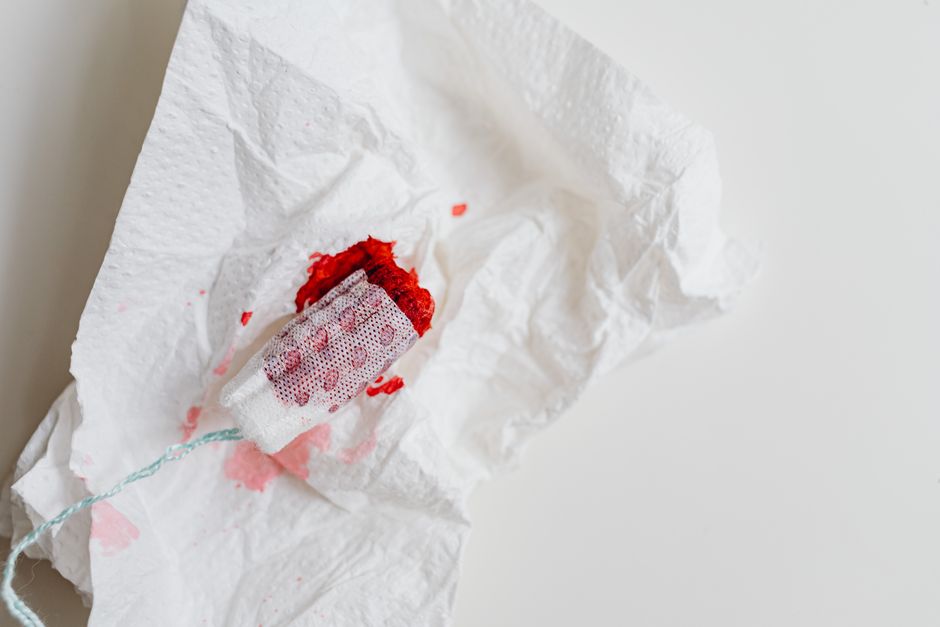
Noticing that your period is lighter than it used to be can be confusing, especially when you are used to a certain flow. The most common causes of a lighter period include natural hormonal shifts, aging, birth control, stress, and changes in weight. While a sudden change can feel alarming, a lighter flow is often a normal variation, but it can also signal an underlying condition that deserves a medical check-up.
What Counts as a Light Period?
Before worrying about the cause, it helps to define what a light period actually is. A normal period usually lasts between three and seven days, with a total blood loss of about 30 to 40 milliliters. That is roughly two to three tablespoons of blood over the entire period.
Clinically, a light period is called hypomenorrhea. This means the total blood loss is significantly less than 30 milliliters, or the number of bleeding days drops well below what is normal for you. If you are only seeing light spotting for one or two days, or if your usual heavy flow has turned into a few days of barely-there bleeding, that is a light period.
Keep in mind that “normal” varies from person to person. What matters most is a change from your own baseline. If your period has always been light, that is different from a period that suddenly becomes light after years of a heavier flow.
Why Am I Bleeding Less On My Period Common Causes: Hormonal Shifts
Hormones control the menstrual cycle. The lining of the uterus, called the endometrium, thickens each month in response to estrogen. If estrogen levels are lower than usual, the lining does not build up as much. When it sheds, there is simply less blood.
One of the most common hormonal reasons for a lighter period is perimenopause. This is the transition period before menopause, typically starting in a woman’s mid-to-late 40s. During perimenopause, estrogen levels fluctuate unpredictably. Some months you may have a heavy period, and other months you may have a very light one. This irregularity is a normal part of the transition, though it can last for several years.
Another hormonal cause is anovulation, which means you are not releasing an egg that month. Without ovulation, the body produces less progesterone. This can lead to a thinner uterine lining and a lighter period. Anovulation happens occasionally in most women, but it becomes more frequent as you approach menopause.
Thyroid disorders can also affect menstrual flow. Both an underactive thyroid and an overactive thyroid can change the amount of bleeding you have. If you notice other symptoms like fatigue, weight changes, or temperature intolerance, a thyroid check may be worthwhile.
Birth Control and Lighter Periods
Hormonal birth control is a deliberate and very common cause of lighter periods. The pill, the patch, the ring, and hormonal intrauterine devices (IUDs) all work partly by thinning the uterine lining. A thinner lining means less tissue to shed, so your period becomes lighter.
With the combined pill, you may notice your period is shorter and lighter within a few months of starting. This is expected and not a cause for concern. Some women choose to take the pill continuously to skip periods entirely, which is safe for most people.
Hormonal IUDs, such as the levonorgestrel-releasing IUD, are particularly known for reducing bleeding. Many women find their periods become very light or stop altogether after a year of use. This is a common and expected effect, not a sign of a problem.
If you recently started or changed birth control and your period became lighter, this is almost certainly the reason. The change can take a few cycles to settle, so give it at least three months before judging the effect.





Stress, Weight Changes, and Lifestyle Factors
Your brain and your ovaries communicate constantly. When your body is under physical or emotional stress, that communication can break down. High stress levels can suppress ovulation, which leads to a lighter period or even a missed period.
This is not a sign of weakness or a psychological issue. It is a physiological response. When your body perceives a threat — whether from work pressure, illness, or lack of sleep — it prioritizes survival over reproduction. The menstrual cycle slows down or pauses.
Weight changes have a similar effect. Adipose tissue, or body fat, produces estrogen. If you lose a significant amount of weight quickly, estrogen levels can drop, leading to a lighter period. This is common in athletes, dancers, and people with eating disorders.
On the other side, rapid weight gain can also disrupt the cycle. Excess body fat can lead to higher estrogen levels, but it often also disrupts ovulation. The result can be irregular, lighter, or heavier periods depending on the individual.
Extreme exercise is another factor. High-intensity training without adequate calorie intake can suppress the reproductive hormones. If you have recently increased your training volume and noticed a lighter period, this is a likely connection.
Structural Causes: Uterine and Cervical Issues
Sometimes the issue is not hormonal but physical. Conditions inside the uterus can affect how much lining builds up and how it sheds.
Asherman’s syndrome is a condition where scar tissue forms inside the uterine cavity. This commonly happens after a dilation and curettage (D&C) procedure, a cesarean section, or treatment for uterine fibroids. The scar tissue can reduce the surface area of the uterine lining, leading to very light periods or no periods at all. If you have had uterine surgery and then noticed a lighter period, this is worth discussing with a gynecologist.
Cervical stenosis is another structural cause. This occurs when the cervical opening narrows or closes, making it harder for blood to flow out. You may still have a normal amount of uterine lining shedding, but the blood cannot pass through easily. This can cause light spotting, cramping, or a feeling of pressure.
Uterine fibroids can also affect bleeding patterns, but they typically cause heavier bleeding, not lighter. However, the location of the fibroid matters. A fibroid that distorts the uterine cavity can sometimes disrupt the lining in a way that changes flow.
When a Lighter Period Signals Pregnancy
A lighter period can sometimes be a sign of pregnancy. Implantation bleeding occurs when a fertilized egg attaches to the uterine lining, typically about six to twelve days after conception. This bleeding is usually light pink or brown and lasts only a day or two.
Some women mistake implantation bleeding for a light period. If your period is unusually light and arrives a few days early, and you have been sexually active, a pregnancy test is a reasonable step.
It is also important to be aware of ectopic pregnancy, where the embryo implants outside the uterus, usually in the fallopian tube. This is a medical emergency. Symptoms include light vaginal bleeding, sharp abdominal pain, and dizziness. If you have these symptoms, seek emergency care immediately.
Medical Conditions That Cause Light Periods
Several medical conditions can reduce menstrual flow. Polycystic ovary syndrome (PCOS) is one of the most common. PCOS involves hormonal imbalances that often prevent regular ovulation. Many women with PCOS have infrequent periods, light periods, or skip periods entirely. Other signs include acne, excess facial hair, and weight gain.
Premature ovarian insufficiency is another condition. This occurs when the ovaries stop functioning normally before age 40. It is not the same as premature menopause, because some ovarian function may remain. Women with this condition often have irregular or lighter periods, along with symptoms similar to menopause like hot flashes and vaginal dryness.
Pituitary disorders can also affect the cycle. The pituitary gland produces hormones that signal the ovaries to work. If the pituitary is not functioning properly, the ovaries may not produce enough estrogen, leading to a lighter period.
What to Do If Your Period Is Lighter Than Usual
If you have one light period and then your cycle returns to normal, there is usually no cause for concern. These one-off changes happen to most women at some point.
If you have three or more consecutive light periods, or if the change is sudden and dramatic, it is worth seeing a doctor. A gynecologist can perform an ultrasound to check the uterine lining and look for structural issues. Blood tests can check hormone levels, thyroid function, and ovarian reserve.
Bring a record of your cycles to the appointment. Note the dates, duration, and approximate flow of your last few periods. This information helps the doctor identify patterns.
There is no home remedy that can reliably restore a normal period, because the cause needs to be identified first. If stress is the culprit, reducing stress may help. If birth control is the cause, the light period is expected and not a problem. If a medical condition is responsible, treatment will depend on the specific diagnosis.
Frequently Asked Questions
Can dehydration cause a lighter period?
Severe dehydration can affect overall body function, but there is no direct evidence that it causes a lighter period. If dehydration is accompanied by poor nutrition or significant stress, those factors are more likely to affect your cycle.
Is it normal to have a light period at 45?
Yes, this is common. As you approach menopause, estrogen levels fluctuate and periods often become lighter, heavier, or irregular. This is a normal part of the perimenopausal transition.
Can COVID-19 or a vaccine affect period flow?
Some research suggests temporary menstrual changes can occur after COVID-19 infection or vaccination. These changes are typically short-lived and resolve within a few cycles, but the exact mechanism is not fully understood.
Does a light period mean I am less fertile?
Not necessarily. A light period can indicate anovulation, which would affect fertility that month. However, many women with naturally light periods have no fertility issues at all. The cause of the light flow matters more than the flow itself.
