
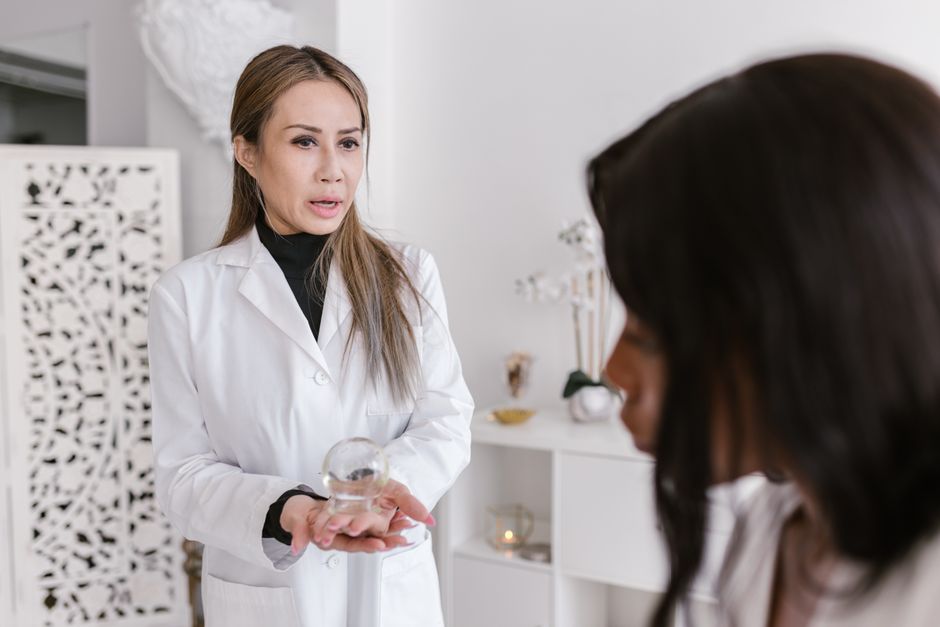
Cupping therapy involves placing heated cups or suction devices on your skin to create a vacuum. You can find providers at licensed acupuncturists, physical therapists, chiropractors, and medical spas. Costs typically range from $40 to $100 per session, though prices vary by location, practitioner type, and whether you add massage or other services.
What Exactly Happens During Cupping Therapy?
Cupping creates suction that lifts the skin and superficial muscle layer. The suction pulls blood to the surface, which is why you often see round, dark marks afterward. Those marks are not bruises from trauma. They are dilated blood vessels under the skin.
The therapist places glass, silicone, or plastic cups on your back, shoulders, legs, or other areas. Some methods use a flame to heat the air inside the cup before placing it on the skin. Others use a manual pump to create suction. The cups stay in place for about 5 to 15 minutes. Some practitioners slide the cups along the skin with oil, which is called moving cupping.
Dry cupping uses suction alone. Wet cupping, also called hijama, involves making small cuts in the skin before applying the cup to draw out a small amount of blood. Wet cupping is less common in Western clinical settings and carries higher infection risk.
What Does the Evidence Say About Cupping Therapy?
The research on cupping is mixed. Some studies suggest it may help with chronic neck and back pain. A 2018 analysis of multiple trials found that cupping reduced pain intensity compared to no treatment or standard care. But the quality of many studies is low, and sham cupping — where suction is minimal — also produces some effect. That makes it hard to separate the physical effect from the placebo effect.
Evidence for other conditions like fibromyalgia, migraine, and carpal tunnel syndrome is weaker. Some small trials show promise. No large, high-quality trials have confirmed these benefits.
Here is what the evidence does not show: cupping does not remove toxins from the body. That claim is common in marketing materials but has no scientific support. The dark marks are not toxins leaving your body. They are broken capillaries. The liver and kidneys handle toxin removal, not cupping.
Some research suggests cupping may increase local blood flow and activate pain-relieving pathways in the body. That mechanism is plausible but not fully proven. The honest position is that cupping appears helpful for some people with musculoskeletal pain, but the evidence base is not strong enough to call it a proven treatment.
Where Can You Get Cupping Therapy?
Cupping is offered by several types of practitioners. The best choice depends on your condition and your comfort level.
Licensed acupuncturists are the most common providers. Cupping is part of traditional Chinese medicine, and most acupuncture schools teach it. Many acupuncturists offer cupping as a standalone treatment or combined with acupuncture. In most states, licensed acupuncturists are legally allowed to perform cupping.
Physical therapists increasingly use cupping as part of a treatment plan for muscle pain and restricted movement. Some physical therapy clinics offer cupping alongside exercise, stretching, and manual therapy. This can be a good option if you want cupping combined with rehabilitation exercises.
Chiropractors sometimes offer cupping as part of spinal and joint adjustments. The suction can help relax muscles before a chiropractic adjustment.
Medical spas and massage clinics frequently advertise cupping. The training and experience of staff vary widely at these locations. Ask who will perform the treatment and what their certification is before booking.
Sports medicine clinics and some athletic training facilities offer cupping. Athletes sometimes use it for muscle recovery, though the evidence for recovery benefits is limited.




How Much Does Cupping Therapy Cost?
Sessions typically cost $40 to $100. Prices depend on several factors:
- Location — urban areas and coasts tend to cost more
- Practitioner type — physical therapists and medical spas often charge more than acupuncturists
- Session length — 30-minute sessions cost less than 60-minute sessions
- Combination treatments — adding massage, acupuncture, or other services raises the price
- Wet cupping — generally costs more than dry cupping due to the extra supplies and risk
Insurance rarely covers cupping. Some insurance plans cover acupuncture or physical therapy, and if cupping is part of that session, the cost may be partially covered. Check with your insurance company before your appointment. Ask specifically whether cupping is a covered service or whether it is billed as part of a covered treatment.
Many practitioners offer discounted packages. Buying a series of sessions in advance often reduces the per-session cost. Some community acupuncture clinics offer sliding-scale pricing.
What Qualifications Should You Look For in a Provider?
Cupping is not tightly regulated. In many states, anyone can call themselves a cupping therapist. That means you need to ask questions before booking.
Look for a provider who is licensed in a related field. A licensed acupuncturist, physical therapist, or chiropractor has formal training and a regulatory board to answer to. A massage therapist with a cupping certification from a weekend course has less training but may still be competent.
Ask these questions before your appointment:
- What is your license or certification?
- How many cupping sessions have you performed?
- Do you use sterile, single-use cups?
- How do you handle infection control?
- Have you treated people with my condition before?
For wet cupping, ask specifically about sterilization procedures. The skin is being broken, so infection risk is real. Single-use lancets and sterile gloves are standard requirements. If the practitioner cannot clearly explain their sterilization process, do not book the appointment.
Who Should Avoid Cupping Therapy?
Cupping is not safe for everyone. Certain conditions make the treatment risky.
Avoid cupping if you have:
- Bleeding disorders like hemophilia
- A history of deep vein thrombosis
- Skin conditions like eczema or psoriasis in the treatment area
- Sunburn or open wounds in the treatment area
- Severe anemia
Do not get cupping on areas with varicose veins, over areas of skin cancer, or directly over fractures. People taking blood thinners should speak with their doctor first. The suction increases blood flow to the surface, which can cause excessive bruising or bleeding in people on anticoagulant medication.
Pregnant women should avoid cupping on the abdomen and lower back. No clinical guidelines specifically address cupping during pregnancy, so the conservative approach is to avoid it entirely during the first trimester and consult an obstetrician before any later session.
If you have diabetes, heart disease, or a compromised immune system, talk to your doctor before trying cupping. These conditions can affect healing and infection risk.
What Side Effects and Risks Should You Know About?
The most common side effect is circular marks that look like bruises. These marks can last from a few days to a few weeks. They are not painful in most cases but can be unsightly. If you have an event coming up where you will show your back or shoulders, plan accordingly.
Other possible side effects include:
- Soreness in the treated area
- Dizziness or lightheadedness during or after treatment
- Skin infection, especially with wet cupping
- Scarring, especially with repeated wet cupping
- Burns from improperly heated glass cups
Serious complications are rare but documented. Case reports describe burns, skin infections, and anemia from excessive wet cupping. One case report described a patient who developed a skin infection requiring antibiotics after cupping. These are uncommon events, but they happen.
If you feel severe pain during the session, tell the practitioner immediately. Cupping should feel like tight suction, not sharp pain. The practitioner should be able to adjust or remove the cups.
How to Choose Between Cupping and Other Treatments
Cupping is one option among many for muscle pain and tension. Physical therapy, massage, acupuncture, and over-the-counter anti-inflammatory medications all have evidence behind them. Some have stronger evidence than cupping.
For chronic low back pain, physical therapy and exercise have the strongest evidence base. Massage therapy has moderate evidence for short-term pain relief. Acupuncture has moderate evidence for chronic pain. Cupping has the weakest evidence of these options but may still help some people.
Cupping is not a substitute for medical care. If you have unexplained pain, numbness, weakness, or other concerning symptoms, see a doctor first. Cupping should not delay diagnosis of a serious condition.
Frequently Asked Questions
Is cupping therapy covered by insurance?
Most insurance plans do not cover cupping as a standalone treatment. If cupping is part of an acupuncture or physical therapy session that your plan covers, it may be included.
How long do cupping marks last?
Cupping marks typically last 3 to 7 days, though they can persist for up to 3 weeks in some people. The marks fade as the broken capillaries are reabsorbed by your body.
Can I do cupping at home?
Home cupping kits are available online, but the risk of burns, bruising, and infection is higher without proper training. Professional guidance is safer, especially for your first sessions.
How many cupping sessions will I need?
Practitioners often recommend 4 to 6 sessions for chronic pain, but no clinical guidelines establish a standard treatment course. Some people feel relief after one session, while others need ongoing treatment.
