
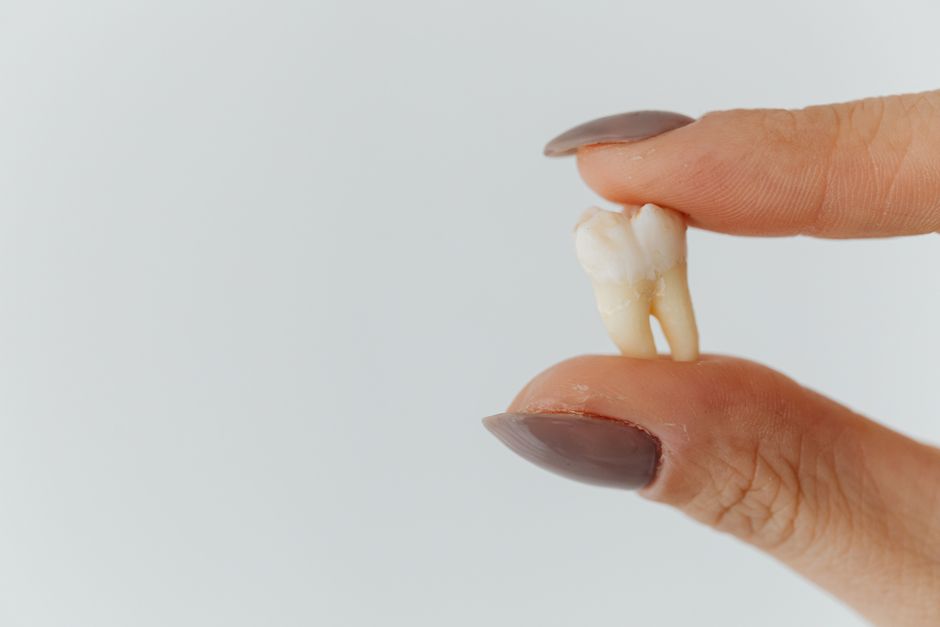
Tooth sensitivity is a sharp, sudden pain when something touches your teeth. It happens when the protective enamel wears down and exposes the inner layer of the tooth. The proven way to reduce sensitivity is to block the tiny tubes in that exposed layer and to strengthen the enamel you still have. You can do this with specific toothpastes, simple habit changes, and in-office dental treatments if the problem is severe.
What Actually Causes Tooth Sensitivity?
Your teeth look solid, but they are not sealed shut. Under the hard enamel is a softer layer called dentin. Dentin is full of microscopic tubes that run from the outside of the tooth to the nerve in the center.
When enamel thins or gum tissue recedes, those tubes become exposed. Hot, cold, sweet, or acidic foods can then stimulate the nerve inside the tooth. That stimulation is what you feel as a sudden zap of pain.
Several things cause this exposure. Brushing too hard with a stiff brush can wear away enamel over time. Acidic drinks like soda and citrus juice can soften and erode the surface. Gum recession from age or gum disease also leaves the root surface exposed, and roots have no enamel at all.
Some people also grind their teeth at night. This grinding can wear down the biting surfaces of the teeth. Cracks in teeth, recent dental work, and even some whitening treatments can also trigger temporary sensitivity.
How To Make Teeth Less Sensitive Proven Tips: Start With Your Toothpaste
Desensitizing toothpaste is the first line of defense, and it works. These toothpastes contain compounds like potassium nitrate or stannous fluoride. Potassium nitrate calms the nerve inside the tooth. Stannous fluoride blocks the open tubes in the dentin.
Use the toothpaste consistently. It is not a one-time fix. Most people need to use it for several weeks before they notice a real difference. Apply it like a regular toothpaste, but do not rinse your mouth with water immediately after spitting. Leaving a thin film on your teeth gives the active ingredients more time to work.
Some people also rub a small amount of desensitizing toothpaste directly onto the sensitive area with a clean finger. Leave it there for a minute before rinsing. This spot treatment can provide faster relief for a single sensitive spot.
If you want a natural option, some evidence suggests that toothpaste containing hydroxyapatite, a calcium phosphate compound, can also help. Hydroxyapatite is the same mineral that makes up your enamel. It can deposit into the open tubes and block them. Look for it on the ingredient list if you prefer to avoid fluoride.
Change Your Brushing Habits Before You Buy More Products
Your brushing technique may be causing the problem. Many people brush with too much force. This does not clean better. It just strips away enamel.
Switch to a soft-bristled toothbrush if you have not already. Medium and hard bristles are too abrasive for most people. Hold the brush at a 45-degree angle where the tooth meets the gum line. Use short, gentle, circular motions rather than sawing back and forth.
Do not brush immediately after eating or drinking something acidic. Acid softens the enamel temporarily. Brushing then can scrub that softened layer away. Wait at least 30 minutes after acidic foods or drinks before you brush.
Consider an electric toothbrush with a pressure sensor. Many models light up or stop vibrating when you press too hard. This gives you immediate feedback so you can correct your technique.



What To Eat And Drink For Less Sensitive Teeth
Your diet directly affects your enamel. Acid is the main enemy. Every time you consume something acidic, your enamel softens for a short period. If you keep repeating that all day, the enamel never gets a full chance to recover.
Limit soda, sports drinks, and fruit juice. These are highly acidic. When you do drink them, use a straw to reduce contact with your teeth. Do not sip them slowly over a long period. Finish them quickly and then rinse your mouth with plain water.
Water is the best drink for your teeth. It rinses away acid and food particles. It also helps maintain saliva flow, and saliva is your body’s natural defense against acid. Saliva neutralizes acid and carries minerals that repair early enamel damage.
Foods rich in calcium can help strengthen teeth. Dairy products, leafy greens, and almonds are good sources. Cheese is particularly helpful because it stimulates saliva and contains calcium and phosphate that can support enamel health.
Sugar-free gum can also help. Chewing it increases saliva production, which washes away acid. Look for gum with xylitol, which some research suggests may help reduce cavity-causing bacteria.
Professional Treatments For Stubborn Sensitivity
If at-home products do not work after a few weeks, see your dentist. They can apply stronger treatments that are not available over the counter.
Your dentist can apply a fluoride varnish to the sensitive areas. This is a concentrated fluoride coating that hardens the enamel and blocks the open tubes. It is quick, painless, and often provides relief within a few days.
Another option is a dental bonding agent. The dentist applies a resin material directly onto the exposed root surface. This physically covers the sensitive area and seals it off from outside stimuli.
For severe cases, your dentist might suggest a gum graft. This procedure takes tissue from another part of your mouth and attaches it to the receded gum area. It covers the exposed root and protects it. This is a surgical procedure and is usually reserved for significant gum recession.
If you grind your teeth, ask about a custom night guard. This plastic appliance fits over your teeth while you sleep and prevents the grinding force from wearing down your enamel. It will not fix existing sensitivity, but it stops further damage.
When Tooth Sensitivity Signals A Bigger Problem
Not all tooth pain is sensitivity. See your dentist if the pain is constant, lasts longer than a few seconds after the trigger is removed, or is localized to one specific tooth. These signs may point to a cavity, a cracked tooth, or an infected nerve.
A cavity exposes the inner layers of the tooth and causes pain similar to sensitivity. A cracked tooth can also cause sharp pain when you bite. Neither of these will improve with desensitizing toothpaste. They require dental treatment.
If you have a tooth that is painful to touch or tap, or if you have swelling in your gums or face, this could be an infection. Do not wait for this to resolve on its own. Seek dental care promptly.
Also be aware that some people mistake sinus pressure for tooth pain. The roots of your upper teeth sit close to your sinus cavities. Congestion can make those teeth feel achy. This pain usually affects multiple teeth on the same side and eases when the sinus infection clears.
Myths About Tooth Sensitivity That Do Not Work
Some home remedies circulating online have no evidence behind them. Rubbing garlic or salt directly on your teeth will not fix sensitivity and can irritate your gums. Oil pulling will not rebuild enamel. Activated charcoal is abrasive and can actually make sensitivity worse by wearing down more enamel.
Charcoal toothpaste is a particular concern. It is gritty and can be too abrasive for daily use. Some research suggests it may remove surface stains, but it does not strengthen enamel. If you have sensitive teeth, avoid charcoal products entirely.
Another myth is that all sensitivity is permanent and you just have to live with it. That is not true. Most sensitivity responds well to the right toothpaste and habit changes. Even when it does not, a dentist has effective options to treat it.
Frequently Asked Questions
How long does desensitizing toothpaste take to work?
Most people notice improvement within two to four weeks of consistent use. If you see no change after a month, you may need a professional treatment.
Can tooth sensitivity go away on its own?
Mild sensitivity from recent dental work or whitening often fades on its own within a few weeks. Sensitivity from enamel loss or gum recession usually does not resolve without treatment.
Is it safe to use desensitizing toothpaste every day?
Yes, these toothpastes are safe for daily use and contain the same fluoride levels as regular toothpaste. You can switch back to regular toothpaste once sensitivity improves, but many people continue using it for prevention.
Does cold water make tooth sensitivity worse?
Cold water can trigger the pain of sensitivity, but it does not cause lasting damage. If cold water causes pain, it means your dentin is exposed and you should start treatment.
