
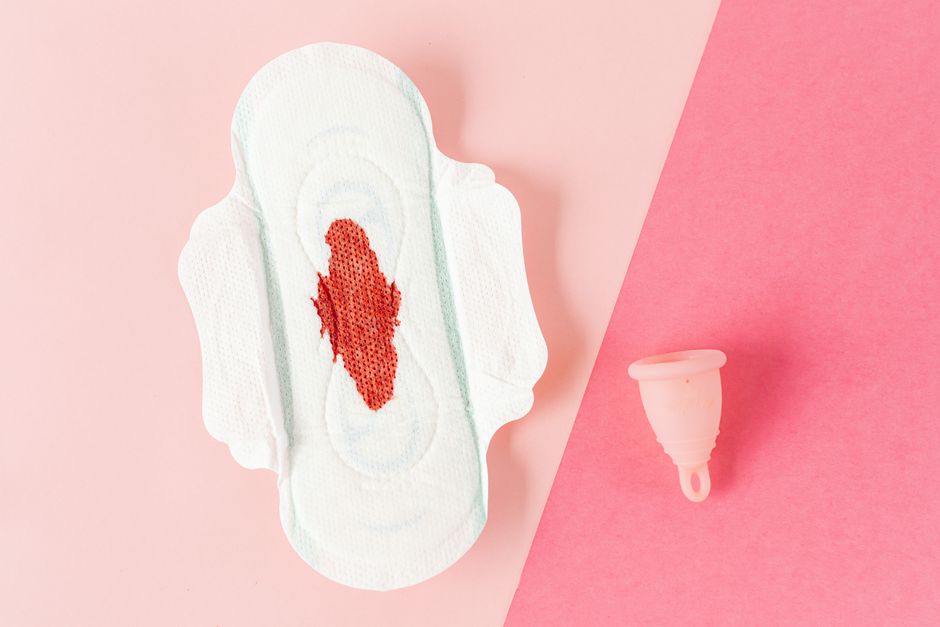
Heavy periods are common, but they are not something you have to simply endure. Menorrhagia — the medical term for abnormally heavy or prolonged menstrual bleeding — affects up to one in four women at some point. The right approach depends on the cause, your health history, and whether you are trying to conceive. Treatments range from simple at-home care to medications and, in some cases, surgery. Here is what you need to know about the options, what the evidence actually supports, and when to see a doctor.
What Counts as a Heavy Period?
Doctors define a heavy period by the amount of blood lost, not just how you feel. A typical period involves about 30 to 40 milliliters of blood over the whole cycle. Heavy bleeding means losing more than 80 milliliters. Since measuring blood loss at home is impractical, doctors rely on practical signs instead.
You are likely dealing with a heavy period if you soak through a pad or tampon every hour for several hours in a row. Passing clots larger than a quarter, needing to change protection overnight, or bleeding for more than seven days are other red flags. If any of these describe you, it is worth discussing with a clinician even if you have always had heavy periods.
Why Do Some Women Bleed Heavily?
The cause matters because it determines which treatment will actually help. Hormonal imbalances are the most common reason. When estrogen and progesterone fall out of sync, the uterine lining builds up thicker than normal, and shedding it produces heavier bleeding. This is especially common in teenagers and women approaching menopause.
Other causes include uterine fibroids — noncancerous growths in the uterine wall — and polyps, which are small overgrowths of the uterine lining. Adenomyosis, a condition where the uterine lining grows into the muscle wall, also causes heavy painful periods. Less commonly, bleeding disorders, thyroid problems, or certain medications like blood thinners can be responsible. In some cases, no cause is ever found, and the heavy bleeding is simply how that woman’s body works.
How To Help A Heavy Period Treatments And Tips: Medications First
For most women, medication is the first step. Nonsteroidal anti-inflammatory drugs (NSAIDs) like ibuprofen or naproxen reduce prostaglandins, the chemicals that trigger uterine contractions and heavy bleeding. Taken at the start of your period, they can reduce blood loss by 20 to 40 percent. They also help with cramps. The key is to take them as directed on the label and to avoid them if you have stomach ulcers or kidney problems.
Tranexamic acid is another non-hormonal option. It works by helping your blood clot more effectively at the uterine lining. Studies show it reduces menstrual blood loss by about 40 to 50 percent. It is taken only on the heavy days of your period, usually two to three times daily. Some women prefer it because it does not involve hormones.
Hormonal treatments are highly effective for many women. The combined oral contraceptive pill reduces blood loss by up to 50 percent and also regulates cycles. The levonorgestrel-releasing intrauterine system (IUD), sold under the brand name Mirena, is the most effective hormonal option. It releases a small amount of progestin directly into the uterus, thinning the lining. Studies show it reduces menstrual bleeding by up to 90 percent within six months of insertion. Many women eventually stop having periods altogether while using it.
Progestin-only pills, injections, or implants are alternatives if you cannot take estrogen. Gonadotropin-releasing hormone (GnRH) agonists temporarily shut down ovulation and stop periods, but they are typically used short-term because of side effects like hot flashes and bone density loss.





Procedures and Surgical Options
When medication fails or is not appropriate, several procedures can help. Endometrial ablation destroys or removes the uterine lining. It is a same-day outpatient procedure and significantly reduces or stops bleeding in most women. It is not an option if you want future children, and you will still need reliable contraception afterward to prevent pregnancy.
Uterine artery embolization is a minimally invasive procedure that blocks blood flow to fibroids, causing them to shrink. It preserves the uterus and is an option for women who want to keep fertility. Myomectomy surgically removes fibroids while leaving the uterus intact. Hysterectomy — removal of the uterus — is the only treatment that guarantees an end to heavy bleeding. It is major surgery with a longer recovery, and it is reserved for women who have completed their families and have not found relief with other options.
At-Home Tips for Managing Heavy Bleeding
While you are working with a doctor to find the right treatment, practical measures can make heavy periods more manageable. Track your bleeding to know what is normal for you. Use period pants or a menstrual cup alongside pads for overnight protection. Keep spare pads or tampons in your bag and at work. Iron supplementation is worth discussing with your doctor, since heavy periods are a leading cause of iron deficiency anemia. Do not start iron supplements on your own without a blood test confirming low ferritin levels, as excess iron can be harmful.
Heat pads can ease cramping, though they do not reduce bleeding. Staying hydrated and eating iron-rich foods like leafy greens, beans, and red meat supports your body during blood loss. Rest when you need to. Heavy bleeding can be physically draining, and pushing through it is not a badge of honor.
When to See a Doctor
You should see a clinician if heavy bleeding is interfering with your daily life, causing fatigue or shortness of breath, or if it has suddenly become heavier than your usual pattern. Seek urgent care if you are soaking through more than one pad or tampon per hour for two or more consecutive hours, if you pass clots the size of a golf ball, or if you feel dizzy, lightheaded, or short of breath. These can be signs of significant blood loss requiring immediate attention.
Bleeding between periods, after sex, or after menopause is not normal and should always be evaluated. Your doctor will likely start with a medical history and physical exam, then order blood tests to check for anemia and thyroid function. An ultrasound can identify fibroids, polyps, or adenomyosis. In some cases, a biopsy of the uterine lining is recommended, especially in women over 45 or those with risk factors for uterine cancer.
What About Natural Remedies?
You will see claims online about herbal remedies for heavy periods. The evidence is weak. Some small studies suggest that certain herbs may reduce bleeding, but the quality of research is poor, and dosing is not standardized. No large human trials have confirmed that any herbal supplement reliably treats heavy menstrual bleeding. Some herbs can interact with medications or affect bleeding risk. If you choose to try a natural product, tell your doctor and pharmacist what you are taking. Do not use herbal remedies as a substitute for medical evaluation, especially if your bleeding is heavy enough to cause anemia.
Heavy Periods and Fertility
If you are planning a pregnancy, treatment choices change. Hormonal contraceptives and endometrial ablation are not compatible with future fertility. Surgical options like myomectomy for fibroids can preserve the uterus and may improve fertility outcomes. Uterine artery embolization is generally not recommended for women who want children, as it may affect ovarian function. Be upfront with your doctor about your family plans so they can guide you toward treatments that align with your goals.
Frequently Asked Questions
How much bleeding is too much during a period?
Soaking through a pad or tampon every hour for several consecutive hours, passing clots larger than a quarter, or bleeding for more than seven days is considered heavy. Losing more than 80 milliliters of blood per cycle is the clinical threshold, but that is impossible to measure at home.
Can ibuprofen really reduce heavy period flow?
Yes. NSAIDs like ibuprofen and naproxen reduce prostaglandin production, which can cut menstrual blood loss by 20 to 40 percent. They work best when started at the first sign of your period and taken consistently for the first few days.
Is the hormonal IUD safe for treating heavy periods?
Yes, the levonorgestrel-releasing IUD is a well-established treatment for heavy menstrual bleeding. It is approved for this use and reduces blood loss by up to 90 percent within six months. It is safe for most women, though you may experience irregular spotting in the first few months.
When is surgery necessary for heavy periods?
Surgery is considered when medications are ineffective, not tolerated, or when a structural cause like large fibroids is found. Endometrial ablation, fibroid removal, or hysterectomy are options depending on your fertility goals and the underlying cause.
