
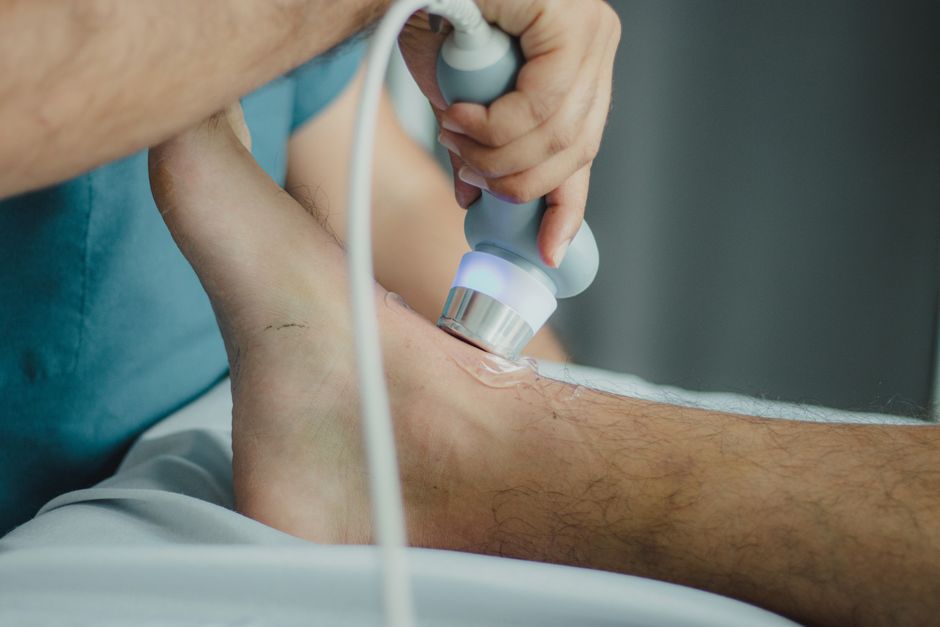
Finding the right doctor for peripheral neuropathy can feel overwhelming. The short answer is that neurologists are the primary specialists who diagnose and treat peripheral neuropathy, but many other healthcare providers play important roles depending on the underlying cause. Pain management specialists, physiatrists, endocrinologists, and even podiatrists often work alongside neurologists to give you the most complete care. Understanding who does what will help you get the right help faster.
What Type of Doctor Specializes in Peripheral Neuropathy?
The neurologist is the main specialist for peripheral neuropathy. These are doctors who focus on the nervous system, which includes your brain, spinal cord, and all the nerves that branch out through your body. When you have nerve damage that causes pain, numbness, or weakness in your hands and feet, a neurologist is the person trained to figure out what is going wrong.
Neurologists perform nerve tests like electromyography and nerve conduction studies. These tests measure how well your nerves are sending signals. The results tell the doctor which nerves are damaged and how badly. Research published in the journal Muscle & Nerve shows that these tests are the gold standard for diagnosing peripheral neuropathy and determining its severity.
Not all neurologists treat neuropathy the same way. Some have extra training in neuromuscular medicine. A neuromuscular specialist has done an additional fellowship year focused entirely on nerve and muscle diseases. If your case is complex or not responding to standard treatments, a neuromuscular specialist may be your best option.
When Should You See a Primary Care Doctor First?
Your primary care doctor is usually the right starting point. They can do a basic evaluation, run blood work, and check for common causes like diabetes, vitamin B12 deficiency, or thyroid problems. The CDC reports that diabetes is the leading cause of peripheral neuropathy in the United States, affecting about half of all people with the condition.
If your primary care doctor finds an obvious cause like uncontrolled diabetes, they may start treatment themselves. They might adjust your diabetes medications, prescribe vitamin supplements, or recommend over-the-counter pain relief. If your symptoms do not improve within a few months, or if the cause is not clear, they should refer you to a neurologist.
Some people skip their primary care doctor and go straight to a specialist. That is not always a bad idea, but it can lead to unnecessary tests and delays. A good primary care doctor saves you time by ruling out the simple causes first.
What Role Does a Pain Management Specialist Play?
Pain management specialists focus on treating chronic pain that does not respond to standard treatments. For people with peripheral neuropathy, the pain can be burning, stabbing, or like electric shocks. Regular painkillers like ibuprofen or acetaminophen rarely help nerve pain. Pain management doctors have more tools available.
They may prescribe medications specifically for nerve pain such as gabapentin, pregabalin, or certain antidepressants. Studies have found that gabapentin and pregabalin can reduce neuropathic pain by about 30 to 50 percent in some people. These are not cures, but they can make daily life more manageable.
Pain management specialists also offer procedures like nerve blocks, spinal cord stimulation, or topical treatments. The American Academy of Pain Medicine notes that spinal cord stimulation can be effective for certain types of neuropathy, especially when medications do not work or cause too many side effects. These procedures are not for everyone, but they are worth discussing if you have tried multiple medications without relief.





Can a Physiatrist Help With Peripheral Neuropathy?
A physiatrist is a doctor who specializes in physical medicine and rehabilitation. They do not perform surgery, but they help you regain function and manage symptoms through exercise, physical therapy, and adaptive equipment. If neuropathy is affecting your balance, making you fall, or weakening your grip, a physiatrist can help.
They design exercise programs that strengthen the muscles around affected nerves. They also recommend braces, splints, or special shoes that can prevent foot injuries. People with neuropathy often lose sensation in their feet and may not feel blisters or cuts. A physiatrist can teach you how to check your feet daily and protect them from damage.
Research in the Journal of the American Medical Association has shown that balance training and strength exercises reduce fall risk in people with neuropathy by about 40 percent. That is a real, measurable benefit that does not come from a pill. Physiatrists are often overlooked, but they provide practical help that improves quality of life.
What Other Specialists Might Be Involved?
Peripheral neuropathy has many causes, and each cause may require a different specialist. Endocrinologists manage diabetes and other metabolic conditions that damage nerves. If your neuropathy is from diabetes, getting your blood sugar under control is the most important step. An endocrinologist can help you do that.
Rheumatologists treat autoimmune conditions like lupus, rheumatoid arthritis, and Sjögren’s syndrome, which can cause neuropathy. If your immune system is attacking your own nerves, a rheumatologist may prescribe medications that calm that immune response. This is a very different approach from the one a neurologist would take.
Podiatrists are often the first to notice neuropathy in people with diabetes. They examine feet, check for loss of sensation, and treat wounds that could lead to infections. The American Podiatric Medical Association recommends that everyone with diabetes get a foot exam at least once a year. Podiatrists can also make custom orthotics that reduce pressure on painful areas.
Here is a quick comparison of the main specialists and what they do:
| Specialist | Main Role | When to See Them |
|---|---|---|
| Neurologist | Diagnose neuropathy, run nerve tests, prescribe nerve medications | First specialist for most people with confirmed or suspected neuropathy |
| Primary Care Doctor | Initial evaluation, blood work, manage common causes like diabetes | Starting point before seeing a specialist |
| Pain Management Specialist | Treat chronic nerve pain with medications and procedures | When standard treatments do not control pain |
| Physiatrist | Improve function, balance, and strength through exercise and therapy | When neuropathy affects walking, balance, or daily activities |
| Endocrinologist | Manage diabetes and metabolic causes | When diabetes or thyroid issues are causing neuropathy |
| Podiatrist | Foot care, wound prevention, custom orthotics | For foot pain, numbness, or diabetes-related foot problems |
What to Avoid When Looking for a Specialist
There are many clinics and online services that claim to cure peripheral neuropathy quickly. As of 2026, there is no clinical evidence that any single treatment can reverse nerve damage completely. Some treatments can slow the progression or reduce symptoms, but be very skeptical of anyone who promises a cure.
Some people report relief from chiropractic adjustments, acupuncture, or herbal supplements. Strong evidence is limited for most of these approaches. A few small studies suggest acupuncture may help some people with diabetic neuropathy, but larger trials have not confirmed this. If you try these treatments, keep your expectations realistic and tell your main doctor what you are doing.
Here are a few things to watch out for:
- Clinics that require expensive upfront payment for a package of treatments
- Supplements that claim to repair nerves without any published research
- Doctors who do not run basic tests before starting treatment
- Any provider who tells you to stop your current medications without consulting your regular doctor
The best approach is to work with a team. Start with your primary care doctor, get a clear diagnosis from a neurologist, and then add other specialists as needed. No single doctor has all the answers. A coordinated team gives you the best chance of managing your symptoms and maintaining your quality of life.
Frequently Asked Questions
What is the best doctor to see for peripheral neuropathy?
A neurologist is the best doctor to see for diagnosing and treating peripheral neuropathy. If the cause is diabetes or another metabolic condition, an endocrinologist may also be needed.
Can a primary care doctor treat peripheral neuropathy?
Yes, a primary care doctor can treat mild cases, especially if the cause is something simple like a vitamin deficiency. They should refer you to a neurologist if symptoms do not improve or if the cause is unclear.
Do I need a referral to see a neurologist for neuropathy?
That depends on your insurance plan. Many plans require a referral from your primary care doctor. Check with your insurance company before booking an appointment.
How long does it take to get a diagnosis for peripheral neuropathy?
It can take several weeks to a few months depending on how quickly you can see a specialist and complete nerve tests. A neurologist can often give you a clear diagnosis after one or two visits.
