
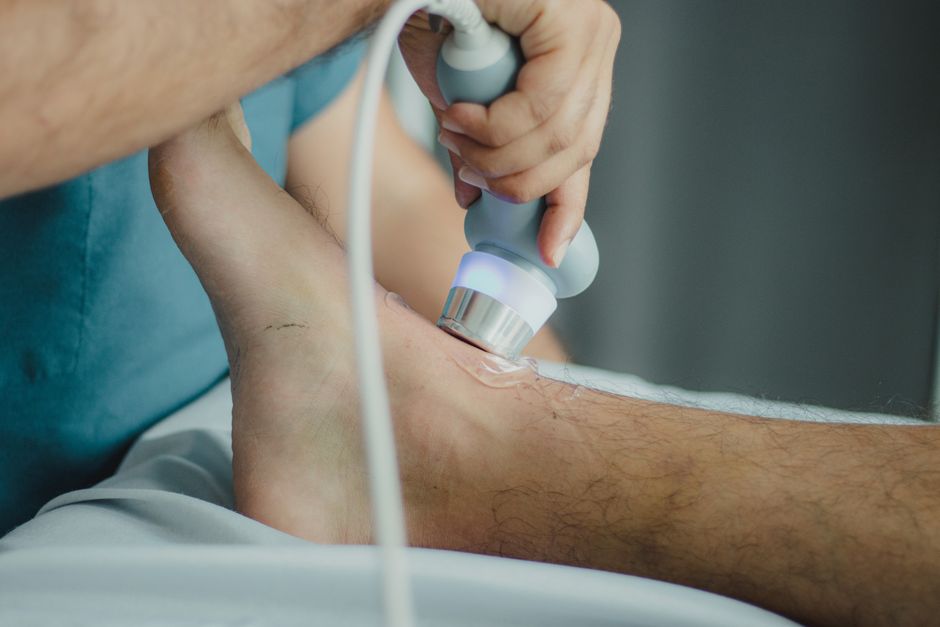
Peripheral neuropathy is nerve damage that affects the hands and feet, often causing pain, tingling, and numbness. Whether the condition can be reversed depends entirely on what caused it. For some people, treating the underlying cause can lead to significant improvement or complete resolution, while for others, the goal shifts to managing symptoms and preventing further damage.
What Is Peripheral Neuropathy?
Peripheral neuropathy is not a single disease. It is a broad term for damage to the peripheral nervous system, which carries signals between your brain and spinal cord and the rest of your body. When these nerves are damaged, communication breaks down. That breakdown can cause a wide range of symptoms.
The most common form affects the longest nerves first, which is why symptoms often start in the toes and feet. Over time, the symptoms can move up the legs and eventually affect the hands and arms. This pattern is known as a stocking-and-glove distribution.
Symptoms vary from person to person. Some people feel sharp, stabbing pain or a burning sensation. Others describe a deep ache or an electric shock-like feeling. Numbness, tingling, and a reduced ability to feel pain or temperature are also common. Some people experience muscle weakness or a loss of coordination, which can make walking or gripping objects difficult.
What Causes Peripheral Neuropathy?
Many conditions can damage peripheral nerves. The most common cause in the United States is diabetes. Research consistently shows that roughly half of all people with diabetes will develop some form of neuropathy, especially if their blood sugar has been poorly controlled over many years.
Other causes include:
- Chronic kidney disease and liver disease
- Autoimmune conditions such as lupus, rheumatoid arthritis, and Guillain-Barré syndrome
- Vitamin deficiencies, particularly vitamin B12
- Alcohol use disorder
- Infections including Lyme disease, shingles, and HIV
- Thyroid disorders
- Certain medications, including some chemotherapy drugs
- Physical trauma or compression, such as carpal tunnel syndrome
In many cases, the cause is never identified. This is called idiopathic peripheral neuropathy. When no cause can be found, it is harder to treat the underlying problem, and the focus shifts to symptom management.
Can Peripheral Neuropathy Be Reversed?
The answer is yes for some people, but it depends on the cause. When the nerve damage comes from a treatable condition, removing that condition often allows the nerves to heal. The body has a remarkable ability to repair damaged nerves, but that repair process is slow and not always complete.
For example, if a vitamin B12 deficiency is caught early and treated with supplements, symptoms can improve substantially. Similarly, people who stop drinking alcohol or who get their blood sugar under tight control often see meaningful improvement. When a medication is causing the problem, stopping the medication under a doctor’s supervision can allow nerves to recover.
However, when nerve damage is severe or has been present for a long time, the nerve cells may not fully recover. In conditions like advanced diabetic neuropathy, the damage can be permanent. In these cases, the focus is on preventing further nerve loss and managing pain rather than on reversal.
Nerve regeneration is a slow process. Damaged nerves grow back at a rate of roughly one millimeter per day. If a nerve is damaged in the foot, it can take months or even years for the nerve to regrow to its target. Even then, the regrown nerve may not function perfectly.





How Is Peripheral Neuropathy Diagnosed?
Getting an accurate diagnosis is the first step toward determining whether your neuropathy can be reversed. Your doctor will start with a detailed medical history and a physical exam. They will ask about your symptoms, your medical conditions, and any medications you take.
A nerve conduction study and electromyography are the most common diagnostic tests. These tests measure how well your nerves transmit electrical signals and how well your muscles respond to those signals. The results can show whether the problem is in the nerves themselves or in the muscles.
Blood tests are also routine. These can check for diabetes, vitamin deficiencies, thyroid problems, and signs of autoimmune disease. In some cases, a nerve biopsy or skin biopsy may be needed to confirm the diagnosis.
If you have symptoms of neuropathy, see a doctor as soon as possible. Early diagnosis matters. The sooner the cause is found, the sooner treatment can begin, and the better your chances of recovery.
What Treatments Can Help With Recovery?
Treatment always starts with addressing the underlying cause. If you have diabetes, tight blood sugar control is the most important step. Studies have found that people with type 1 diabetes who maintain strict blood sugar control have significantly lower rates of neuropathy. For people with type 2 diabetes, the evidence is less dramatic, but good control still helps slow progression.
Vitamin deficiencies are usually corrected with supplements. If you have a B12 deficiency, your doctor may recommend oral supplements or injections. Your doctor should test your B12 levels before you start taking supplements, because taking B12 when you do not need it will not help and can mask other problems.
Physical therapy is valuable for many people. It can help maintain muscle strength, improve balance, and reduce the risk of falls. Occupational therapy can help with fine motor skills if your hands are affected.
Pain management is a separate issue. Medications used for neuropathic pain include gabapentin, pregabalin, and certain antidepressants. These medications do not repair nerves. They work by changing how the brain perceives pain signals. They can be helpful, but they also have side effects, and finding the right dose can take time.
When Is Recovery Not Possible?
Some forms of neuropathy cannot be reversed. If the nerve cell body itself has died, the nerve cannot regrow. This is more likely when the damage is severe, prolonged, or caused by certain conditions.
Chemotherapy-induced peripheral neuropathy is one example. Many people improve after chemotherapy stops, but some do not. The damage can be permanent, especially with certain types of chemotherapy drugs like platinum-based agents.
Idiopathic neuropathy is another situation where reversal is unlikely. Without a known cause, there is no underlying condition to treat. In these cases, the best approach is to protect the nerves from further damage and to manage symptoms carefully.
Even when reversal is not possible, things can still get better. Pain can be managed. Falls can be prevented. Quality of life can improve. The word “irreversible” does not mean “untreatable.”
What Lifestyle Changes Protect Your Nerves?
Even if you cannot reverse existing nerve damage, you can protect the nerves you still have. This is critical because preventing progression is always easier than repairing damage.
If you have diabetes, keep your blood sugar in your target range. This is the single most effective way to slow or stop neuropathy progression. Work with your doctor to set realistic goals for your A1C, blood pressure, and cholesterol.
Limit alcohol. Heavy alcohol use is directly toxic to nerves. If you drink, moderation is important, and if you have alcohol-related neuropathy, stopping entirely is the only way to prevent further damage.
Eat a balanced diet. Pay special attention to vitamin B12, which is found in meat, fish, eggs, and dairy. If you are vegetarian or vegan, talk to your doctor about whether you need a supplement.
Check your feet daily. If you have reduced sensation in your feet, you may not notice small cuts or blisters. These can become infected without you feeling pain. Look for redness, swelling, warmth, or breaks in the skin every day, and see a podiatrist regularly.
What Is the Outlook for People With Neuropathy?
The outlook varies widely. For people with a reversible cause caught early, the prognosis can be excellent. Many people see significant improvement within months of treating the underlying problem.
For people with irreversible neuropathy, the goal shifts to stability. With good management, many people live full, active lives. The key is to slow the progression, protect your feet, manage pain effectively, and address the emotional toll that chronic nerve pain takes.
Living with chronic nerve pain is exhausting. It can disrupt sleep, affect mood, and make simple tasks feel difficult. These challenges are real. If you are struggling, talk to your doctor about pain management options and consider whether counseling or a support group might help. You do not have to manage this alone.
Frequently Asked Questions
Can nerve damage from neuropathy heal on its own?
Peripheral nerves can regenerate, but they only do so if the underlying cause of damage is removed. Even then, healing is slow and may be incomplete.
How long does it take for neuropathy symptoms to improve?
Nerves grow back at about one millimeter per day, so improvement takes months rather than weeks. Recovery also depends on how severe the damage was and how quickly the cause was treated.
Is all peripheral neuropathy permanent?
No. Many cases improve significantly when the cause is treatable, such as a vitamin deficiency, medication side effect, or poorly controlled diabetes. Severe or long-standing damage is more likely to be permanent.
What is the best treatment for peripheral neuropathy?
The best treatment targets the underlying cause first, such as controlling blood sugar or correcting a vitamin deficiency. Pain medications and physical therapy are used to manage symptoms but do not repair the nerves themselves.
