
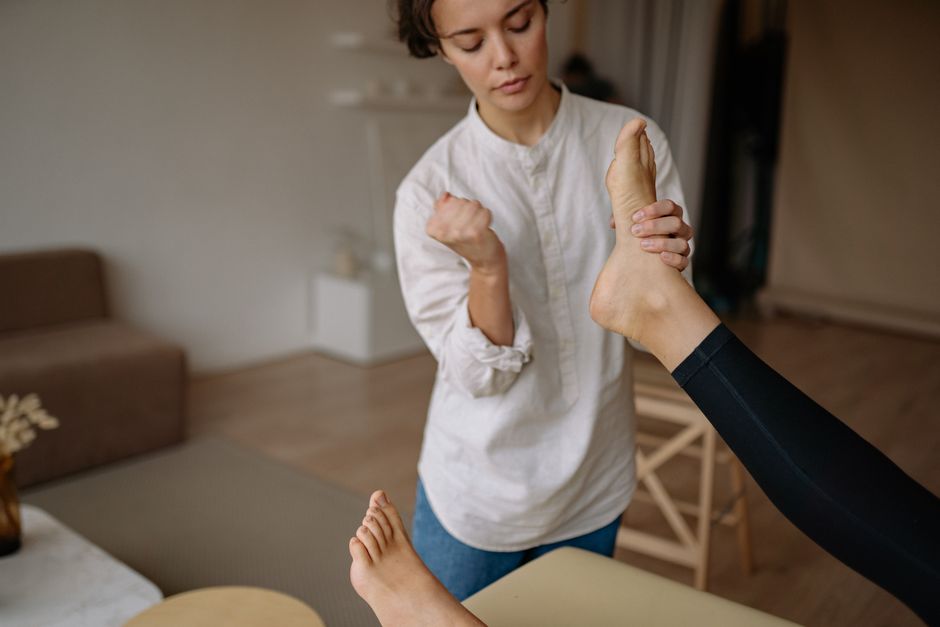
Yes, foot massage can help manage peripheral neuropathy symptoms, but it is not a cure. Research shows that regular foot massage can reduce pain, improve balance, and increase blood flow for many people living with this condition. The key is understanding what massage can and cannot do, and how to do it safely.
What Is Peripheral Neuropathy?
Peripheral neuropathy is damage to the nerves outside your brain and spinal cord. These nerves carry signals between your body and your brain. When they are damaged, those signals get scrambled or blocked.
Diabetes is the most common cause. Other causes include chemotherapy, alcohol use, vitamin deficiencies, kidney disease, and autoimmune conditions. In many cases, the exact cause remains unknown even after thorough testing.
The most common symptoms appear in the feet and hands. People describe burning pain, tingling, numbness, and a feeling like wearing a tight sock or glove. Some experience sharp electric-shock-like pains. Others lose sensation entirely, which carries its own set of risks.
Does Foot Massage Help Peripheral Neuropathy?
Foot massage helps peripheral neuropathy symptoms in several ways, though it does not repair damaged nerves. The benefits come from improving circulation, reducing muscle tension, and stimulating the remaining healthy nerve pathways.
Studies on massage for neuropathy have generally been small, but the results are encouraging. Some research suggests that regular massage can reduce neuropathic pain scores and improve quality of life. Other studies indicate that massage may improve balance and reduce the risk of falls in people with neuropathy.
One important mechanism is blood flow. Damaged nerves often have reduced blood supply, which can worsen symptoms. Massage increases circulation to the feet and lower legs. Better blood flow brings oxygen and nutrients to the tissues and helps remove waste products that can irritate nerves.
Massage also reduces muscle tightness. Neuropathy often causes muscles in the feet and calves to become tense or cramped. Relaxing those muscles takes pressure off nerves and reduces pain.
What the Research Actually Shows
The evidence for foot massage in peripheral neuropathy is real but limited. Most published studies involve small numbers of participants, often fewer than 50 people. That makes it difficult to draw firm conclusions about how well massage works across different populations.
Some studies have found significant reductions in pain scores after several weeks of regular massage. Others have shown improvements in sleep quality and mood, which often suffer when chronic nerve pain keeps you awake at night.
A few studies have examined foot massage specifically in people with diabetic neuropathy. These studies report improvements in pain, tingling, and numbness after consistent massage sessions over several weeks. However, researchers note that more rigorous trials are needed before massage can be considered a standard treatment.
What the research does not show is nerve regeneration. No study has demonstrated that massage repairs damaged nerves or reverses neuropathy. Marketing claims suggesting otherwise have no scientific backing.





How Massage Affects Nerve Pain
Massage works on nerve pain through several distinct pathways. Understanding these helps you know what to expect from treatment.
Gate control theory is one explanation. The spinal cord acts like a gate for pain signals traveling to the brain. Gentle pressure from massage activates large nerve fibers that carry touch signals. These signals can close the gate to pain signals traveling on smaller fibers, reducing the pain you perceive.
Massage also triggers the release of endorphins. These are your body’s natural pain-relieving chemicals. They bind to the same receptors as opioid medications, but without the side effects or addiction risk.
Regular massage reduces stress hormones like cortisol. Chronic stress amplifies pain perception. Lowering stress levels can make existing pain feel more manageable.
For people with neuropathy, massage also helps maintain joint flexibility and muscle function. Nerves need movement to stay healthy. When pain keeps you still, muscles weaken and joints stiffen, which can worsen nerve compression over time.
How to Massage Neuropathic Feet Safely
Safety comes first with neuropathy. Reduced sensation means you may not feel when pressure is too strong or when skin is damaged. This is not a time for deep tissue work or aggressive techniques.
Start with light to moderate pressure. You should feel comfortable pressure, not pain. If you have reduced sensation, ask someone else to check the pressure on their own foot first so they can calibrate what feels appropriate.
Use a gentle oil or lotion. This reduces friction and protects the skin. People with diabetes need to check their feet daily for cracks, blisters, or redness. Massage can help you notice changes in your feet that might otherwise go undetected.
Here is a basic routine that takes about ten minutes:
- Warm the oil in your hands first
- Stroke from the toes toward the ankle with light pressure
- Use your thumbs to make small circles on the sole of the foot
- Gently squeeze and release each toe
- Massage the ankle area in a circular motion
- Finish with long, slow strokes from ankle to knee
Avoid massaging open wounds, areas with visible skin changes, or regions where you have lost all sensation. If you have blood clots, deep vein thrombosis, or severe arterial disease, check with your doctor before any massage.
When to See a Professional
Professional massage therapists can provide more targeted treatment than self-massage. Look for a licensed massage therapist who has experience working with neuropathy or diabetic clients.
Your first professional session should include a thorough health history. The therapist needs to know about your diagnosis, your medications, and any areas of reduced sensation. A good therapist will adjust their technique to your specific needs and avoid areas that require special care.
Some people benefit from seeing a physical therapist instead. Physical therapists are trained to work with neurological conditions. They can teach you specific techniques and combine massage with other treatments like stretching and balance exercises.
If you notice any new symptoms during or after massage, tell your healthcare provider. Increased pain, new numbness, or skin changes after massage should always be evaluated.
Other Treatments That Work Alongside Massage
Massage works best as part of a complete treatment plan. It is not a replacement for medical care or other proven therapies.
Blood sugar control is the most important treatment for diabetic neuropathy. Keeping glucose levels in target range slows nerve damage and can reduce symptoms over time.
Certain medications are approved for neuropathic pain. These include gabapentin, pregabalin, duloxetine, and some antidepressants. These medications do not repair nerves, but they can significantly reduce pain for many people.
Physical therapy helps maintain strength and balance. Simple exercises can improve your gait and reduce fall risk. Balance training is particularly valuable because neuropathy often impairs your sense of where your feet are in space.
Some people find relief from other complementary approaches. Warm water therapy, transcutaneous electrical nerve stimulation (TENS), and acupuncture all have some evidence of benefit. The evidence for each is modest, and results vary from person to person.
Lifestyle factors matter too. Smoking constricts blood vessels and worsens neuropathy. Alcohol can directly damage nerves. Addressing these habits may slow progression and make other treatments more effective.
What Massage Cannot Do
Massage does not cure peripheral neuropathy. No massage technique, tool, or oil can regenerate damaged nerves. Be wary of products or practitioners who promise reversal or cure.
Massage also cannot prevent falls on its own. While it may improve balance by reducing muscle tension and improving body awareness, structured balance training is more effective for fall prevention.
If your neuropathy is caused by a progressive condition like diabetes or autoimmune disease, massage will not stop the underlying nerve damage. It manages symptoms while you address the root cause with your healthcare team.
How Often Should You Get a Foot Massage?
Consistency appears to matter more than intensity. Research on massage for neuropathy has typically involved sessions multiple times per week for several weeks. Some studies show benefits from daily self-massage of ten to fifteen minutes.
Many clinicians recommend starting with professional massage once or twice weekly for the first month. After that, self-massage several times per week can help maintain the benefits. Listen to your body. If massage makes your symptoms worse, reduce frequency or pressure.
No clinical guidelines currently exist for the optimal frequency of massage in peripheral neuropathy. Studies use varied protocols, and no head-to-head comparisons have established a best schedule. Start with what feels good and adjust based on your response.
Frequently Asked Questions
Is foot massage safe for diabetic neuropathy?
Yes, foot massage is generally safe for diabetic neuropathy when done gently. Check your feet for wounds or skin changes first, and avoid massaging any open or infected areas.
How long does it take for foot massage to help neuropathy?
Some people notice improvement after a few sessions, but most studies show benefits after several weeks of regular massage. Consistency matters more than any single session.
Can foot massage make neuropathy worse?
Yes, if pressure is too deep or if you have reduced sensation, massage can cause tissue damage you do not feel. Use light to moderate pressure and stop if you notice any new pain.
What oil is best for neuropathic foot massage?
Any gentle moisturizing oil or lotion works well. People with diabetes should choose fragrance-free products and check the skin afterward for any irritation.
