
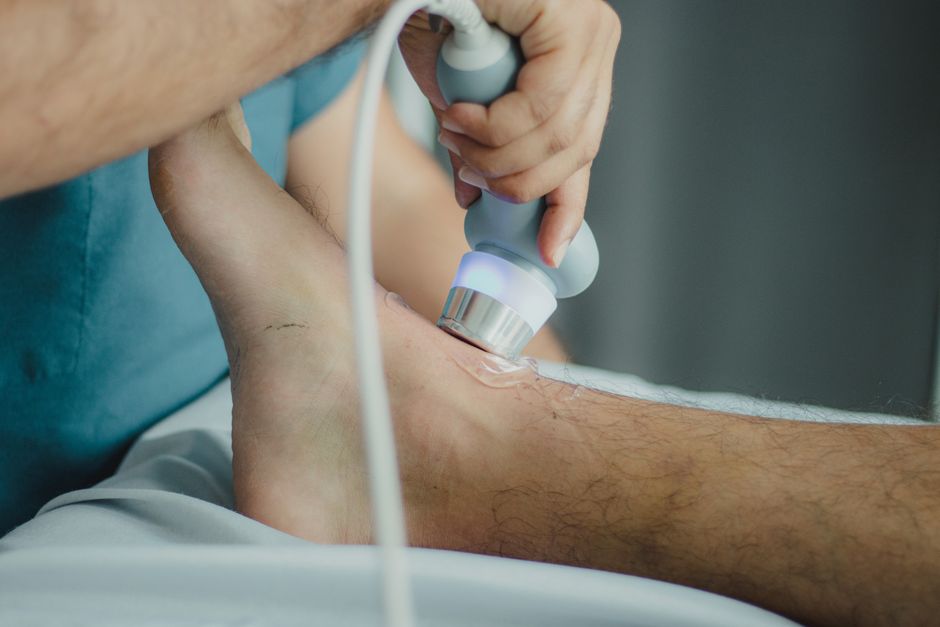
If you have been told you have peripheral neuropathy, your first question is often about which doctor to see. The short answer is that a neurologist is the specialist most qualified to diagnose and treat peripheral neuropathy. These doctors focus on the nervous system, which includes the network of nerves outside your brain and spinal cord that are damaged in this condition.
Which Doctors Treat Peripheral Neuropathy?
Peripheral neuropathy is a complex condition. It can have many different causes, from diabetes to vitamin deficiencies to autoimmune diseases. Because of this, several types of doctors may be involved in your care. The main doctor who treats peripheral neuropathy is a neurologist.
Neurologists are the experts in nerve function. They perform the physical exams and tests needed to confirm neuropathy. They also manage the medications used to control nerve pain and monitor how the condition changes over time.
However, your primary care physician is often the first doctor to suspect neuropathy. They can run initial blood tests to check for common causes like diabetes or thyroid problems. They may then refer you to a neurologist for a more detailed evaluation.
Depending on the cause, you might also see other specialists:
- Endocrinologist: For neuropathy caused by diabetes, this doctor manages your blood sugar levels, which is the most important step to slow nerve damage.
- Rheumatologist: If an autoimmune disease like lupus or rheumatoid arthritis is the cause, this specialist treats the underlying immune system problem.
- Physiatrist: This is a rehabilitation doctor who focuses on improving physical function and managing pain without surgery.
- Pain management specialist: For severe nerve pain that is hard to control, this doctor offers advanced treatments like nerve blocks or specialized medications.
What Does a Neurologist Do for Neuropathy?
When you see a neurologist for peripheral neuropathy, they do more than just prescribe pain medication. They work to find the root cause of your nerve damage. This is critical because treating the cause can stop further damage, even if it cannot reverse what is already lost.
The diagnostic process usually starts with a detailed history and physical exam. The neurologist will check your reflexes, muscle strength, and ability to feel light touch, vibration, and temperature. These tests help them map out which nerves are affected.
They often order tests to confirm the diagnosis. A common test is an electromyography (EMG) and nerve conduction study. This measures how well your nerves send electrical signals and how your muscles respond. It helps determine the type of nerve damage you have.
Blood tests are also standard. These can check for vitamin B12 deficiency, thyroid disease, kidney problems, and signs of inflammation or autoimmune conditions. In some cases, a nerve biopsy or skin biopsy may be done to look at nerve fibers directly.
Once the cause is identified, the neurologist creates a treatment plan. This plan focuses on two main goals: treating the underlying cause and managing the symptoms like pain, numbness, and tingling.
What Medications Do Doctors Prescribe for Nerve Pain?
Nerve pain is different from regular pain. It does not respond well to common pain relievers like ibuprofen or acetaminophen. Doctors who treat peripheral neuropathy usually prescribe medications designed specifically for nerve pain.
Some of the most common medications are actually antidepressants and anti-seizure drugs. They work by calming the overactive nerve signals that cause pain. For example, gabapentin and pregabalin are anti-seizure medications frequently used for nerve pain. Certain antidepressants like duloxetine and amitriptyline are also effective.
These medications do not cure neuropathy. They reduce the pain signals reaching your brain, which can improve sleep and quality of life. It often takes time to find the right medication and dose. Doctors usually start with a low dose and increase it slowly to limit side effects like dizziness or drowsiness.
For severe pain that does not respond to these medications, a pain specialist may offer stronger options. Topical creams containing lidocaine or capsaicin can be used directly on the skin. In rare cases, opioid medications are considered, but they are used with caution due to the risk of dependence.
-
 Who Specializes in Peripheral Neuropathy? A Closer Look
 -
Does Foot Massage Help Peripheral Neuropathy? The Real Answer
-
Can Peripheral Neuropathy Be Reversed? Here’s What to Know
-
Can You Die from Peripheral Neuropathy? The Real Risks
-
Nerve Calm Reviews, Customer Complaints, & Scam-Checked Reports 2025 Update.





Can Anything Stop or Reverse Nerve Damage?
This is the hardest question for people with neuropathy. The truth is that for most causes, nerve damage cannot be fully reversed. The goal of treatment is to stop the damage from getting worse and to manage the symptoms.
However, there are exceptions. Some types of neuropathy improve when the cause is removed. For example, neuropathy caused by a vitamin B12 deficiency can improve significantly with B12 supplements. Neuropathy caused by certain medications may improve when the drug is stopped. For people with diabetes, strict blood sugar control has been shown to slow the progression of neuropathy and may improve symptoms in some cases.
The key factor is time. Nerves can regenerate, but they do so very slowly. If the damage has been present for a long time, the chances of significant improvement are lower. Early diagnosis and treatment give you the best chance of preventing severe disability.
Do not trust marketing claims that promise a cure for neuropathy. No supplement, device, or therapy has been proven to reverse established nerve damage. Some treatments may help reduce pain, but that is not the same as curing the condition.
What About Physical Therapy and Lifestyle Changes?
Managing peripheral neuropathy involves more than just taking medication. Physical therapy plays a major role in maintaining strength and balance. Nerve damage can cause muscle weakness and loss of sensation in your feet, which increases your risk of falls.
A physical therapist can teach you exercises to improve your balance and strengthen your muscles. They can also provide strategies for walking safely. Occupational therapists can help you adapt your home to prevent accidents and manage daily tasks.
Lifestyle changes are also essential. If you have diabetes, controlling your blood sugar is the single most important step. If you smoke, quitting is critical because smoking narrows blood vessels and reduces blood flow to your nerves. Limiting alcohol is important too, as heavy alcohol use is a direct cause of neuropathy.
Foot care is a practical concern that is often overlooked. Because you may not feel pain in your feet, small cuts or blisters can become infected without you noticing. Check your feet daily for injuries and wear well-fitting shoes. This simple habit can prevent serious complications.
When Should You See a Doctor?
Do not wait to see a doctor if you notice symptoms of peripheral neuropathy. The most common early signs are numbness, tingling, or a pins-and-needles sensation in your hands or feet. Many people describe a burning pain or a feeling like wearing a tight glove or sock.
See a doctor promptly if you have these symptoms, especially if they are getting worse or spreading up your arms or legs. Sudden weakness or difficulty walking is a sign to seek medical care quickly. Early evaluation gives you the best chance of identifying a treatable cause.
Your primary care doctor is a good place to start. They can do an initial assessment and refer you to the right specialist. For most people, that specialist will be a neurologist who treats peripheral neuropathy as their main focus.
Living with neuropathy can be frustrating. The pain is real, and the slow progress can be discouraging. But working with the right doctor gives you a clear plan. It helps you protect your function, manage your pain, and prevent the condition from taking over your life.
Frequently Asked Questions
What type of doctor is best for peripheral neuropathy?
A neurologist is the best doctor for diagnosing and treating peripheral neuropathy. Your primary care doctor can start the evaluation and refer you to one.
Can a podiatrist treat peripheral neuropathy?
A podiatrist treats foot problems and can help with foot care, but they do not treat the nerve damage itself. You still need a neurologist or your primary care doctor to manage the condition.
Does peripheral neuropathy always get worse?
Not always. If the underlying cause is treated early, the progression can often be slowed or stopped. In some cases, like a vitamin deficiency, symptoms may improve.
What is the best medication for nerve pain?
There is no single best medication for everyone. Gabapentin, pregabalin, and duloxetine are commonly used, but the right choice depends on your specific symptoms and other health conditions.
