
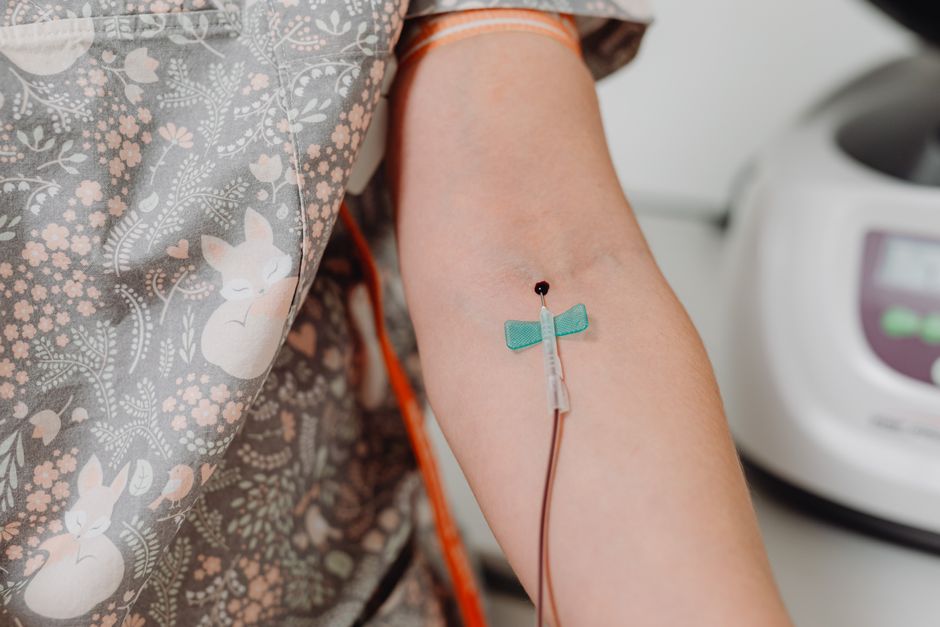
Blood type is one of the first things medical teams need to know about you in an emergency. Most people know their own ABO group and whether they are Rh positive or negative. But the question of which blood type is the rarest has a more complex answer than a simple list. The short answer is that the rarest of the eight main blood types is AB negative, found in about 1% of the global population. However, when you look beyond the standard eight types, there are dozens of rare blood types that are far less common, with some existing in only a handful of people worldwide.
What Determines Blood Type Rarity?
Blood type is determined by antigens, which are proteins and sugars on the surface of red blood cells. These antigens act as identification markers. If a person receives blood with antigens their body does not recognize, their immune system will attack the donated cells.
The ABO system and the Rh system are the two most important for blood transfusions. The ABO system has four groups: A, B, AB, and O. The Rh system adds a positive or negative status based on the presence of the D antigen. This creates the eight standard blood types: A+, A-, B+, B-, AB+, AB-, O+, and O-.
Rarity is simply a numbers game. It reflects how common each antigen is in the general population. The frequency of each type varies by ethnicity and geographic region, but the global averages are well established.
Why AB Negative Is the Rarest Standard Type
AB negative is the rarest of the eight main blood types. To have AB negative blood, a person must inherit the A gene from one parent and the B gene from the other. They must also inherit the absence of the Rh D antigen from both parents.
Both A and B antigens are less common than O. The Rh negative trait is also less common than Rh positive. When you combine these two rare traits, the result is a very small percentage of the population. In the United States, about 1% of blood donors have AB negative blood. Globally, the percentage varies slightly but remains consistently low.
While AB negative is rare, it is not the most in-demand type. AB negative patients can receive red blood cells from any negative type. This makes them universal recipients for red blood cells. The rarest type for a patient to receive is actually the one that matches their own, which is why blood banks still need regular AB negative donations.
What Is the Rh Null Blood Type?
Beyond the standard eight types, there are over 30 other blood group systems that have been identified. These systems involve hundreds of different antigens. When a person lacks a very common antigen, their blood type is considered rare.
The most famous rare type is Rh null. People with Rh null blood have no Rh antigens at all on their red blood cells. This includes the D antigen and all other antigens in the Rh system. It is so rare that fewer than 50 individuals worldwide have been identified with it. Some medical sources estimate the number is closer to 40.
Rh null blood is sometimes called “golden blood” because of its extreme rarity and its value to medicine. For a person with Rh null blood, receiving blood with any Rh antigens can trigger a severe immune reaction. This makes finding compatible blood for them extremely difficult.
Because Rh null is so rare, people who have it are often encouraged to donate blood regularly. Their donations are frozen and stored for their own future use, or for the small number of other Rh null patients who may need it.





How Common Are Other Rare Blood Types?
Rare blood types are usually defined by their absence of high-frequency antigens. A high-frequency antigen is one that is present in more than 99% of the population. If a person lacks one of these, their blood is considered rare.
Some examples of rare blood types beyond Rh null include:
- Duffy null: Common in people of African descent, this type lacks all Duffy antigens. It is important because it offers natural resistance to a specific type of malaria parasite.
- Kell null: Extremely rare, this type lacks all Kell antigens. It is estimated to occur in about 1 in 15,000 people.
- Vel negative: This type lacks the Vel antigen. It is more common in Northern Europe and Scandinavia, affecting about 1 in 5,000 people in those regions.
- Lutheran null: This type lacks all Lutheran antigens. It is very rare and is usually discovered during routine blood testing.
These types are rare, but they are not as rare as Rh null. The exact prevalence of many rare types is not precisely known because they are often only discovered when a person needs a transfusion and no compatible blood is found.
Why Does Blood Type Rarity Matter?
Blood type rarity matters most in transfusion medicine and pregnancy. In a transfusion, the goal is to match the donor’s antigens to the recipient’s antigens as closely as possible. If a patient has a rare blood type, finding a compatible donor can be a major challenge.
For pregnant women, blood type matters because of Rh incompatibility. If an Rh negative mother carries an Rh positive baby, her immune system can develop antibodies against the baby’s red blood cells. This is managed with routine prenatal care and a medication called Rh immune globulin. This treatment has been standard for decades and is highly effective at preventing complications.
For people with very rare blood types, the main practical concern is emergency care. In a trauma situation, there may not be time to find a perfect match. Hospitals typically use O negative blood for emergency transfusions because it lacks A, B, and D antigens, making it safe for almost anyone. However, for a patient with a rare type like Rh null, even O negative blood can cause a reaction.
How Is Rare Blood Identified?
Standard blood typing only checks for A, B, and D antigens. Rare blood types are usually identified through more advanced testing. This happens when a patient has a transfusion reaction, a difficult crossmatch, or a complex antibody screening.
Specialized laboratories can perform extended antigen typing. This tests for a wider panel of antigens across multiple blood group systems. When a patient is found to have a rare type, they are often registered with a rare blood donor program.
International organizations maintain databases of rare blood donors. These registries allow hospitals to search for compatible blood anywhere in the world. If a patient in one country needs a rare type, the blood can be shipped from another country where a matching donor is registered.
Can You Find Out If You Have a Rare Blood Type?
Most people will never know if they have a rare blood type unless they donate blood or need a transfusion. Standard blood donation does not test for rare antigens. It only confirms the ABO and Rh type.
If you are a regular blood donor, you may be flagged as rare if your blood is sent for extended testing. This can happen if your donation is used for a patient with a complex antibody problem. Blood centers may also screen for specific rare types if they have an urgent need.
Knowing your blood type is useful for personal health records, but it is not something most people need to actively pursue. The medical system identifies rare types when they matter clinically, and the blood banking network is designed to handle these cases.
Frequently Asked Questions
What is the rarest blood type in the world?
Rh null is the rarest blood type, with fewer than 50 known cases worldwide. Among the eight standard blood types, AB negative is the rarest at about 1% of the population.
Is AB negative the rarest blood type?
AB negative is the rarest of the eight main blood types. However, rarer types exist outside the standard ABO and Rh systems, such as Rh null.
What blood type is called golden blood?
Rh null is called golden blood because of its extreme rarity and medical value. People with this type can donate to anyone with rare Rh antigens, but can only receive from other Rh null donors.
Can you have a rare blood type without knowing it?
Yes, most people with rare blood types are unaware until they donate blood or need a transfusion. Standard blood tests do not screen for rare antigens.
