
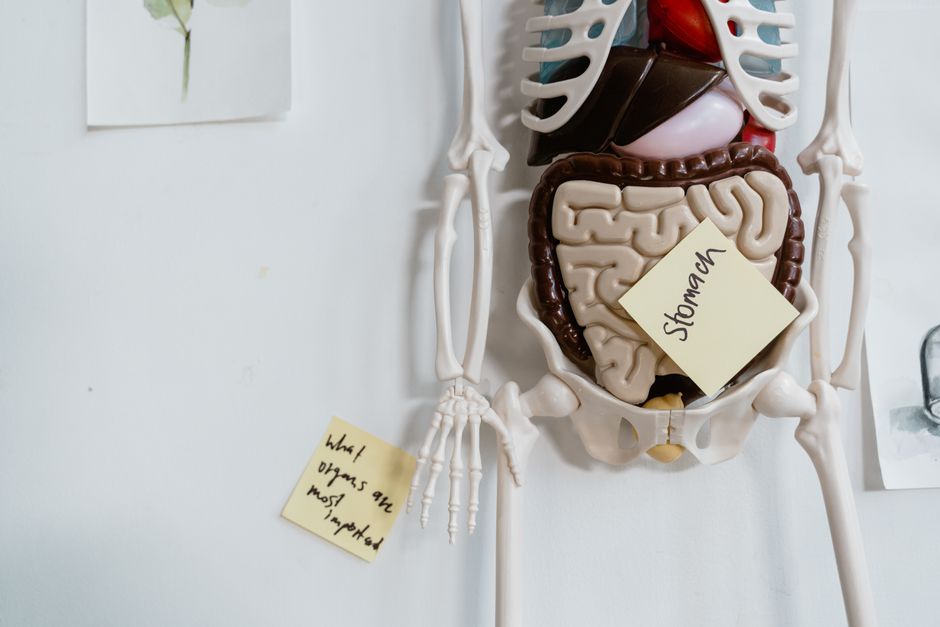
The digestive system does more than move food from your mouth to your stomach. It relies on several supporting organs that never touch food directly. These are called accessory digestive organs. They include the liver, the gallbladder, and the pancreas. Each one produces or stores substances that break down food into nutrients your body can use.
What Exactly is an Accessory Digestive Organ?
An accessory digestive organ is an organ that helps with digestion but is not part of the main digestive tract. The main tract is a continuous tube. It runs from your mouth through your esophagus, stomach, small intestine, and large intestine. Food actually passes through all of those structures.
Accessory organs sit outside this tube. They connect to it through ducts, which are small tubes. Their job is to produce digestive juices or store them until needed. These juices flow into the digestive tract and do the chemical work of digestion.
The three main accessory digestive organs are the liver, the gallbladder, and the pancreas. The salivary glands also count as accessory digestive organs. They produce saliva that starts breaking down carbohydrates in your mouth.
What Does the Liver Do in Digestion?
The liver is the largest internal organ in your body. It weighs about three pounds in an average adult. It performs hundreds of jobs, but its digestive role centers on producing bile.
Bile is a yellow-green fluid that helps digest fats. Fat does not dissolve in water. Bile acts like a detergent. It breaks large fat globules into smaller droplets so digestive enzymes can work on them. This process is called emulsification.
The liver makes bile constantly. It produces about 500 to 1000 milliliters per day in an adult. Bile also carries waste products out of the body, including bilirubin, which comes from the breakdown of old red blood cells.
Without bile, your body would absorb far less fat. You would also miss out on fat-soluble vitamins. These include vitamins A, D, E, and K. They need fat to be absorbed properly.
How Does the Gallbladder Support Digestion?
The gallbladder is a small pear-shaped organ. It sits directly beneath the liver. Its only job is to store and concentrate bile.
Between meals, bile produced by the liver flows into the gallbladder. The gallbladder removes water from the bile. This makes the bile much stronger and more effective.
When you eat a fatty meal, the gallbladder contracts. It squeezes stored bile through the common bile duct into the small intestine. This happens right when food enters the duodenum, the first part of the small intestine.
People can live without their gallbladder. If it is removed due to gallstones or disease, bile flows directly from the liver into the intestine. Digestion still works, but some people notice issues after eating very fatty meals.





What Role Does the Pancreas Play?
The pancreas is a long, flat organ located behind the stomach. It has two main jobs. One is endocrine, meaning it releases hormones into the blood. The other is exocrine, meaning it releases digestive enzymes into the intestine.
For digestion, the pancreas produces pancreatic juice. This juice contains enzymes that break down all three major nutrient types. Proteases break down proteins. Lipases break down fats. Amylases break down carbohydrates.
The pancreas also produces bicarbonate. This is a base that neutralizes stomach acid. When food leaves the stomach, it is highly acidic. The bicarbonate from the pancreas brings the pH to a level where intestinal enzymes can work.
Pancreatic enzymes are powerful. They are stored in an inactive form inside the pancreas to prevent the organ from digesting itself. They only become active once they reach the small intestine.
Which of the Following is an Accessory Digestive Organ: Common Confusions
People often confuse accessory organs with parts of the main digestive tract. The stomach and small intestine are not accessory organs. They are primary digestive organs because food passes directly through them.
The appendix is sometimes mistaken for an accessory organ. It is a small pouch attached to the large intestine. It does not produce digestive juices. Current evidence suggests it may play a role in immune function, but it has no known digestive function.
The salivary glands are accessory organs, but they are often forgotten. You have three pairs of them. They produce saliva, which contains amylase. This enzyme starts breaking down starches in your mouth before you even swallow.
Here is a quick breakdown to keep it clear:
- Accessory digestive organs: liver, gallbladder, pancreas, salivary glands
- Primary digestive organs: mouth, esophagus, stomach, small intestine, large intestine
- Not digestive organs: appendix, spleen, kidneys
The spleen is a common source of confusion. It filters blood and helps fight infection. It sits near the stomach but has no role in digestion at all.
Why Do These Organs Matter for Your Health?
When accessory organs fail, digestion breaks down in specific ways. The symptoms depend on which organ is affected.
Liver disease can reduce bile production. This leads to poor fat absorption. Stools may become pale or greasy. You may also notice yellowing of the skin and eyes, which is called jaundice.
Gallbladder problems usually involve gallstones. These are hardened deposits that can block the bile duct. This causes sudden, severe pain in the upper right abdomen. The pain often comes after a fatty meal.
Pancreatic insufficiency means the pancreas does not produce enough enzymes. This is common in chronic pancreatitis and cystic fibrosis. Food passes through undigested. This causes weight loss, diarrhea, and greasy stools that float.
Type 1 diabetes is also a pancreatic condition. In this case, the insulin-producing cells in the pancreas are destroyed. This affects blood sugar regulation, not digestion directly.
How Are Accessory Organ Problems Diagnosed?
Doctors use several tests to check accessory organs. Blood tests can measure liver enzymes and pancreatic enzymes. High levels often indicate inflammation or damage.
Imaging tests are common. Ultrasound can detect gallstones. CT scans and MRI can show the pancreas and liver in detail. Endoscopic ultrasound can get even closer views of the pancreas.
For pancreatic function, doctors may check stool samples. Undigested fat in stool, called fecal fat, indicates poor digestion. This test requires you to eat a high-fat diet for several days beforehand.
Liver function tests measure proteins and enzymes in the blood. These include ALT, AST, and bilirubin. Abnormal results can point to liver damage, but they do not diagnose the cause on their own.
Can You Keep Accessory Organs Healthy?
There is no guaranteed way to prevent all diseases of these organs. Genetics and autoimmune conditions play a role. But some lifestyle factors are clearly linked to better outcomes.
Maintaining a healthy weight reduces the risk of gallstones and fatty liver disease. Both conditions are strongly associated with obesity. Rapid weight loss can also cause gallstones, so slow and steady changes are safer.
Limiting alcohol is one of the most important steps for liver health. Heavy drinking is a direct cause of liver cirrhosis and pancreatitis. The liver can regenerate, but repeated damage leads to permanent scarring.
A balanced diet supports all three organs. Fiber helps regulate bile acid recycling. Healthy fats are needed for gallbladder contraction. Protein provides the building blocks for digestive enzymes.
Some evidence suggests that coffee may protect against liver disease. Several large observational studies have found lower rates of cirrhosis and liver cancer among coffee drinkers. The mechanism is not fully understood, and this is not a reason to start drinking coffee if you do not already.
Frequently Asked Questions
Is the stomach an accessory digestive organ?
No. The stomach is a primary digestive organ because food passes directly through it. It mechanically churns food and mixes it with acid and enzymes.
Which organ is not an accessory digestive organ?
The spleen is not a digestive organ. It filters blood and supports the immune system but produces no digestive juices.
What happens if the pancreas stops producing enzymes?
Food cannot be properly broken down, leading to poor nutrient absorption. This causes weight loss, diarrhea, and greasy stools.
Can you digest food without a gallbladder?
Yes. Bile flows directly from the liver into the intestine. Some people need to limit very fatty meals after gallbladder removal.
Understanding which organs are accessory and which are primary helps you make sense of digestive symptoms. If you have persistent pain, unexplained weight loss, or changes in your stools, talk to a doctor. These symptoms can point to problems in the liver, gallbladder, or pancreas that need proper evaluation.
