
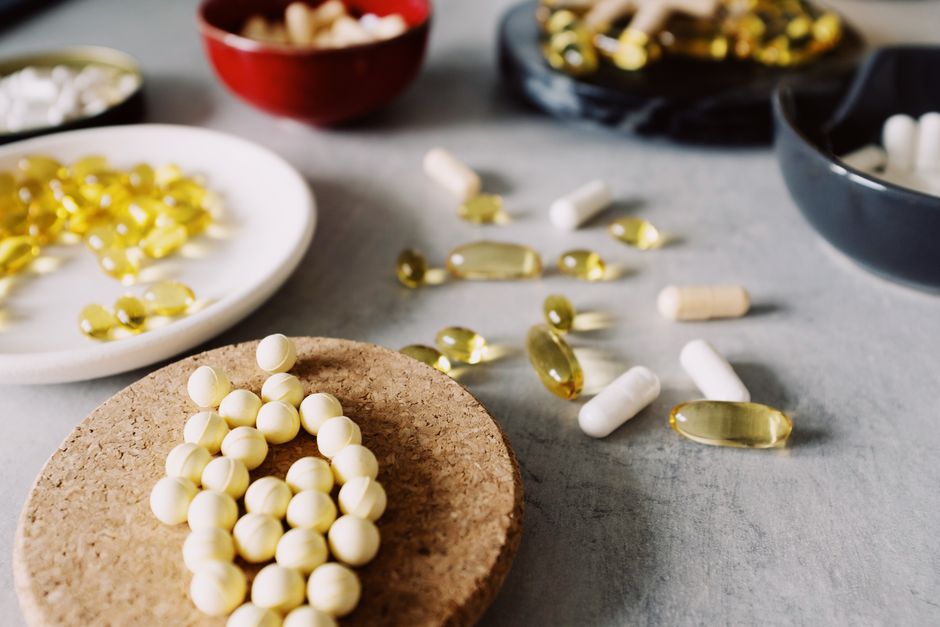
If you have had your gallbladder removed, your body can no longer store bile and release it in one concentrated burst after a meal. The best digestive enzyme for no gallbladder is one that contains ox bile, which replaces the bile your gallbladder used to store, along with lipase to help break down fats. Because bile is the primary agent for fat digestion, a formula without it will not adequately address the fat malabsorption that often follows gallbladder removal.
Why Digestion Changes After Gallbladder Removal
The gallbladder does not make bile. Your liver makes bile continuously. The gallbladder simply stores it and concentrates it. When you eat a fatty meal, the gallbladder contracts and releases a large amount of bile into the small intestine to break down fats.
Without a gallbladder, bile drips continuously from the liver into the intestine. It is less concentrated and available in smaller amounts. When you eat a large or fatty meal, there may not be enough bile in the intestine at that moment to properly digest the fat. This is why many people experience bloating, gas, and loose stools after gallbladder removal.
This condition is known as bile acid malabsorption or post-cholecystectomy diarrhea. Some research suggests that up to 20% of people experience persistent digestive issues after gallbladder surgery. The symptoms vary widely. Some people adjust within weeks. Others deal with digestive distress for years.
What to Look for in an Enzyme Formula
Not all digestive enzyme products are the same. Many over-the-counter formulas contain only plant-based enzymes like lipase, protease, and amylase. These help break down protein and carbohydrates but do not replace the function of bile.
For someone without a gallbladder, the critical ingredient is ox bile (also called bovine bile or bile salts). Ox bile acts as a substitute for the bile your gallbladder would have provided. It emulsifies fats, breaking them into smaller droplets so lipase can work more effectively.
Lipase is the enzyme that actually breaks down fat molecules into fatty acids and glycerol. Without sufficient bile, lipase cannot do its job efficiently. A formula with both ox bile and a meaningful dose of lipase is the most practical choice.
Some products also include pancreatic enzymes. These are derived from animal sources and mimic the enzymes your pancreas naturally produces. They can be helpful, but they are not the primary missing piece after gallbladder removal.
How Ox Bile Works in the Body
Bile salts are amphipathic molecules. This means one end of the molecule is water-loving and the other end is fat-loving. When bile salts come into contact with dietary fat, they surround the fat droplets and break them into smaller particles. This process is called emulsification.
Emulsification increases the surface area of the fat. Lipase can then access the fat more easily and break it down into absorbable components. Without this step, much of the fat passes through the digestive tract undigested. This can lead to steatorrhea, which is the medical term for fatty, greasy stools.
Taking ox bile with meals mimics the natural release of bile that used to happen when your gallbladder was intact. The bile salts in the supplement perform the same emulsifying function in the small intestine. This is why ox bile is considered the foundational ingredient for post-gallbladder digestive support.



Common Ingredients in Gallbladder-Friendly Enzyme Formulas
Commercial digestive enzyme formulas vary widely in their ingredient lists. Here is what you will commonly see and what each ingredient does:
- Ox bile extract – Replaces stored bile to emulsify fats.
- Lipase – Breaks down triglycerides into fatty acids and glycerol.
- Protease – Helps digest proteins into amino acids.
- Amylase – Breaks down carbohydrates into simple sugars.
- Pancreatin – A blend of pancreatic enzymes including lipase, protease, and amylase.
- Bromelain and papain – Plant-derived proteases that can aid protein digestion.
For a person without a gallbladder, the two ingredients that matter most are ox bile and lipase. The others are useful for overall digestive support but do not address the specific problem of fat malabsorption.
Some formulas include very low amounts of ox bile. Check the label for the actual milligram amount. Products that list ox bile without a specific quantity may not contain a meaningful dose. Clinical guidelines do not specify a universal ox bile dose for post-cholecystectomy patients, so you may need to start with a lower dose and adjust based on your tolerance.
Best Digestive Enzyme for No Gallbladder: What the Evidence Shows
The evidence for digestive enzyme supplementation after gallbladder removal is largely based on clinical experience and physiological reasoning rather than large randomized controlled trials. That does not mean it does not work. It means the research base is thinner than for many other medical interventions.
What is well established is the physiology. Bile is required for fat digestion. Gallbladder removal reduces the availability of bile at mealtimes. Replacing that bile with an exogenous source is a logical and commonly recommended strategy.
Some studies have examined bile acid sequestrants for post-cholecystectomy diarrhea. These are prescription medications that bind bile acids in the intestine. They are effective for diarrhea but do not improve fat digestion. For people whose main problem is fatty stools and bloating rather than diarrhea, ox bile supplementation is more directly relevant.
The quality of enzyme supplements is not tightly regulated. The FDA does not review dietary supplements for safety or efficacy before they reach the market. This means you should choose products from manufacturers that follow good manufacturing practices and provide third-party testing results.
How to Take Digestive Enzymes After Gallbladder Removal
Digestive enzymes work best when taken with food. Most products recommend taking the capsule with the first bite of a meal. This timing ensures the enzymes and bile salts mix with the food as it enters the stomach and moves to the small intestine.
Start with a low dose. Your body has adapted to functioning without a gallbladder, and introducing a concentrated bile supplement can cause loose stools or abdominal cramping if you start too high. Begin with a fraction of the recommended dose and increase gradually over several days.
If you are eating a low-fat meal, you may not need a supplement at all. The problem occurs primarily with fatty foods. Some people take enzymes only for meals that contain significant fat. Others prefer to take them with every meal for consistency.
Do not take ox bile supplements if you have a complete bile duct obstruction. This is a rare condition, but it is a contraindication. If you have any existing liver disease or are unsure whether supplements are safe for your situation, ask your doctor before starting.
Dietary Changes That Help More Than Supplements
Enzymes are not a free pass to eat unlimited fatty foods. Dietary adjustment is the foundation of post-gallbladder digestive health. Supplements work best when combined with sensible eating habits.
Eating smaller, more frequent meals helps because your liver produces bile continuously, but only in limited amounts at any given time. A large meal can overwhelm your available bile supply. Smaller meals spread the digestive load across the day.
Limiting fried foods, fatty cuts of meat, and heavy cream-based sauces reduces the demand on your bile supply. This does not mean you must avoid fat entirely. Healthy fats from avocados, nuts, and olive oil are important for nutrition. The key is moderation and portion control.
Some people find that increasing soluble fiber helps. Fiber binds to excess bile acids in the intestine, which can reduce diarrhea. Good sources include oats, barley, apples, and psyllium husk. If you take fiber supplements, take them at a different time than your enzyme supplement so the fiber does not interfere with enzyme activity.
When to See a Doctor
Digestive enzymes are not appropriate for everyone. If you are losing weight unintentionally, experiencing severe abdominal pain, or have persistent diarrhea that interferes with daily life, see a doctor. These symptoms may indicate a more serious condition that requires medical evaluation.
Steatorrhea that does not improve with enzyme supplementation may signal pancreatic insufficiency. This is a condition where the pancreas does not produce enough digestive enzymes. It requires a different treatment approach, often involving prescription-strength pancreatic enzyme replacement therapy.
If you have persistent symptoms after gallbladder removal, ask your doctor about testing for bile acid malabsorption. A simple trial of a bile acid sequestrant can confirm the diagnosis. Your doctor can also help you determine whether an over-the-counter enzyme product is appropriate for your specific situation.
Frequently Asked Questions
Can I take digestive enzymes without a gallbladder?
Yes, digestive enzymes are commonly used after gallbladder removal to support fat digestion. Choose a formula that contains ox bile and lipase for the best results.
How long after gallbladder surgery should I wait to take enzymes?
Most surgeons recommend waiting until you are eating solid foods again, usually a few days after surgery. Ask your surgeon for specific timing guidance based on your recovery.
Are plant-based digestive enzymes enough after gallbladder removal?
No. Plant-based enzymes contain lipase but do not provide bile salts. Without ox bile, fat digestion remains incomplete because bile is required to emulsify fats before lipase can break them down.
Can ox bile supplements cause side effects?
Some people experience loose stools, cramping, or nausea when starting ox bile. Starting with a low dose and taking it with food can reduce these effects. Stop and consult a doctor if symptoms are severe.
