
There is no single best hair removal procedure for underarms. The right choice depends on your skin tone, hair color, pain tolerance, budget, and how long you want the results to last. For long-term reduction, laser hair removal has the most evidence behind it. For a one-time, permanent result, electrolysis is the only method that the FDA recognizes as permanent hair removal. For quick, low-cost options, shaving, waxing, and depilatory creams all work — but each has real trade-offs.
Which Hair Removal Procedure Is Best For Underarms?
Laser hair removal and electrolysis are the two procedures with the strongest evidence for lasting hair reduction. Everything else — shaving, waxing, creams, epilators — is temporary.
The key difference is how they work. Laser devices target the pigment in hair follicles and damage them with concentrated light. Electrolysis uses a thin probe inserted into each individual follicle to destroy it with electrical current. Both aim to disable the follicle so hair stops growing back.
Laser works best on people with dark hair and lighter skin, because the device needs contrast between the hair and surrounding skin to target the follicle without damaging the skin. Electrolysis works on all hair colors and all skin tones, including white, gray, and blonde hair, because it does not rely on pigment.
Neither procedure is painless. Neither is usually completed in a single session. And neither is guaranteed to remove every hair permanently.
How Does Laser Hair Removal Work on Underarms?
Laser hair removal damages hair follicles by heating the pigment inside them. The melanin in dark hair absorbs the light energy, which converts to heat and injures the follicle. Hair that is in its active growth phase responds best, which is why multiple sessions are needed — not all follicles are in the same phase at the same time.
Underarms are actually a favorable area for laser treatment. The skin is relatively flat, the hair tends to be dark and coarse, and the area is small enough that sessions are quick. Many clinics can treat both underarms in a few minutes.
Results are not instant. Hair may appear to shed over one to three weeks after a session. Most people need a series of treatments spaced several weeks apart. The exact number varies by person and device. Some people see significant reduction. Others see less. Hormonal factors, including conditions like polycystic ovary syndrome, can affect how well it works.
Laser is not the same as permanent removal. The FDA allows devices to claim “permanent reduction” of hair, not permanent removal. That distinction matters. You may still have some hair regrowth after treatment, though it is often finer and lighter.
What are the risks of laser hair removal?
Side effects can include redness, swelling, and discomfort around the treated area. More serious risks include burns, blistering, and changes in skin pigmentation — either darkening or lightening. These risks are higher for people with darker skin tones when the wrong device or settings are used.
That is why the type of laser matters. Certain lasers, such as Nd:YAG devices, are designed to be safer for darker skin because they bypass the surface pigment more effectively. A qualified provider will assess your skin type and choose appropriate settings. Going to an unqualified operator increases the risk of burns and poor results.
How Does Electrolysis Compare?
Electrolysis is the only method the FDA recognizes as permanent hair removal. It works on every hair color and every skin tone. That is its main advantage.
The trade-off is time and cost. Each hair follicle is treated individually with a fine probe. The underarm area can contain a large number of follicles, so clearing it takes many sessions. It can also be uncomfortable — many people describe a sensation like a small electric shock or a stinging feeling.
Done correctly by a trained electrologist, electrolysis can permanently destroy follicles. Done poorly, it can cause scarring, infection, or skin discoloration. Skill and hygiene matter enormously here.
For underarms specifically, electrolysis is often a good fit for people who have light or gray hair, or who have not gotten the results they wanted from laser. It is also sometimes used to clean up remaining hairs after laser treatment.





How Do Temporary Methods Compare?
Shaving, waxing, depilatory creams, and epilators all remove hair temporarily. None of them damage the follicle in a lasting way.
- Shaving cuts hair at the surface. It is fast, cheap, and painless for most people. It does not make hair grow back thicker — that is a myth. The blunt cut end can feel coarser, but the hair itself is unchanged.
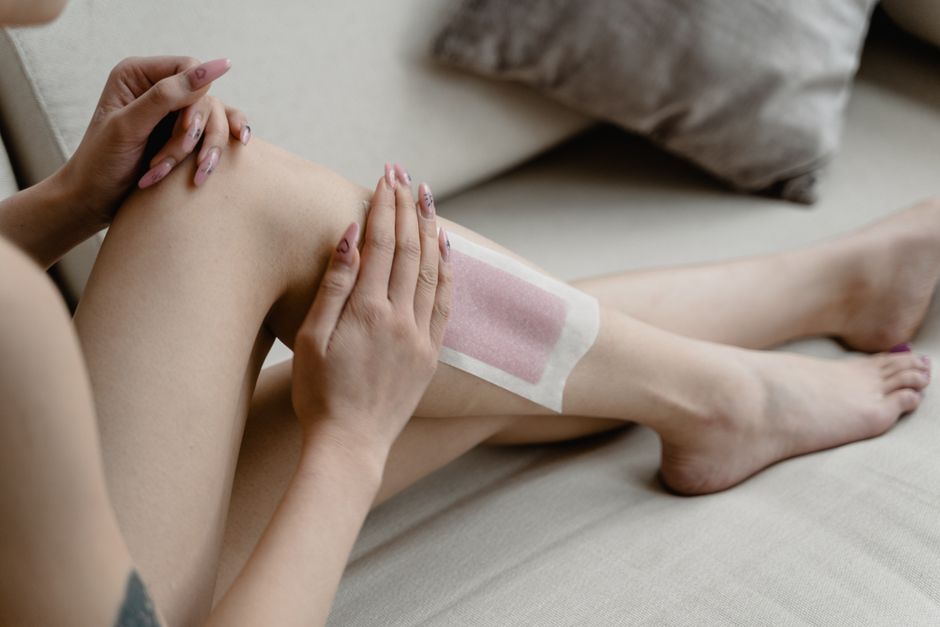
- Waxing pulls hair out from the root. Results can last longer than shaving, often a few weeks. It can be painful, and it can cause ingrown hairs or skin irritation, especially in the underarm crease.
- Depilatory creams dissolve hair above the skin surface using chemicals. They are painless but can irritate sensitive skin, and the results are short-lived. Anyone with sensitive skin should test a small area first.
- Epilators are devices that pull hair out mechanically, similar to waxing. They can be effective but are often painful on the underarms.
These methods are not inferior choices. They are just temporary. For many people, they are entirely sufficient.
Which Method Is Right for Your Skin and Hair?
The best method depends on a few specific factors. Hair color and skin tone are the biggest ones.
| Method | Best for | Duration of results | Permanent? |
|---|---|---|---|
| Laser | Dark hair, lighter skin | Long-term reduction | No (permanent reduction) |
| Electrolysis | All hair colors and skin tones | Permanent | Yes |
| Waxing | Most skin and hair types | Weeks | No |
| Shaving | Everyone | Days | No |
| Depilatory cream | Most skin types (test first) | Days | No |
If you have dark hair and lighter skin, laser is often the most efficient path to long-term reduction. If you have light, gray, or red hair, laser is unlikely to work well because there is not enough pigment for the device to target. Electrolysis is then the better option for a lasting result.
If you have darker skin, ask specifically what type of laser the provider uses and whether they have experience treating your skin tone. Not all lasers are appropriate for all skin types.
What Should You Consider Before Choosing?
Cost, time, and pain tolerance all matter as much as effectiveness.
Laser and electrolysis both require multiple sessions. The total cost adds up. Temporary methods cost far less but need to be repeated indefinitely. Over years, the math can shift, but that depends on how much you spend per session and how many you need.
Pain is another factor. Most people find laser discomfort manageable, often described as a rubber band snapping against the skin. Electrolysis is often described as more uncomfortable because each follicle is treated individually. Waxing is brief but intense.
Provider skill is not a minor detail. For both laser and electrolysis, results and safety depend heavily on who performs the treatment. Look for licensed, experienced providers. Ask about their training and how they handle different skin types. A cheap treatment from an inexperienced operator can cost more in the long run — in burns, scarring, or wasted money.
One thing worth knowing: the underarm area has thinner skin and more folds than many other body areas. That can make it more sensitive to irritation from waxing or creams, and it means technique matters for laser and electrolysis too.
Is There a Method That Works for Everyone?
No. Electrolysis comes closest because it does not depend on hair color or skin tone. But it is slower, often more uncomfortable, and requires more sessions than laser.
Laser is faster and often less painful, but it does not work well on light hair and carries more risk for darker skin tones when performed incorrectly.
Temporary methods work for almost everyone but do not provide lasting results. There is no procedure that is simultaneously fast, painless, permanent, cheap, and effective for all hair and skin types.
The honest answer is that the best procedure is the one that matches your specific hair color, skin tone, budget, and willingness to commit to multiple sessions. For permanent removal across all hair types, electrolysis is the only recognized option. For the most efficient long-term reduction in the right candidate, laser is often the practical choice.
Frequently Asked Questions
Is laser or electrolysis better for underarm hair?
Electrolysis is the only method the FDA recognizes as permanent hair removal and works on all hair colors and skin tones. Laser is faster and often less painful but works best on dark hair and lighter skin and provides permanent reduction, not permanent removal.
Does shaving underarm hair make it grow back thicker?
No. Shaving cuts hair at the surface and does not change the follicle, so hair does not grow back thicker or darker. The blunt cut end can feel coarser as it grows out, but the hair itself is unchanged.
How many laser sessions does it take to remove underarm hair?
The number varies by person, hair type, and device, so no single number applies to everyone. Most people need a series of sessions spaced several weeks apart, and results range from significant reduction to less noticeable change.
Can I do laser hair removal on dark skin?
Yes, but the type of laser and the settings matter a great deal. Certain lasers are designed to be safer for darker skin tones, and choosing an experienced provider who treats your skin type regularly lowers the risk of burns and pigmentation changes.
