
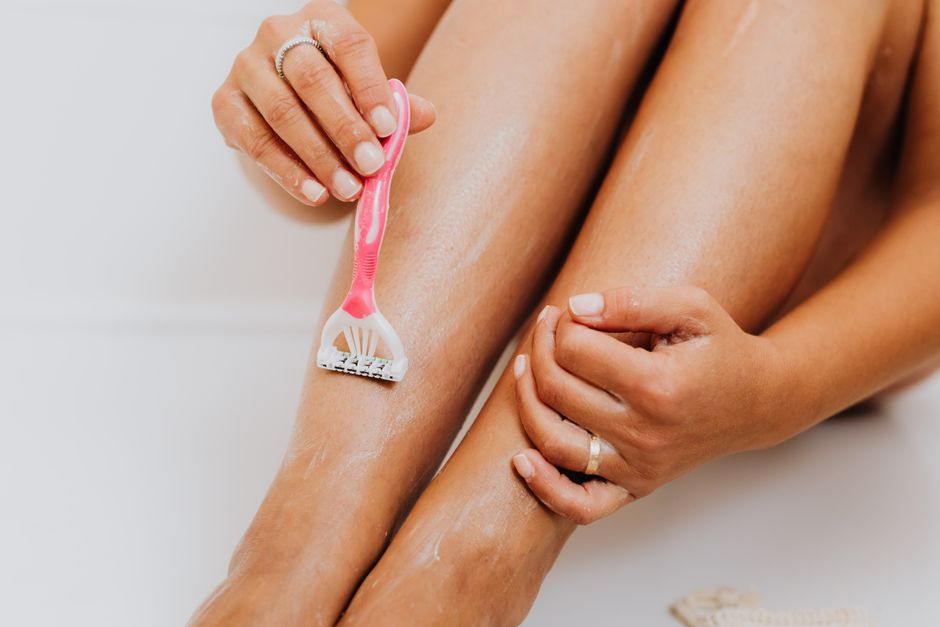
Hair removal creams do not reliably lighten or darken skin. What they can do is cause irritation, and irritated skin often looks red, pink, or darker than usual — especially in people with medium to deep skin tones. The product itself is not a skin lightener or a tanning agent. Any color change you notice after using one is usually a reaction, not a cosmetic effect.
How Do Hair Removal Creams Actually Work?
Depilatory creams break down the protein structure of hair just below the skin’s surface. The active ingredients are usually thioglycolic acid or similar compounds, mixed with a base that raises the product’s pH. At that higher pH, the chemicals break the disulfide bonds that hold keratin together. The hair weakens and dissolves into a soft gel that you wipe away.
That reaction happens in the hair shaft and just at the follicle opening. It does not reach deep enough to affect melanocytes — the cells that produce skin pigment. So the mechanism itself has nothing to do with changing skin color.
What the chemicals can do is irritate the outer layer of skin. That is where color changes come from.
Does Hair Removal Cream Lighten Or Darken Skin?
Neither, in the way most people mean it. Depilatory creams are not formulated to alter pigmentation, and no credible evidence shows they lighten skin tone or produce a tan.
What people often notice is one of two things:
- Redness or pinkness right after use, which fades within hours to a day or two in most cases
- Darkening in the treated area, which can appear days later and last much longer
The darkening is the more common complaint, and it is not the cream “coloring” the skin. It is a response to irritation. When skin is inflamed, it can ramp up melanin production as a protective measure. This is called post-inflammatory hyperpigmentation, or PIH. It shows up as a brown or gray-brown patch that can take weeks or months to fade.
Anyone can develop PIH, but it is more common and often more noticeable in people with medium to deep skin tones. That is because those skin types have more active melanocytes to begin with.
Lightening is far less common. If it happens at all, it is usually temporary and tied to the treated surface layer of skin being slightly irritated or shed. It is not a real change in skin pigment, and it does not last.
Why Does Skin Sometimes Look Darker After Using Hair Removal Cream?
Inflammation is the trigger. The same chemicals that dissolve hair can also disrupt the skin barrier if they stay on too long, sit on sensitive areas, or get applied to skin that is already compromised.
Once the barrier is disturbed, the skin mounts an inflammatory response. Part of that response involves signaling to melanocytes, which then produce more melanin. The result is a darkened patch that appears after the initial redness has settled.
Several things raise the odds of this happening:
- Leaving the cream on longer than the label instructs
- Using it on the face, bikini area, or other thin-skinned zones
- Applying it to skin that is sunburned, freshly shaved, or already irritated
- Using it right before or after sun exposure
- Having a darker skin tone, which increases PIH risk
Sun exposure matters more than most people realize. Freshly treated skin is more vulnerable to ultraviolet damage, and UV light itself stimulates melanin. Combining a depilatory with unprotected sun exposure is a common way to end up with a darkened patch.





Can Hair Removal Cream Cause a Chemical Burn?
Yes. Depilatory creams contain chemicals that are designed to break down protein, and skin is made of protein. Leave one on too long, or use it on the wrong part of the body, and it can cause a chemical burn.
A chemical burn from a depilatory usually looks like a red, raw, stinging patch. In more serious cases it can blister or peel. Burns like this heal with a risk of scarring and long-lasting pigmentation changes, and the color shift can go either direction — darker in most cases, lighter if the burn damages pigment-producing cells.
The label instructions exist for a reason. They are not suggestions. Time limits, patch tests, and warnings about which body areas are safe are there because the product can genuinely injure skin when used incorrectly.
Is the Color Change Permanent?
No. Pigmentation changes from irritation or a mild burn are almost always temporary. The skin replaces its outer layers over time, and the excess pigment fades as that happens.
How long it takes varies a lot. Some people see fading within a few weeks. Others take several months. Deeper skin tones often take longer, and sun exposure during healing can slow things down or make the patch darker.
Permanent color change is possible after a serious burn that damages the deeper layers of skin, but that is not a typical outcome from correct use of a depilatory cream.
How Can You Lower the Risk of Skin Color Changes?
Most problems come from misuse, so the fix is mostly about following the product’s directions exactly and being careful with sensitive areas.
A few practical steps:
- Do a patch test on a small area at least 24 hours before full use, especially the first time
- Never leave the cream on longer than the label says, even if hair is not fully gone
- Keep it away from the face, genitals, and broken or irritated skin unless the label specifically says otherwise
- Rinse thoroughly with cool water and skip harsh scrubbing afterward
- Protect treated skin from sun for several days
- Wait at least a few days between depilatory use and other hair removal methods like shaving or waxing
If you already have a darkened patch, gentle care matters. Avoid more irritation, protect the area from sun, and give it time. Some over-the-counter products claim to fade dark spots, but the evidence for most of them is limited, and results vary. A dermatologist can discuss options if the patch bothers you or does not fade.
Is Depilatory Cream Right for Everyone?
No. Some people should avoid it or check with a doctor first.
People with eczema, psoriasis, or other inflammatory skin conditions may find depilatories trigger flares. Anyone with a history of keloids or severe post-inflammatory hyperpigmentation has a higher chance of a lasting mark. And anyone who has had a reaction to a depilatory before should not use one again.
There is also a real gap in the evidence for some groups. No clinical guidelines currently exist for using depilatory creams on infants or young children, and they are generally not recommended for that age group. For pregnant women, the ingredients are not considered systemically absorbed in meaningful amounts, but skin can be more sensitive during pregnancy, so reactions may be more likely.
If you are unsure whether a depilatory is safe for your skin, a dermatologist is the right person to ask.
Frequently Asked Questions
Does hair removal cream lighten skin?
No, it is not designed to lighten skin, and there is no reliable evidence it does. Any lightening you notice is usually temporary and tied to surface irritation, not a real change in pigment.
Why did my skin get darker after using hair removal cream?
Darkening is usually post-inflammatory hyperpigmentation, a response to irritation from the cream. It appears as a brown patch and can take weeks to months to fade, especially in darker skin tones.
Is the darkening from hair removal cream permanent?
No, it is almost always temporary. The skin gradually sheds the excess pigment over time, though sun exposure during healing can slow the process or make the patch darker.
Can hair removal cream burn your skin?
Yes. Leaving it on too long or using it on sensitive areas can cause a chemical burn, which may blister and lead to scarring or lasting color changes. Following the label instructions lowers this risk.
