
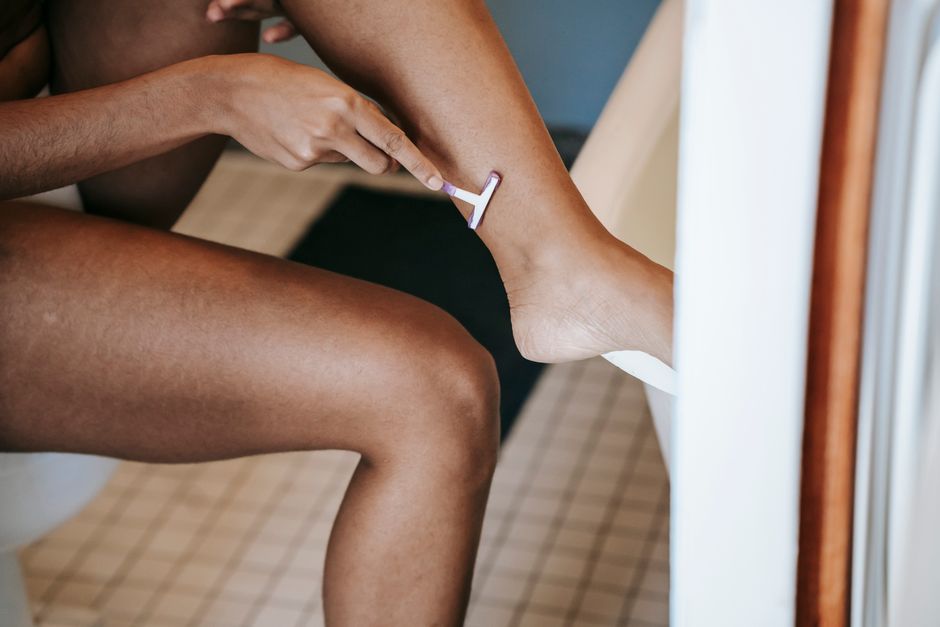
Cold wax hair removal uses a thick wax applied at room temperature and peeled off without heating. Its main benefits are lower burn risk and easier use for people with sensitive or reactive skin. Its main drawbacks are that it can tug more on hair, may not grip very short or very coarse hair as well as warm wax, and results still vary by technique and hair type.
If you have ever winced at the idea of dripping hot wax near delicate skin, cold wax sounds like a simple fix. It is a real product category, not a marketing invention, but it comes with honest trade-offs. This guide explains how it works, who tends to do well with it, and where it falls short compared with other methods.
What Is Cold Wax Hair Removal?
Cold wax is a depilatory wax formulated to be spreadable at room temperature or with minimal warming. It usually comes as a pre-coated strip, a jar of soft paste, or a roll-on applicator. You press it onto the skin in the direction of hair growth, then pull it off quickly against the growth direction.
The key difference from warm or hot wax is temperature. Warm wax is heated until it flows, then allowed to cool slightly before application. Cold wax skips that step. Some products are genuinely used straight from the container. Others are “low-temperature” waxes that benefit from brief warming to improve spreadability, even though they are marketed as cold.
All waxing works on the same basic principle. The wax adheres to hair shafts and, to some degree, to the top layer of dead skin cells. When it is removed, the hair is pulled out from the follicle rather than cut at the surface. Because the hair is removed below the skin surface, regrowth takes longer than shaving. That is true of cold wax as well, though the grip on the hair can differ.
What Are the Benefits of Cold Wax Hair Removal?
The most consistent advantage is a lower risk of heat-related burns. Hot wax that is overheated can cause serious burns, and burns from waxing are a documented reason people seek medical care. Cold wax removes that specific hazard because there is no hot pot involved.
Other commonly cited benefits include:
- Convenience. No melting, no thermometer, no waiting. Useful for travel or quick touch-ups.
- Less mess for beginners. Pre-coated strips are hard to over-apply.
- Potentially gentler for reactive skin. Without heat, there is less chance of heat-triggered redness in some people.
- Lower upfront cost. Cold wax kits are often cheaper than a wax warmer setup.
One clarification worth making: cold wax is not automatically “gentler” on the skin overall. The pulling force is the same or greater, and that mechanical tug is what causes most discomfort and irritation, not the temperature. So the burn-risk benefit is real, but the “gentle” claim depends on what you mean.
What Are the Drawbacks of Cold Wax Hair Removal?
The biggest practical drawback is grip. Cold wax is firmer and less pliable than warm wax. That means it may not wrap around and hold coarse or tightly curled hair as effectively. When the wax does not fully surround the hair, it can break the hair mid-shaft instead of removing it from the root. Broken hairs mean faster regrowth and a rougher feel.
Other drawbacks:
- More pulling sensation. Because the wax is stiffer, removal can feel sharper, especially on sensitive areas.
- Inconsistent results on short hair. Cold wax generally needs a certain hair length to grab. Very short stubble is often a poor match.
- Residue. Some formulas leave a sticky film that needs oil or a dedicated remover.
- Harder on large areas. Doing a full leg or back with small strips is slow.
- Not sterile by default. Reusing strips or double-dipping into a shared jar can spread bacteria.
There is also a misconception to clear up. Cold wax is not painless. It is often described that way in marketing, but the discomfort comes from the hair being pulled from the follicle, and that happens regardless of wax temperature. If anything, a stiffer wax can pull harder.
Cold Wax vs Warm Wax vs Hot Wax: How Do They Compare?
These three are not interchangeable, and the differences matter for results and safety.
| Type | Application temperature | Best for | Main risk |
|---|---|---|---|
| Cold wax | Room temperature | Small areas, quick use, travel | Hair breakage, weaker grip |
| Warm wax | Heated, then cooled | Large areas, most hair types | Skin irritation, minor burns if too hot |
| Hot wax | Heated to higher temperature | Coarse, stubborn hair | Burns, especially on thin skin |
Warm wax is the middle ground most salons use. It spreads well, grips hair reliably, and cools on the skin. Hot wax, sometimes called hard wax, is applied warmer and removed without a strip. It is often chosen for coarse hair because it shrinks around the hair as it cools, gripping firmly.
Cold wax sits at the convenience end of the spectrum. It trades some grip and speed for safety and simplicity. For someone doing a small area at home, that trade can be worth it. For a full Brazilian or a large back, most people get better results with warm or hot wax, ideally from a trained professional.
Who Should Avoid Cold Wax Hair Removal?
Waxing of any kind, including cold wax, is not appropriate for everyone. You should avoid it, or check with a clinician first, if any of the following apply:
- You are taking prescription acne medication such as isotretinoin. Skin is fragile during and after treatment, and waxing can cause tearing.
- You use topical retinoids, strong acids, or exfoliants on the area. These thin the skin and raise the risk of injury.
- You have active eczema, psoriasis, cold sores, or a skin infection in the area.
- You have diabetes with poor wound healing or circulation problems in the legs.
- You are using blood thinners or have a bleeding disorder.
- You have recently had cosmetic procedures or radiation on the area.
If you are pregnant, skin can be more sensitive and reactive, so patch testing first is reasonable. For children, waxing is generally not recommended, and no clinical guidelines set a safe age or method for hair removal in young children. That decision belongs with a pediatric clinician.
How Do You Use Cold Wax Safely?
Technique matters more than the product. Poor technique causes most of the irritation, ingrown hairs, and breakage people blame on the wax itself.
A reasonable approach:
- Do a patch test on a small area at least 24 hours before a full application.
- Clean and dry the skin. Moisture interferes with adhesion.
- Let hair grow to a workable length. Very short hair is hard for cold wax to grip.
- Apply in the direction of hair growth, press firmly, and pull off quickly against the growth.
- Hold skin taut to reduce pulling.
- Apply a soothing, fragrance-free product afterward. Avoid harsh exfoliants for a day or two.
- Do not wax over the same spot repeatedly in one session.
Watch for signs of infection — increasing pain, pus, spreading redness, or fever — and seek medical care if they appear. Ingrown hairs are common after any waxing and usually resolve on their own, but persistent or infected ones need attention.
Does Cold Wax Last as Long as Other Methods?
Regrowth timing depends on your hair’s growth cycle, not the wax temperature. Waxing removes hair from the follicle, so results typically last longer than shaving, which only cuts hair at the surface. Most people see regrowth within a few weeks, though this varies widely by individual and body area.
Because cold wax can break hair more often, regrowth may appear sooner in some cases. If the hair is snapped rather than pulled from the root, it is essentially a short hair that will grow back faster. That is the main reason some people find cold wax results disappointing compared with warm wax.
Over repeated sessions, many people notice hair grows back finer and sparser. This is a commonly reported experience, but the degree varies, and it is not a permanent reduction in the way laser treatment aims to be.
Frequently Asked Questions
Is cold wax better than warm wax?
Not better overall, just different. Cold wax is safer in terms of burn risk and more convenient, while warm wax generally grips hair better and works faster on large areas.
Does cold wax hurt more than hot wax?
It can feel sharper because the stiffer wax pulls harder on the hair. Discomfort depends mostly on hair coarseness, area, and technique rather than temperature alone.
Can you use cold wax on your face?
Some cold wax products are designed for facial use, but facial skin is thinner and more reactive. Patch test first, and avoid it if you use retinoids or have active skin irritation.
How long does cold wax hair removal last?
Regrowth usually appears within a few weeks, similar to other waxing methods, though broken hairs can return sooner. Timing varies by person and body area.
