
Gluten is a protein found naturally in wheat, barley, and rye. For most people, eating gluten is harmless. But for those with celiac disease, a wheat allergy, or gluten sensitivity, knowing which foods contain gluten is essential for staying healthy. The simplest rule is this: if a food is made from wheat, barley, or rye, it contains gluten. That includes bread, pasta, cereal, and many baked goods. But gluten also hides in less obvious places like sauces, soups, and processed meats.
What Exactly Is Gluten?
Gluten is the main storage protein in wheat, barley, and rye. It acts like a glue that holds food together. That is where the name comes from — the Latin word for glue is gluten. When flour is mixed with water, gluten forms a stretchy network. This is what gives bread its chewy texture and helps it rise.
Gluten is not one single protein. It is a combination of two protein groups: gliadin and glutenin in wheat, and similar proteins in barley and rye. All three grains contain forms of gluten that can trigger reactions in sensitive people.
Oats are a different plant entirely. They do not naturally contain gluten. However, oats are often contaminated with wheat during growing or processing. If you are strictly gluten-free, look for oats labeled gluten-free.
Which Foods Contain Gluten?
The most obvious sources of gluten are foods made directly from wheat, barley, or rye flour. These include bread, rolls, bagels, tortillas, pasta, noodles, crackers, cookies, cakes, muffins, pancakes, waffles, and most breakfast cereals. Beer is also a major source because barley is a primary ingredient.
Beyond the obvious, gluten appears in many processed foods where you might not expect it. Sauces and gravies often use wheat flour as a thickener. Soy sauce is traditionally brewed with wheat. Many salad dressings, marinades, and spice blends contain gluten as a filler or stabilizer. Soups, especially canned or restaurant soups, frequently use flour or barley in their base.
Processed meats like sausages, hot dogs, and deli meats can contain gluten as a binder. Imitation crab meat, often called surimi, contains wheat starch. Some ice creams, chocolate bars, and candies include gluten as a thickener. Even some medications and vitamins use wheat starch as a filler.
Here is a quick list of common gluten-containing foods:
- All breads and baked goods made with wheat, barley, or rye flour
- Pasta, couscous, and noodles made from wheat
- Cereal, granola, and muesli containing wheat or barley malt
- Crackers, pretzels, and snack chips made from wheat
- Beer and malt beverages
- Soy sauce and teriyaki sauce
- Soups, broths, and gravies thickened with flour
- Sausages, hot dogs, and breaded meats
- Many salad dressings and marinades
- Cake mixes, pie crusts, and pizza dough
Hidden Sources of Gluten in Everyday Foods
Gluten is a versatile ingredient. Food manufacturers use it to thicken, bind, coat, and stabilize products. This means it can show up in surprising places. Oatmeal is naturally gluten-free, but many brands process oats on the same equipment as wheat. The same is true for some rice cereals and corn products.
French fries are a common trap. Potatoes are gluten-free, but many restaurants fry them in the same oil as breaded chicken or onion rings. That shared oil can transfer gluten to the fries. Even a gluten-free food can become unsafe through cross-contact during preparation.
Some other hidden sources include:
- Licorice and some chewing gums
- Mustard and some ketchups
- Instant coffee and flavored coffee drinks
- Protein bars and meal replacement shakes
- Baked beans and some canned chili
- Flavored potato chips and tortilla chips
- Communion wafers
- Lip balms and lipsticks that contain wheat derivatives
- Play-Doh and some other children’s modeling compounds
Reading ingredient labels is the only reliable way to catch these hidden sources. In the United States, the Food Allergen Labeling and Consumer Protection Act requires packaged foods to clearly state if they contain wheat. However, barley and rye are not covered by the same labeling law. This means barley malt, barley flour, or rye flour can appear in an ingredient list without a clear allergen warning.



Naturally Gluten-Free Foods You Can Eat Freely
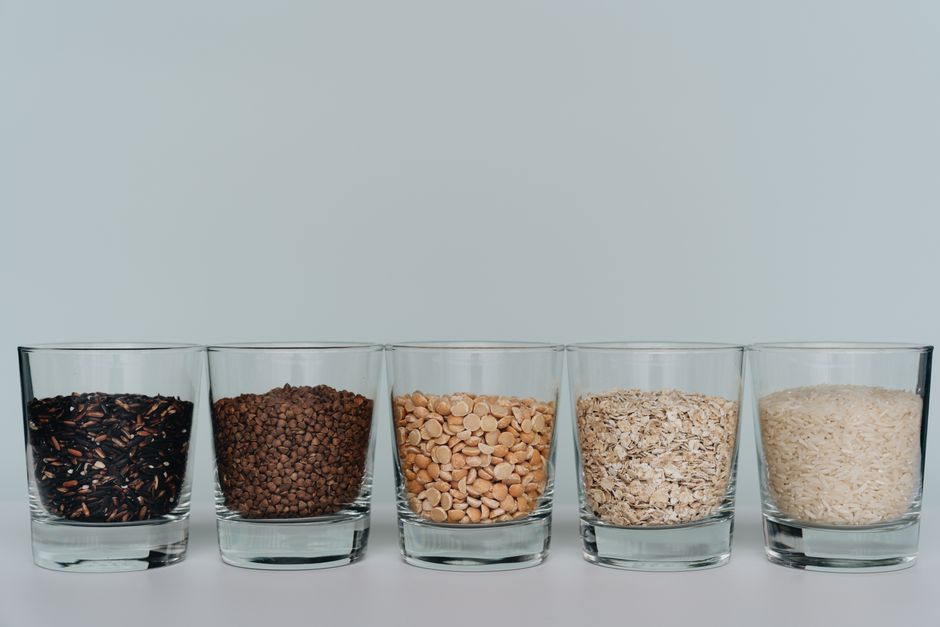
Many whole foods contain no gluten at all. Fruits and vegetables are naturally gluten-free. Fresh meat, poultry, fish, and eggs are gluten-free. Dairy products like milk, cheese, and plain yogurt are gluten-free. Rice, corn, quinoa, millet, buckwheat, amaranth, and sorghum are all gluten-free grains. Potatoes, sweet potatoes, and beans are safe too.
The key is that these foods must not be processed with gluten-containing ingredients. Plain rice is safe. A packaged rice pilaf mix is not. Fresh chicken is safe. Breaded chicken nuggets are not. Plain oats are safe, but only if the package says gluten-free, because of cross-contamination during farming and milling.
Nuts and seeds are naturally gluten-free. But trail mixes and flavored nuts often contain wheat starch or soy sauce, which contains wheat. Check labels on all packaged foods, even those that seem obviously safe.
How to Read Food Labels for Gluten
Learning to read labels is the most important skill for anyone avoiding gluten. Look for the word “wheat” in the ingredient list or in the allergen statement. This is required by law on packaged foods sold in the United States. If a product contains barley or rye, you must check the ingredient list yourself. Words to watch for include barley, barley malt, malt extract, malt flavoring, rye, triticale, and wheat in any form.
Some foods are labeled gluten-free. The FDA regulates this claim. A product labeled gluten-free must contain less than 20 parts per million of gluten. This level is considered safe for most people with celiac disease. However, the gluten-free label is voluntary. Some products that contain no gluten ingredients do not carry the label.
Be cautious with terms like “wheat-free.” This does not mean gluten-free. A product can be free of wheat but still contain barley or rye. The only reliable way to know is to read the full ingredient list.
Gluten in Restaurants and Cross-Contamination Risks
Eating out requires extra care. Even if you order a salad or grilled chicken, cross-contamination can occur. Shared fryers, cutting boards, toasters, and cooking surfaces can transfer gluten to otherwise safe foods. A gluten-free bun toasted in the same toaster as regular bread will pick up gluten particles.
Some restaurants have dedicated gluten-free menus and separate preparation areas. Others do not. When in doubt, ask the server or chef directly. Questions like “Is the fryer dedicated to gluten-free items?” and “Do you use the same water to cook pasta?” can reveal hidden risks.
Sauces and marinades in restaurants are common sources of gluten. Many chefs thicken sauces with flour. Soy sauce is a staple in many kitchens. Even a simple vinaigrette may contain malt vinegar, which is made from barley.
What to Do If You Accidentally Eat Gluten
If you have celiac disease or gluten sensitivity and accidentally eat gluten, you may experience symptoms. These can include abdominal pain, bloating, diarrhea, fatigue, and headaches. For people with celiac disease, even small amounts of gluten can trigger an immune response that damages the small intestine.
There is no treatment for accidental gluten exposure beyond waiting for symptoms to pass. Drinking extra water and resting can help. Some people find that a bland diet helps settle their stomach. If symptoms are severe or persistent, contact your healthcare provider.
If you suspect you have celiac disease or gluten sensitivity, do not start a gluten-free diet before seeing a doctor. The tests for celiac disease require you to be eating gluten. If you stop eating gluten before testing, the results can be falsely negative. Talk to your doctor first.
Frequently Asked Questions
Does oatmeal contain gluten?
Oats are naturally gluten-free, but most commercial oats are contaminated with wheat during processing. Only buy oats specifically labeled gluten-free if you must avoid gluten.
Is rice gluten-free?
Yes, all varieties of plain rice are naturally gluten-free, including white, brown, wild, and jasmine rice. Flavored rice mixes often contain gluten, so check the label.
Does cheese contain gluten?
Natural cheese is gluten-free, but some processed cheese products and cheese sauces contain wheat starch or other gluten ingredients. Check the label on packaged cheese spreads and sauces.
Can I eat french fries on a gluten-free diet?
Plain potatoes are gluten-free, but restaurant french fries are often fried in shared oil with breaded items. Ask if the fryer is dedicated to gluten-free foods before ordering.
