
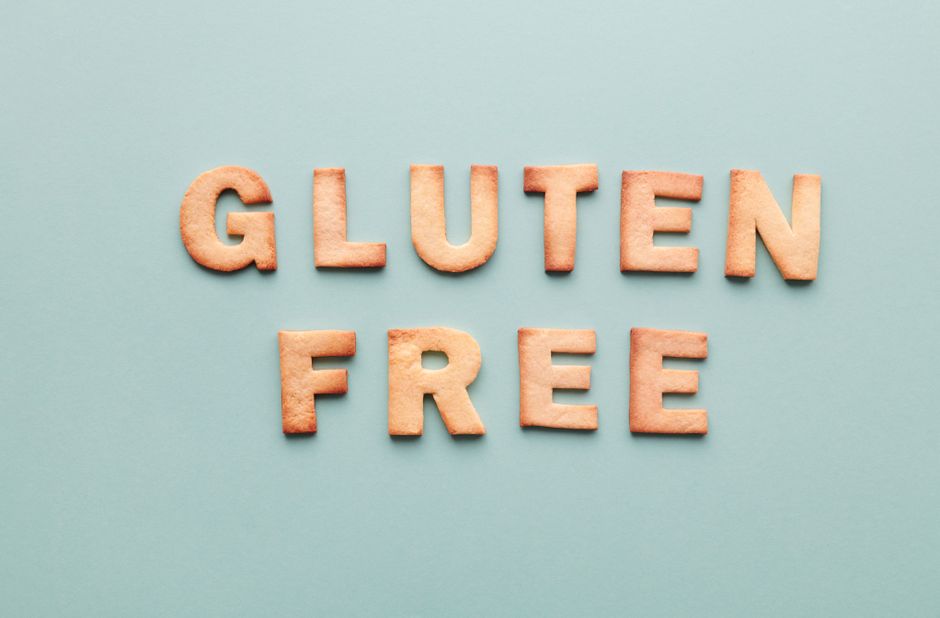
A gluten-free diet means removing all foods that contain gluten, which is a protein found in wheat, barley, and rye. This includes breads, pastas, cereals, and many processed foods made with these grains. People follow this diet either because they have celiac disease, a wheat allergy, or non-celiac gluten sensitivity, or simply because they want to see if it improves their health.
What Does A Gluten Free Diet Consist Of?
A gluten-free diet consists of naturally gluten-free whole foods like fruits, vegetables, meat, poultry, fish, eggs, dairy, beans, legumes, nuts, and seeds. It also includes grains that are safe for people avoiding gluten, such as rice, corn, quinoa, oats (labeled gluten-free), millet, sorghum, and buckwheat.
You can eat potatoes, sweet potatoes, and other starchy vegetables without worry. Oils, butter, and most condiments are fine as long as they are not cross-contaminated. Plain yogurt, milk, and cheese are naturally gluten-free, though flavored varieties sometimes contain gluten as a thickener.
The tricky part is that gluten hides in many processed foods where you would not expect it. Soy sauce, salad dressings, soups, marinades, and even some spice blends often contain wheat-based ingredients. Reading labels becomes a daily habit.
Which Grains Are Safe and Which Are Not?
Safe grains include rice (all types), corn, quinoa, amaranth, buckwheat, millet, sorghum, teff, and certified gluten-free oats. Oats themselves do not contain gluten, but they are frequently contaminated during growing or processing. Only buy oats labeled “gluten-free” to be safe.
Unsafe grains include wheat in all its forms — spelt, durum, farro, semolina, bulgur, and triticale — as well as barley and rye. These grains contain gluten proteins that trigger immune reactions in people with celiac disease.
Many people are surprised to learn that wheat is added to some unexpected products. Certain brands of licorice, soy sauce, imitation crab meat, and even some ice creams use wheat as a filler. A good rule is to check the ingredient list on everything you buy for at least the first few months.
What Foods Do You Need to Avoid?
The obvious foods to avoid are bread, pasta, crackers, cookies, cakes, pastries, and breakfast cereals made from wheat, barley, or rye. Beer is also made from barley unless it is specifically labeled gluten-free. Most flour tortillas, pizza crusts, and sandwich buns contain wheat.
Less obvious sources include:
- Soy sauce and teriyaki sauce (most contain wheat)
- Certain salad dressings and marinades
- Some canned soups and broths
- Processed meats like sausages and hot dogs (some use wheat as a binder)
- Seasoning blends and spice mixes
- Certain medications and supplements (wheat starch is sometimes used as a filler)
- Communion wafers (traditionally made from wheat)
- Some lip balms and lipsticks
Cross-contamination is a real concern, especially in restaurants. French fries cooked in the same oil as breaded chicken, or a cutting board used for regular bread then reused for a gluten-free sandwich, can transfer enough gluten to cause symptoms in someone with celiac disease.




Does a Gluten-Free Diet Help with Weight Loss?
Many people assume a gluten-free diet is healthier or helps with weight loss. The evidence does not support this for people without celiac disease or gluten sensitivity. Research published in the Journal of the Academy of Nutrition and Dietetics found that gluten-free packaged foods often contain more sugar, fat, and calories than their gluten-containing counterparts.
The reason some people lose weight on this diet is that they naturally cut out many processed foods like cookies, cakes, and fast food. They replace those with whole foods like vegetables, lean proteins, and fruits. The weight loss comes from eating fewer processed calories, not from removing gluten itself.
If you switch from regular bread to gluten-free bread, you are not necessarily making a healthier choice. Many gluten-free breads are made from refined rice starch and tapioca flour with added sugar and gums to improve texture. They can be less nutritious than whole wheat bread.
What Are the Nutritional Risks of a Gluten-Free Diet?
Going gluten-free without guidance can lead to nutrient deficiencies. Wheat products are a major source of B vitamins, iron, folate, and fiber in the standard American diet. When you remove them, you need to get these nutrients from other sources.
Fiber is often the biggest concern. Many gluten-free grains are low in fiber compared to whole wheat. People on this diet often eat less fiber than recommended, which can lead to constipation and other digestive issues. Good fiber sources on a gluten-free diet include beans, lentils, chia seeds, flaxseeds, almonds, and vegetables like broccoli and Brussels sprouts.
Iron deficiency is also common, especially in women. Wheat flour in the US is fortified with iron, but most gluten-free flours are not. Red meat, spinach, lentils, and fortified gluten-free cereals can help fill this gap. The Celiac Disease Foundation recommends working with a registered dietitian when starting this diet to prevent deficiencies.
How Do You Start a Gluten-Free Diet Safely?
The first step is to get tested for celiac disease before removing gluten from your diet. The blood test for celiac disease requires you to be eating gluten for at least six to eight weeks beforehand. If you stop eating gluten before the test, the results will be inaccurate. This is a common mistake that leads to missed diagnoses.
Once you have been tested, start by eating naturally gluten-free whole foods for the first week. Build meals around proteins, vegetables, fruits, and safe grains. This approach is simpler than trying to find gluten-free versions of everything you used to eat.
After you feel comfortable, you can add in gluten-free packaged foods like breads, pastas, and crackers. Look for products made from whole grain gluten-free flours like brown rice flour, almond flour, or oat flour rather than refined starch blends. The ingredient list tells you more than the “gluten-free” label on the front.
Here is a simple comparison of common foods and their gluten-free alternatives:
| Food | Standard Version | Gluten-Free Option |
|---|---|---|
| Pasta | Wheat pasta | Rice, corn, quinoa, or lentil pasta |
| Bread | Wheat bread | Gluten-free bread (check ingredients for whole grains) |
| Soy sauce | Wheat-based soy sauce | Tamari or coconut aminos |
| Oats | Regular oats (often contaminated) | Certified gluten-free oats |
| Flour | All-purpose wheat flour | Almond, coconut, rice, or chickpea flour |
Common Misconceptions About the Gluten-Free Diet
One widespread myth is that a gluten-free diet is automatically healthier. This is not true for most people. The diet is a medical treatment for celiac disease and a necessary change for people with gluten sensitivity. For everyone else, it offers no proven health benefits and may reduce nutrient intake.
Another misconception is that “gluten-free” on a label means the food is low in carbs or sugar. Gluten-free cookies are still cookies. They often have the same amount of sugar and more fat than regular cookies. The gluten-free label only tells you about the absence of gluten, not about overall nutritional quality.
Some people believe that a small amount of gluten is harmless if you have celiac disease. Research shows that even tiny amounts — as little as 10 to 50 milligrams per day — can cause intestinal damage in people with celiac disease. That is about one one-hundredth of a slice of bread. Strict avoidance is essential, not optional.
The idea that everyone should try a gluten-free diet for a few weeks to “detox” is not supported by evidence. Your body does not need to detox from gluten unless you have a specific medical condition that makes you react to it. For most people, wheat is a nutritious whole grain that provides fiber, vitamins, and minerals.
Frequently Asked Questions
Can I eat rice on a gluten-free diet?
Yes, all types of rice are naturally gluten-free, including white, brown, wild, jasmine, and basmati rice.
Is oatmeal gluten-free?
Oats are naturally gluten-free but are often contaminated during processing, so only eat oats labeled “certified gluten-free.”
Can I drink alcohol on a gluten-free diet?
Wine, hard cider, and distilled spirits like vodka and whiskey are gluten-free, but beer and malt beverages contain barley and are not safe.
Do I need to avoid all wheat products on a gluten-free diet?
Yes, all forms of wheat, including spelt, farro, durum, semolina, and bulgur, must be avoided on a strict gluten-free diet.
