
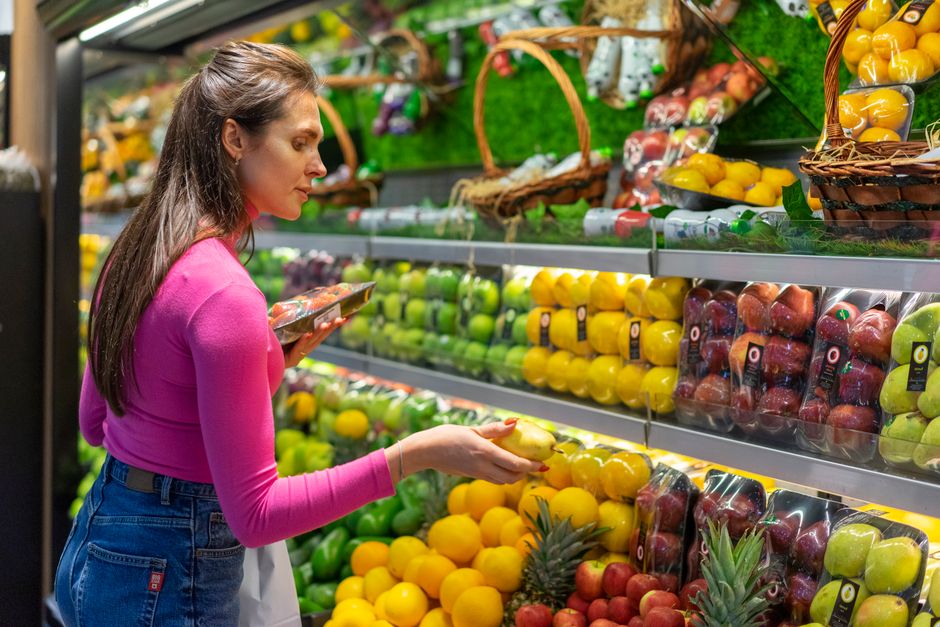
Finding food without artificial dyes takes more effort than a normal grocery run, but it is getting easier. Natural food stores, online retailers, and even mainstream supermarkets now stock dye-free options. The key is knowing which stores to check and which brands to trust. This guide covers where to shop, what to look for, and which brands consistently avoid synthetic colors.
Which Stores Carry the Most Dye-Free Food?
Whole Foods Market has the strongest track record. Their quality standards prohibit artificial colors, flavors, and preservatives in the food they sell. This applies to their own 365 brand and to most national brands they stock. If you walk into a Whole Foods, nearly every packaged product on the shelf is free of synthetic dyes.
Sprouts Farmers Market and Natural Grocers are close behind. Both stores carry extensive dye-free selections. Natural Grocers goes further by banning artificial ingredients across all their private label products. They also screen the national brands they stock against a strict ingredient policy.
Trader Joe’s does not use artificial dyes in their private label products. Since most of their store is private label, the vast majority of items are dye-free. The notable exception is some imported candy and snacks, so check labels on those.
For mainstream supermarkets, look for the organic section. Organic certification prohibits synthetic dyes, so any certified organic packaged food is automatically dye-free. Kroger, Safeway, and Walmart all carry organic sections that are reliably safe choices.
What About Online Retailers?
Thrive Market is the strongest online option. They sell only non-GMO products and screen for artificial ingredients including synthetic dyes. Their private label line is dye-free, and they carry many of the same brands found at Whole Foods.
Amazon works well if you know what you are looking for. The challenge is that Amazon sells everything, including heavily dyed products. Search for specific dye-free brands rather than general terms like “candy” or “snacks.” Amazon’s Subscribe and Save can lower costs on staple items you buy regularly.
Vitacost and iHerb both carry health-focused brands that avoid artificial colors. Their search filters let you exclude products with synthetic dyes. Both sites run frequent sales, which helps offset shipping costs.
Direct brand websites are worth checking for bulk purchases. Many dye-free brands sell cases directly to consumers at better prices than retail stores.
Which Brands Consistently Avoid Artificial Dyes?
Annie’s Homegrown is one of the most reliable brands for dye-free packaged food. Their mac and cheese, fruit snacks, crackers, and cookies all avoid synthetic colors. They use fruit and vegetable juices for color instead.
YumEarth makes candy that is free of artificial dyes. Their gummy bears, lollipops, and fruit snacks are colored with fruit extracts. They are widely available at Target, Walmart, and most grocery chains.
Enjoy Life Foods produces allergen-free snacks without artificial dyes. Their soft-baked cookies, protein bites, and chocolate bars are safe choices. They also avoid the top common allergens, which helps families managing multiple food restrictions.
MadeGood makes granola bars and snacks without artificial colors. Their products are common in school-safe snack lists because they are free of dyes, nuts, and other common allergens.
Organic Valley and Stonyfield make dairy products without artificial dyes. Their yogurts use fruit for flavor and color. This matters because many conventional yogurts add synthetic dyes to achieve bright colors.
For cereals, look at Cascadian Farm and Nature’s Path. Both brands avoid artificial dyes across their product lines. Barbara’s also makes dye-free cereals, though check individual products because some contain caramel color, which is not a synthetic dye but may be a concern for some families.



What Should You Look For on Ingredient Labels?
Artificial dyes appear on ingredient lists under specific names. The most common are Red 40, Yellow 5, Yellow 6, Blue 1, Blue 2, Green 3, and Red 3. These are synthetic colors derived from petroleum.
You may also see them listed by their full chemical names. Red 40 is also called Allura Red. Yellow 5 is Tartrazine. Yellow 6 is Sunset Yellow. If you see any of these names, the product contains synthetic dye.
Some products list “artificial colors” without naming the specific dye. This is still a red flag. The FDA requires color additives to be listed by name, but some products use vague language on the front of the package while listing specifics in the ingredient panel. Always check the ingredient panel, not the front label.
Be aware that caramel color is not the same as synthetic dye. It is made by heating sugar and is classified as a color additive but not a synthetic dye. Some families choose to avoid it anyway, but it is technically different from Red 40 or Yellow 5.
Titanium dioxide is used as a white colorant in some foods. It is not a synthetic dye in the traditional sense, but it is an additive used for color. Some brands use it in frosting, candies, and sauces.
How Do You Find Dye-Free Options at Regular Grocery Stores?
Shop the perimeter of the store first. Fresh produce, meat, dairy, and bakery items rarely contain synthetic dyes. The risk is concentrated in the center aisles where packaged foods live.
In the packaged food aisles, focus on organic products. Organic certification bans synthetic dyes, so the organic version of any product is automatically dye-free. This is the simplest rule for mainstream stores.
Read the ingredient panel on everything else. Do not rely on front-of-package claims. A product can say “natural” and still contain synthetic dyes. The word “natural” has no regulatory meaning for color additives.
Check the candy aisle carefully. This is where most synthetic dyes hide. Many mainstream candies use Red 40 and Yellow 5. Look for brands that advertise “no artificial colors” or check the organic section for alternatives.
Frozen foods are another common source. Fruit bars, ice cream, and frozen desserts often contain synthetic dyes. Check the ingredient list on frozen treats before buying.
Are Natural Food Dyes Safe Replacements?
Natural food dyes come from plant sources. Beet juice provides red. Turmeric provides yellow. Spirulina provides blue and green. Annatto provides orange. These are used by brands like Annie’s, YumEarth, and many organic food companies.
These natural colors are generally recognized as safe by the FDA. They are derived from foods people already eat. The main downside is that they fade faster than synthetic dyes and can be less stable in certain conditions.
Some research has raised questions about synthetic dyes and behavior in children. A 2007 study published in The Lancet found that certain artificial colors were associated with increased hyperactivity in children. This study was influential, but the evidence is not conclusive. The FDA has reviewed the research and has not banned synthetic dyes, though they require labeling so consumers can make informed choices.
If you are considering removing dyes from your family’s diet for behavioral reasons, know that the evidence is mixed. Some studies show a connection, others do not. Many parents report improvements after removing dyes, but this is not the same as clinical proof. Talk to your pediatrician if you have specific concerns about your child’s behavior.
Where To Buy Dye Free Food Stores Brands Tips for Budget Shoppers
Dye-free food costs more than conventional options. Organic certification and natural ingredients add to production costs. But there are ways to manage the budget.
Buy store brands at natural food stores. Whole Foods 365, Sprouts brand, and Natural Grocers brand all avoid synthetic dyes and cost less than national brands.
Buy in bulk when possible. Dye-free snacks like crackers, cereal, and dried fruit have long shelf lives. Buying larger quantities reduces the per-unit cost.
Use online subscription services. Thrive Market and Amazon Subscribe and Save offer discounts on recurring orders. This works well for staples you buy every month.
Check for sales and coupons. Natural food brands frequently run promotions. Sign up for brand newsletters to get notified about discounts.
Focus your spending where it matters most. If you are trying to reduce dye intake, prioritize the foods your family eats most often. A dye-free version of a daily snack matters more than a dye-free version of a treat you buy twice a year.
Frequently Asked Questions
What foods contain the most artificial dyes?
Candy, sugary cereals, fruit snacks, sports drinks, and frozen desserts are the most common sources. Brightly colored processed foods almost always contain synthetic dyes.
Is organic food always dye-free?
Yes. Organic certification prohibits synthetic dyes, so any certified organic packaged food is free of artificial colors.
Are natural food dyes safer than synthetic ones?
Natural dyes from plant sources are generally recognized as safe, but the evidence on synthetic dyes is mixed. The FDA has not banned synthetic dyes and requires them to be listed on ingredient labels.
Can you remove artificial dyes from your diet completely?
Yes, but it requires reading every ingredient label. Dyes appear in unexpected places like pickles, rice mixes, and some breads.
