
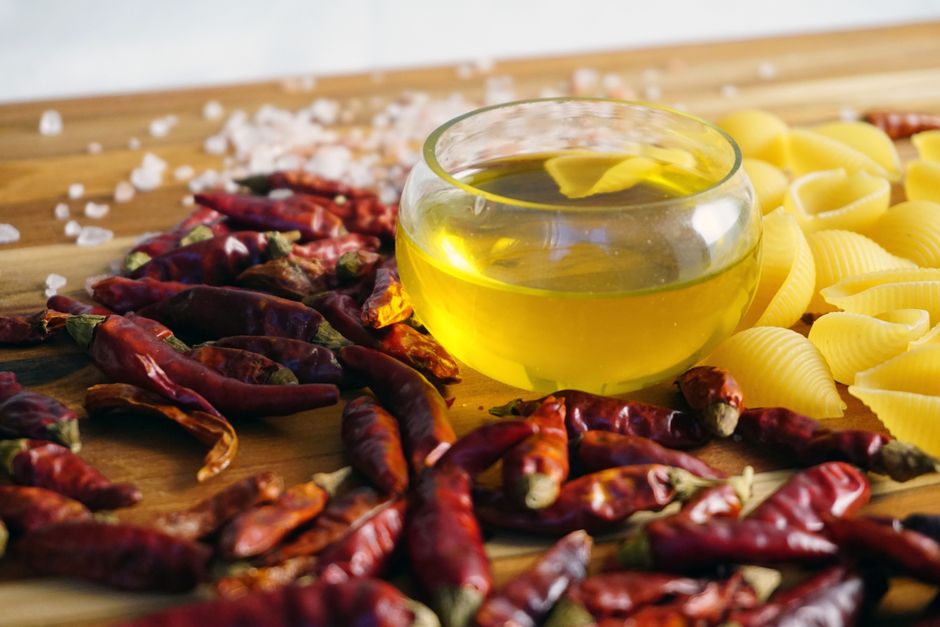
Spicy food does not cause a urinary tract infection. Bacteria cause UTIs. But spicy food can irritate your bladder and urethra, which can feel a lot like a UTI. That confusion is common, and it is worth understanding the difference.
The burning sensation after eating spicy food happens in your urinary tract, not your kidneys. Capsaicin, the compound that makes chili peppers hot, leaves your body through your urine. When it does, it can irritate sensitive tissue along the way. That irritation can make you feel like you have an infection when you do not.
What Actually Causes a Urinary Tract Infection?
Bacteria cause urinary tract infections. Most often, the bacteria are E. coli, which normally live in your intestines. When these bacteria travel to your urethra and bladder, they multiply and cause an infection.
The infection triggers inflammation. Your bladder lining swells. Your urethra becomes sensitive. Your body sends white blood cells to fight the bacteria. That process creates the classic UTI symptoms: burning when you urinate, frequent urges to go, and pelvic pressure.
Spicy food cannot create bacteria. It cannot introduce E. coli into your urinary tract. It does not change the acidity of your urine enough to kill bacteria or to encourage their growth. The cause of a UTI is always bacterial, not dietary.
How Spicy Food Irritates the Bladder
Capsaicin is the active compound in chili peppers. It binds to pain receptors in your mouth, which is why spicy food feels hot. But capsaicin does not stop working after you swallow it.
Your body processes capsaicin and removes it through your urine. When that urine sits in your bladder, the capsaicin can irritate the bladder lining. The same pain receptors that reacted in your mouth exist in your bladder wall. They react to the capsaicin in your urine.
This is why some people feel a burning sensation when they urinate after eating a spicy meal. The sensation can be strong enough to make you think you have an infection. But it is irritation, not infection.
If you already have a sensitive bladder, the effect is stronger. People with interstitial cystitis, also called painful bladder syndrome, often find that spicy food makes their symptoms worse. The capsaicin aggravates an already inflamed bladder.
Can Spicy Food Make an Existing UTI Worse?
Yes. If you already have a UTI, spicy food can increase your discomfort. The infection has already made your bladder lining inflamed and sensitive. Adding capsaicin to that irritated tissue makes the burning worse.
This does not mean spicy food makes the infection more severe. It does not make the bacteria multiply faster. It does not spread the infection to your kidneys. It simply adds irritation on top of inflammation.
Think of it this way: if you have a sunburn, rubbing a rough towel over it does not make the burn worse in a medical sense. But it hurts more. Spicy food with a UTI works the same way. The infection is the problem. The spicy food just makes the symptoms feel worse.





How to Tell the Difference Between Irritation and Infection
Both conditions can cause burning when you urinate. But there are differences you can watch for.
UTIs usually cause more than just burning. You may feel a constant urge to urinate even when your bladder is empty. Your urine may look cloudy or have a strong smell. You may see blood in your urine. You might feel pressure or pain in your lower abdomen. Some people develop a low-grade fever.
Spicy food irritation is shorter-lived. The burning usually happens shortly after you eat and resolves within a day or two. You do not typically get the constant urge to go. Your urine stays clear. You do not develop a fever.
If you are not sure, the safest approach is to get tested. A simple urine test can tell you whether bacteria are present. Many clinics offer rapid UTI testing. If the test is negative, your symptoms are likely irritation.
What to Do If Spicy Food Burns When You Urinate
Drink more water. Diluting your urine reduces the concentration of capsaicin. That lowers the irritation. Water also helps flush your system, which can shorten the duration of the burning.
Avoid more spicy food until the burning resolves. Give your bladder lining time to recover. Most irritation clears within 24 to 48 hours.
If you have recurring burning after spicy meals, consider tracking what you eat. Some people are more sensitive to capsaicin than others. You may tolerate mild spice but not hot peppers. Knowing your threshold helps you avoid the discomfort.
Do not take antibiotics for irritation. Antibiotics treat bacterial infections. They do nothing for capsaicin irritation, and taking them unnecessarily contributes to antibiotic resistance. Only take antibiotics if a test confirms a bacterial infection.
When to See a Doctor for UTI Symptoms
See a doctor if your symptoms last more than two days. If you have blood in your urine, see a doctor promptly. If you have a fever, back pain, or nausea along with urinary symptoms, seek medical care. These can be signs the infection has reached your kidneys.
Kidney infections are more serious than bladder infections. They require prompt treatment. Do not wait to see if a fever and back pain resolve on their own.
If you get frequent UTIs — more than two in six months — talk to a doctor. Recurrent infections may need a different approach. Some people benefit from preventive antibiotics. Others benefit from lifestyle changes. A doctor can help you figure out what is driving the pattern.
If you are pregnant and suspect a UTI, see a doctor right away. UTIs during pregnancy can affect both you and the baby. Do not wait for symptoms to resolve on their own.
Does Spicy Food Increase Your Risk of Getting a UTI?
No evidence shows that eating spicy food makes you more likely to get a UTI. The risk factors for UTIs are different. Being female is the biggest one — the female urethra is shorter, so bacteria have less distance to travel. Sexual activity can introduce bacteria into the urinary tract. Using certain types of birth control, like spermicides or diaphragms, increases risk. Menopause changes the urinary tract in ways that make infection more likely.
Some research has looked at whether diet affects UTI risk, but the evidence is not strong enough to make specific dietary recommendations. The most established preventive measure is drinking enough fluids. Staying hydrated keeps urine flowing, which helps flush bacteria out of the bladder.
Spicy food is not on any list of UTI risk factors. You can eat spicy food without increasing your chance of infection. The only connection is the temporary irritation it can cause.
Frequently Asked Questions
Can spicy food cause a UTI?
No. Bacteria cause UTIs, not food. Spicy food can irritate your bladder and mimic UTI symptoms, but it cannot create an infection.
Why does it burn when I pee after eating spicy food?
Capsaicin from spicy food is removed from your body through urine. When it reaches your bladder, it irritates the lining and triggers a burning sensation.
How long does spicy food bladder irritation last?
Most irritation clears within 24 to 48 hours. Drinking extra water can help dilute your urine and reduce the burning sooner.
Should I take antibiotics if spicy food burns when I urinate?
No. Antibiotics treat bacterial infections, not irritation. Taking them when you do not have an infection contributes to antibiotic resistance. Get tested first.
