
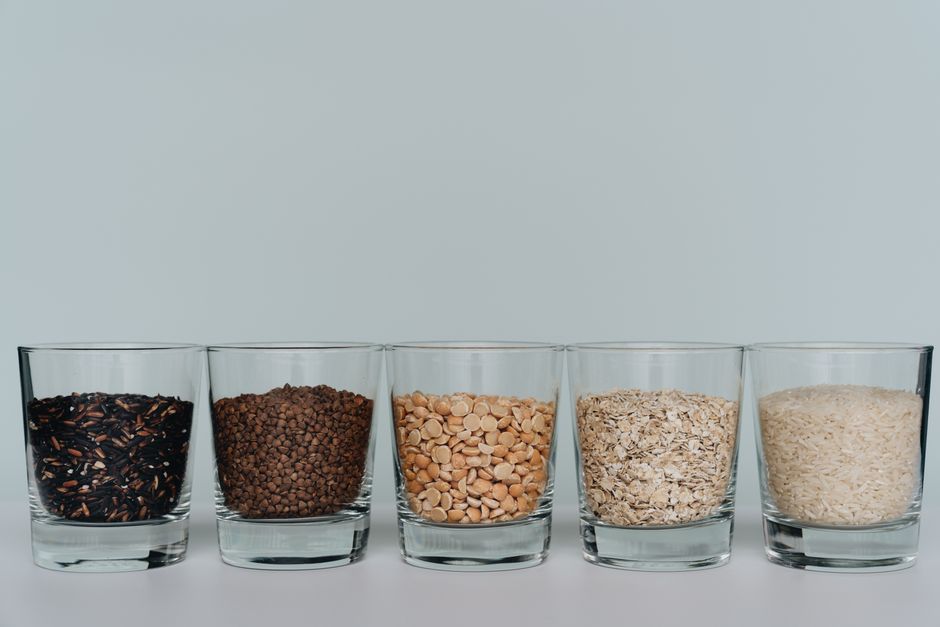
Yes, rice is gluten free. All natural forms of rice — white, brown, wild, jasmine, basmati, and black rice — come from gluten-free grains. Gluten is a protein found only in wheat, barley, rye, and their cross-breeds. Rice does not contain it. But there is an important catch: rice is often contaminated with gluten during farming, processing, or cooking. That matters for people with celiac disease or gluten sensitivity. This article explains what is safe, what is not, and how to choose rice wisely.
What Does Gluten Free Actually Mean?
Gluten is a group of proteins found in wheat, barley, rye, and triticale. It gives dough its stretchy texture and helps bread rise. For people with celiac disease, eating gluten triggers an immune reaction that damages the small intestine. For others, gluten can cause digestive discomfort even without celiac disease.
Rice belongs to a completely different plant family. The Oryza sativa plant produces rice grains that naturally contain zero gluten. The same is true for wild rice, which is technically a different species of aquatic grass. No variety of rice contains gluten proteins.
This means plain rice — in its natural form — is safe for a gluten free diet. The problem is rarely the rice itself. The problem is what happens to rice before it reaches your kitchen.
Is Rice Gluten Free Food in All Forms?
Plain rice grains are gluten free. But rice appears in many products, and not all of them are safe. Rice flour, rice pasta, rice cereal, and rice crackers can contain gluten if wheat flour is added during processing. Always read the ingredient label. If a product lists wheat, barley, rye, or malt, it is not gluten free.
Some rice products are processed in facilities that also handle wheat. This creates a risk of cross-contamination. The gluten particles can be present in tiny amounts that are invisible to the eye. For someone with celiac disease, even small amounts can cause symptoms and intestinal damage.
Seasoned rice mixes are a common problem. Many packaged rice dishes contain wheat-based sauces, soy sauce (which contains wheat), or barley malt flavoring. Plain rice is safe. Seasoned rice is not automatically safe.
How Common Is Gluten Contamination in Rice?
Studies have found that a meaningful percentage of rice and rice products contain gluten traces. The contamination usually comes from shared harvesting equipment, shared storage silos, or shared processing lines. Wheat and rice are often grown in the same regions and handled by the same facilities.
One review of gluten testing in rice products found that many samples exceeded the 20 parts per million (ppm) threshold that most countries use to define gluten free. The actual percentage varies by study and by country. The key point is that contamination is real and not rare.
For people without celiac disease, trace contamination is usually not a problem. For people with celiac disease, it can be. The safest approach is to buy rice labeled gluten free. This label means the manufacturer has tested the product and confirmed it meets the legal standard.



Which Types of Rice Are Safest?
Brown rice, white rice, jasmine rice, basmati rice, arborio rice, and black rice are all naturally gluten free. The type of rice does not change the gluten content. What changes is the risk of contamination.
Here is what to look for when buying rice:
- Certified gluten free label: This is the strongest guarantee. It means independent testing confirmed the product is safe.
- Single-ingredient rice: Packages that list only “rice” are safer than mixes with many ingredients.
- Reputable brands: Large brands that sell gluten free products usually have better quality control.
- Whole grains over processed: Whole rice grains have less surface area exposed to contamination than rice flour.
Rice flour is riskier than whole rice grains because the milling process can introduce gluten from shared equipment. If you need rice flour, choose a brand that specifically labels it gluten free.
How to Avoid Gluten in Rice at Home
Even if you buy safe rice, your kitchen can introduce gluten. Wheat flour dust in the air can settle on rice. Shared colanders, spoons, and cutting boards can transfer gluten. Toasting rice in a pan that previously cooked wheat-based dishes can contaminate it.
If you share a kitchen with people who eat gluten, take these steps:
- Use separate cooking tools for gluten free food, or wash everything thoroughly before use.
- Store rice in sealed containers away from wheat flour.
- Rinse rice before cooking. This removes surface dust and some contaminants.
- Use a dedicated strainer for rice, or clean the shared strainer very well.
Rinsing rice does not remove all gluten. Gluten proteins can stick to the grain surface. But rinsing does reduce the amount. Cooking rice in plenty of water and draining it can also help, though this changes the texture.
Is Rice Safe for Celiac Disease?
Rice is one of the most important foods in a celiac disease diet. It is a staple grain that provides carbohydrates, some protein, and B vitamins. The gluten free diet is heavily dependent on rice because it replaces wheat in many products.
However, people with celiac disease should not assume all rice is safe. The gluten free label is essential. If you cannot find labeled rice, contact the manufacturer and ask about their testing procedures. Most major rice brands test their products and can confirm their gluten status.
People with celiac disease should also be careful with rice from bulk bins. These bins are often scooped with the same tools used for wheat berries and other gluten-containing grains. The risk of contamination is high. Buy packaged rice instead.
Does Rice Contain Any Gluten-Like Proteins?
Rice does not contain gluten. It does contain proteins called glutelins and prolamins, but these are completely different from the gluten proteins in wheat. The immune system of someone with celiac disease does not react to rice proteins.
There is one rare exception. Some people with celiac disease develop a condition called refractory celiac disease, where the intestinal damage continues despite a strict gluten free diet. In these cases, doctors sometimes recommend avoiding all grains, including rice. But this is a rare and specific medical situation. For the vast majority of people with celiac disease, rice is safe and important.
What About Rice in Restaurants and Packaged Foods?
Restaurant rice is a risk. Many restaurants cook rice in broth that contains barley or wheat. Some add soy sauce, which contains wheat. Others cook rice in shared equipment with pasta. Always ask how the rice is prepared before ordering.
Packaged rice products require the same caution. Rice cakes, rice crackers, and rice cereals are often processed on shared lines. Some contain barley malt as a sweetener. Read every label. The gluten free label is the only reliable way to know.
Rice milk is another product to check. Most rice milk is gluten free, but some brands add barley enzymes during processing. Choose brands that are labeled gluten free.
How to Know If Your Rice Is Contaminated
You cannot tell by looking, smelling, or tasting. Gluten has no visible signs in rice. The only way to know is to check the label and trust the manufacturer’s testing.
If you have celiac disease and experience symptoms after eating rice, consider the source. Was the rice labeled gluten free? Was it cooked in a clean kitchen? Were the utensils dedicated to gluten free use? If all answers are yes and symptoms continue, talk to your doctor. There may be another trigger.
Some people report that rice causes digestive symptoms even without gluten. This can happen for several reasons. Rice contains resistant starch that can cause gas. Brown rice has more fiber than white rice, which can cause bloating in people not used to it. These symptoms are not from gluten. They are normal digestive responses to certain carbohydrates.
Bottom Line on Rice and Gluten
Rice is naturally gluten free. It is a safe and valuable food for people avoiding gluten. The risks come from contamination and added ingredients, not from the rice itself.
Choose labeled gluten free rice when possible. Read all packaged rice products carefully. Keep your kitchen tools separate. These simple steps make rice a reliable part of a gluten free diet.
If you have celiac disease, rice is likely a major part of your daily meals. That is appropriate and healthy. Just stay consistent about checking labels and avoiding cross-contamination.
Frequently Asked Questions
Is white rice gluten free?
Yes, white rice is naturally gluten free. It contains no wheat, barley, or rye proteins.
Can rice be contaminated with gluten?
Yes, rice can pick up gluten during farming, processing, or cooking if it touches wheat products. Buying rice labeled gluten free reduces this risk.
Is brown rice gluten free?
Yes, brown rice is naturally gluten free. It has the same gluten status as white rice.
Is rice flour safe for a gluten free diet?
Rice flour is gluten free by nature, but it has a higher contamination risk than whole rice grains. Choose rice flour that is specifically labeled gluten free.
