
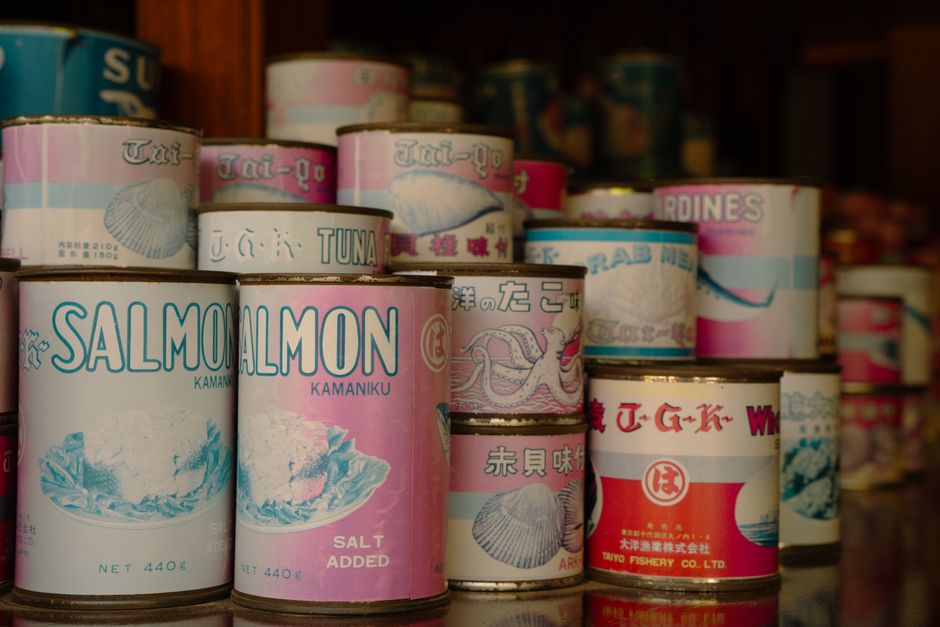
Checking whether your canned food is BPA-free takes about 30 seconds once you know what to look for. The most reliable method is to check the label for a “BPA-free” claim, but the absence of that claim does not automatically mean BPA is present. For the most accurate answer, contact the manufacturer directly, since labeling is voluntary in the United States and not all BPA-free cans advertise it on the front of the label.
What Is BPA and Why Does It Matter?
BPA, or bisphenol A, is a chemical used for decades to make certain plastics and epoxy resins. In canned food, BPA appears in the thin lining inside the can. That lining keeps the food from reacting with the metal, which prevents corrosion and keeps the food safe from contamination.
The concern is that BPA can leach into the food, especially when the can is heated or when the food is acidic. Studies have found BPA in the urine of most Americans, and the chemical is known to mimic estrogen in the body. The FDA has stated that BPA is safe at the low levels found in food, but it has also banned BPA in baby bottles and sippy cups. Some research suggests a possible link between BPA exposure and health issues like high blood pressure and hormone disruption, but the evidence is not conclusive enough for the FDA to change its position on BPA in food packaging.
How To Check If Your Canned Food Is Bpa Free?
The simplest way to check is to read the label. Look for the words “BPA-free” or “No BPA” on the front or back of the can. Many major brands now print this claim clearly because consumers have asked for it.
If the label does not say BPA-free, check the brand’s website. Most large food companies publish their packaging policies online. You can also look for a recycling code on the plastic lid if the can has one, though this only tells you about the lid, not the can lining.
The most direct method is to contact the manufacturer. Look for a phone number or email on the can. Customer service representatives can tell you exactly what is in the lining of their cans. This is the only way to be certain, because labeling is voluntary and some BPA-free cans do not advertise it.
Why the Label Might Not Tell the Whole Story
Food manufacturers are not required by federal law to label cans as BPA-free. The FDA regulates food packaging for safety, but it does not mandate disclosure of BPA on labels. This means a can without a BPA-free claim could still be BPA-free, or it could contain BPA.
Some brands have switched to alternatives like BPS or BPF, which are similar chemicals. These are also used in can linings, and early research suggests they may have similar effects on the body. If a can says BPA-free but does not specify what replaced it, the alternative may not be fully studied in humans.
This is not a reason to avoid BPA-free cans. It is simply a reason to understand that “BPA-free” means BPA is absent, not that all bisphenol chemicals are absent.





Brands That Have Switched to BPA-Free Linings
Several major canned food brands have publicly committed to removing BPA from their can linings. These include Campbell’s, Del Monte, and Conagra, which makes Hunt’s and Healthy Choice products. Many store brands, including those sold at Whole Foods and Trader Joe’s, have also made the switch.
However, brand-wide commitments do not mean every product from that brand is BPA-free. Some companies use different linings for different products based on the acidity of the food. Tomatoes and other acidic foods may require a different lining than beans or soups. Always check the specific can you are holding, not just the brand name.
Smaller and specialty brands often advertise BPA-free packaging more prominently because they use it as a selling point. If you are unsure about a specific brand, a quick search of their website or a phone call will give you the answer.
What About Cans With Plastic Lids?
Some canned foods, like coffee and nuts, come in cans with plastic lids. The plastic lid may have a recycling code on it. Codes 1, 2, 4, and 5 are generally considered BPA-free. Code 7 is a catch-all category that may or may not contain BPA.
But the lid is not the part that touches your food for long. The interior lining of the can is what matters most. A plastic lid without BPA does not tell you anything about the can lining. Check the can itself for a BPA-free statement, or contact the manufacturer.
Are BPA-Free Cans Actually Safer?
This is where the evidence gets complicated. BPA-free cans are not automatically safer than cans with BPA. The replacement chemicals, like BPS and BPF, are less studied. Some animal studies suggest they may have effects similar to BPA, but human studies are limited.
What the evidence does show is that BPA levels in the body drop significantly when people switch to fresh or frozen food instead of canned food. A well-known study from the Harvard School of Public Health found that participants who ate one serving of canned soup daily for five days had more than a tenfold increase in urinary BPA compared to when they ate fresh soup. This study is often cited in discussions about BPA, and its findings have been replicated in other research.
The practical takeaway is not that all canned food is dangerous. It is that canned food is a source of BPA exposure, and reducing that exposure is possible by choosing fresh or frozen options when you can.
Alternatives to Canned Food
If you want to avoid BPA and similar chemicals entirely, the most reliable way is to reduce how much canned food you eat. Fresh and frozen vegetables, fruits, and beans are good alternatives. Frozen food is typically packaged in plastic bags or cardboard boxes, which do not have the same epoxy linings as cans.
Glass jars are another option. Many brands that sell tomato sauce, broth, and pickled foods offer glass packaging. Glass does not contain BPA and does not leach chemicals into food.
You do not need to eliminate canned food completely to reduce your exposure. The evidence suggests that reducing frequency matters more than eliminating every can. Eating canned food occasionally is unlikely to cause harm, but making fresh or frozen choices most of the time will lower your overall exposure.
How To Read Packaging Claims Critically
Some packaging claims are more meaningful than others. “BPA-free” is a specific claim with a clear meaning. “Non-toxic” or “green” or “eco-friendly” are vague marketing terms that have no standard definition.
When you see a vague claim on a can, it does not tell you anything about the lining. Look for the specific words “BPA-free” or “no BPA.” If you do not see them, the claim on the front of the label is not a substitute.
Also be aware that some companies put “BPA-free” on the label but use BPS or BPF instead. As noted earlier, these are chemically similar to BPA. If you want to avoid all bisphenol compounds, you need to contact the manufacturer and ask what the lining is made of, not just whether it contains BPA.
What the FDA Says About BPA
The FDA’s position is that BPA is safe at the levels currently found in food. This position is based on a review of available studies, and the agency continues to monitor new research. The FDA banned BPA in baby bottles and sippy cups in 2012, and it has also banned BPA in infant formula packaging.
These bans reflect a precautionary approach for infants, not a conclusion that BPA is dangerous for adults. The FDA’s stance on BPA in other food packaging has not changed, and it does not require BPA-free labeling.
Some advocacy groups have pushed for a stricter ban, and several states have considered their own restrictions. As of now, no federal ban on BPA in all food packaging exists in the United States, and the FDA maintains that current exposure levels are safe.
Practical Steps for Your Next Grocery Trip
Here is a simple approach you can use the next time you buy canned food:
- Read the label for “BPA-free” or “no BPA.” If you see it, the can is BPA-free.
- If the label does not say, check the brand’s website on your phone before you buy.
- If you cannot find the answer online, buy a different brand that clearly labels its cans.
- For staples you buy often, call the manufacturer once and ask about their can linings. Write down the answer so you do not have to call again.
- Choose fresh or frozen options when they are convenient and affordable.
This approach is not complicated, but it does require a small amount of effort. The payoff is that you will know exactly what is in the cans you are feeding your family.
Frequently Asked Questions
Does all canned food contain BPA?
No. Many brands have switched to BPA-free linings, and some have never used BPA. However, labeling is voluntary, so the only way to be certain about a specific can is to check the label or contact the manufacturer.
Is BPA-free canned food safer than regular canned food?
The evidence is not clear. BPA-free cans often use replacement chemicals like BPS or BPF, which are less studied and may have similar effects. Reducing canned food intake overall is a more reliable way to lower exposure to these chemicals.
Can I tell if a can has BPA by looking at it?
No. BPA is invisible and has no smell or taste. The only way to know is to read the label, check the brand’s website, or contact the manufacturer directly.
Is it safe to eat canned food every day?
Most health authorities consider occasional canned food safe, but daily consumption increases your exposure to BPA and similar chemicals. Choosing fresh or frozen options most of the time will reduce your overall exposure.
