
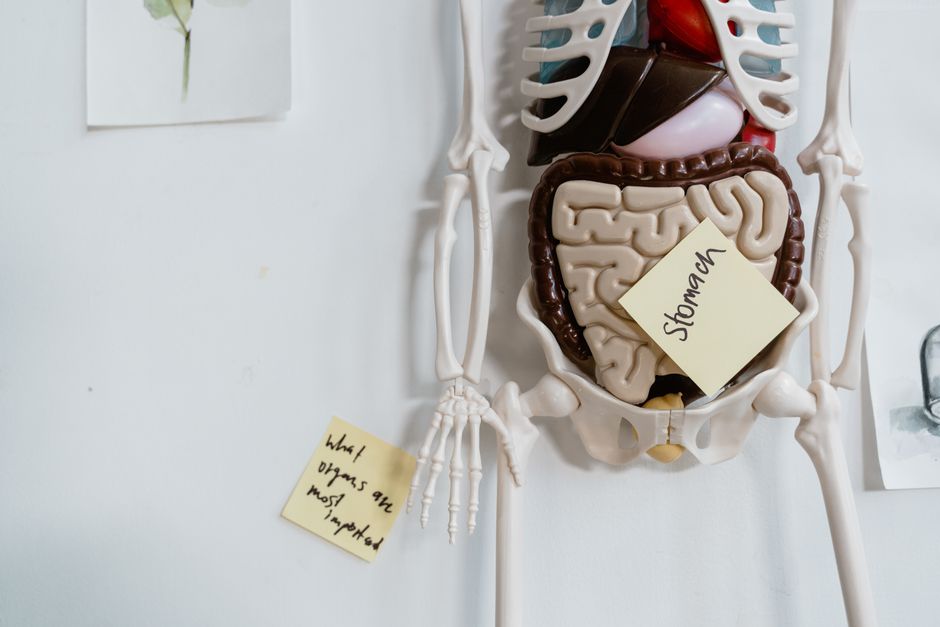
Anger is felt in the body from the chest to the gut as a wave of physical tension, heat, and pressure. The chest tightens as your heart rate and breathing accelerate, while the stomach and intestines can churn, cramp, or feel heavy with unease. These sensations are not imagined — they are the direct result of your nervous system flooding your body with stress hormones, preparing you to fight or flee.
What happens in the chest when you get angry?
The chest is often the first place anger shows up. People describe it as tightness, pressure, or a feeling that their heart is pounding against their ribs.
This happens because your sympathetic nervous system activates. It releases adrenaline and cortisol. Your heart beats faster and harder to pump blood to your muscles. Your airways open slightly to take in more oxygen. Blood pressure rises. The physical result is that unmistakable feeling of your chest constricting or heating up.
For most people, this chest sensation is temporary and harmless. It fades as the anger passes. But if you have an underlying heart condition, repeated episodes of intense anger can put real strain on your cardiovascular system. Some research has linked frequent, intense anger to a higher risk of heart events in vulnerable people. The chest tightness of anger is not the same as cardiac chest pain, but if you feel crushing pressure, pain spreading to your arm or jaw, or shortness of breath, seek emergency care immediately.
Why does anger settle in the stomach and gut?
The gut is the second major site where anger makes itself known. Nausea, cramping, a knot in the stomach, or a sudden urge to use the bathroom are all common anger responses.
The gut has its own nervous system, often called the enteric nervous system. It contains hundreds of millions of neurons that communicate directly with your brain. When anger triggers your stress response, blood flow is redirected away from the digestive tract and toward your muscles. Digestion slows down. This can cause that heavy, queasy, or knotted feeling in your abdomen.
Stress hormones also affect gut motility — the movement of food through your intestines. Some people experience diarrhea or urgent bowel movements during or after an angry episode. Others feel constipated or bloated. Both are normal stress responses, not signs of a digestive disease. If gut symptoms only appear with anger or stress and resolve when you calm down, they are likely tied to your emotional state rather than a chronic condition.
Where exactly is anger felt in the body from chest to gut?
The path anger takes through your torso is predictable. It follows the midline of your body, from the upper chest down through the abdomen.
In the chest, anger concentrates in the center of the ribcage, behind the breastbone. The sensation is often described as pressure or a racing heart. From there, the feeling moves down through the upper abdomen, sometimes into the area just below the ribs. This is where the stomach and upper intestines sit. People often call this a “pit in the stomach” or a “sinking feeling.”
Lower down, anger can reach the intestines and colon. This produces cramping, gurgling, or the sudden need to use the bathroom. The entire pathway — chest to gut — is driven by the same nervous system response. You are not imagining the movement of anger through your body. It follows a real physiological route.
It is worth noting that not everyone experiences anger the same way. Some people only feel it in the chest. Others only feel it in the gut. Some feel it everywhere at once. Individual variation is normal. What matters is recognizing your own pattern so you can respond to anger early, before it peaks.





Can anger cause lasting damage to your chest or gut?
For a healthy person, occasional anger does not cause permanent damage to the chest or digestive system. The body returns to baseline once the stress response ends.
The concern is chronic or frequent anger. When your body is repeatedly flooded with stress hormones, it takes a toll. Persistent high blood pressure and heart rate can contribute to cardiovascular problems over years. Chronic stress is also linked to digestive conditions like irritable bowel syndrome (IBS) and acid reflux. Some research suggests that stress and anger can worsen symptoms in people who already have these conditions.
This does not mean anger itself causes ulcers or heart disease. The relationship is more complex. But managing frequent anger is a legitimate health priority, not just a mental wellness goal. Your chest and gut are physical organs that respond to emotional states. Prolonged emotional distress has physical consequences.
If you notice that anger is a daily occurrence, or if it consistently triggers severe chest pain, vomiting, or prolonged digestive distress, talk to a healthcare provider. They can help rule out underlying conditions and offer strategies for managing anger that are grounded in evidence.
How can you release anger felt in the chest and gut?
Because the physical sensations of anger are driven by your nervous system, the fastest way to reduce them is to calm that system. Deep breathing is one of the most effective tools. Slow, deliberate breaths — inhaling through your nose, exhaling through your mouth — activate the parasympathetic nervous system, which counteracts the fight-or-flight response.
Physical movement also helps. A brisk walk, stretching, or any form of exercise burns off the adrenaline that is causing your chest to tighten and your gut to churn. The goal is not to suppress anger but to let the physical arousal subside so you can think clearly.
Progressive muscle relaxation is another technique with solid evidence behind it. You tense and then relax each muscle group in your body, starting at your feet and working upward. This directly addresses the muscle tension that anger creates in the chest and abdomen.
These techniques do not solve the problem that made you angry. They simply bring your body back to a state where you can address the problem without your physiology working against you. If anger is a recurring issue, consider speaking with a mental health professional. Cognitive behavioral therapy has strong evidence for helping people manage anger more effectively.
When should you take chest or gut pain seriously?
Anger-related chest tightness usually fades within minutes. Gut symptoms usually resolve as you calm down. But not every chest or abdominal sensation during an emotional moment is benign.
Seek emergency care if chest pain is crushing, lasts longer than a few minutes, or spreads to your arm, neck, jaw, or back. Shortness of breath, cold sweats, or nausea alongside chest pain also warrant immediate attention. These can be signs of a heart attack, even in younger people.
For gut symptoms, seek medical advice if you have severe abdominal pain that does not ease, blood in your stool, persistent vomiting, or unintentional weight loss. These are not typical anger responses. They require a proper medical evaluation.
The general rule is simple: anger explains mild, temporary sensations that resolve when you calm down. It does not explain severe, persistent, or worsening symptoms. When in doubt, get checked. It is always better to have a doctor tell you it is stress than to ignore something serious.
Frequently Asked Questions
Why does my chest feel tight when I am angry?
Your sympathetic nervous system releases adrenaline and cortisol when you get angry, which makes your heart beat faster and your airways open wider. This creates the sensation of tightness or pressure in your chest.
Can anger cause stomach pain and nausea?
Yes. Anger redirects blood flow away from your digestive tract, which slows digestion and can cause cramping, nausea, or a knotted feeling in your stomach. These symptoms usually resolve once you calm down.
Is anger felt differently in the chest versus the gut?
Yes. Chest sensations are typically fast and intense — racing heart, tightness, heat — because they come from rapid cardiovascular changes. Gut sensations are slower and more diffuse, like churning, cramping, or heaviness, because they involve changes in digestion and intestinal movement.
How long does anger-related chest tightness last?
For most people, chest tightness from anger fades within minutes once the triggering situation passes. If chest pain lasts longer than a few minutes or is accompanied by pain spreading to your arm or jaw, seek emergency medical care.
