
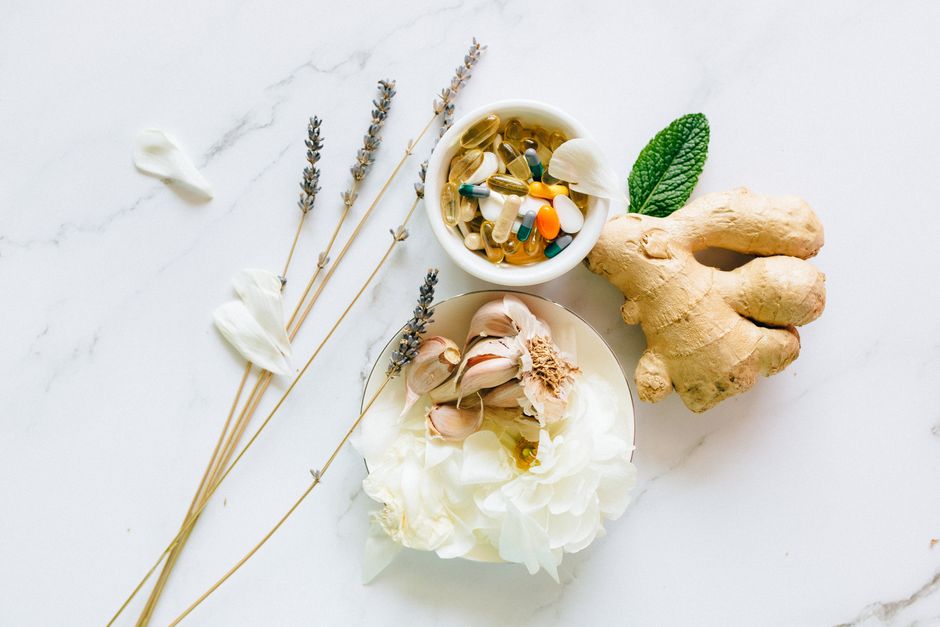
Healing your gut naturally comes down to feeding the beneficial bacteria already living in your digestive tract and removing the habits that damage them. The most effective approach combines a diet rich in plant fiber and fermented foods with lifestyle changes like better sleep and stress management. This is not a quick fix, but a consistent pattern of eating and living that supports the delicate ecosystem inside you.
What Does “Gut Health” Actually Mean?
Your gut is home to trillions of microorganisms, including bacteria, viruses, and fungi. Together, these are called the gut microbiome. When people talk about a “healthy gut,” they usually mean a balanced microbiome with a diverse range of beneficial species that help digest food, produce vitamins, and protect against harmful pathogens.
The lining of your intestines also matters. This barrier controls what enters your bloodstream. A healthy gut lining allows nutrients through while keeping out toxins and undigested food particles. When this barrier is compromised, often called “leaky gut,” it can trigger inflammation. While the concept of leaky gut is debated in some medical circles, the importance of maintaining a strong intestinal barrier is well established.
Your gut also communicates directly with your brain through the vagus nerve. This gut-brain axis means your emotional state can affect your digestion, and your digestion can affect your mood. This is why stress management appears in almost every conversation about digestive health.
How To Heal Your Gut Naturally With Food And Habits: Start With Fiber
Dietary fiber is the single most important food component for gut health. Fiber is plant material your body cannot digest. When it reaches your colon, your gut bacteria ferment it and produce short-chain fatty acids like butyrate. Butyrate is the primary fuel source for the cells lining your colon and helps maintain a healthy intestinal barrier.
Most adults need between 25 and 38 grams of fiber daily, yet most Americans get less than half that amount. Increasing your fiber intake gradually is essential. A sudden jump from low to high fiber can cause bloating, gas, and cramping. Add a few grams every few days and drink plenty of water to help the fiber move through your system.
Good fiber sources include oats, barley, beans, lentils, apples, bananas, berries, carrots, and leafy greens. Variety matters more than volume. Different plant foods contain different types of fiber that feed different bacterial species. Eating a wide range of plants supports a more diverse microbiome, which research consistently links to better health outcomes.
Fermented Foods: Adding Beneficial Bacteria Directly
Fermented foods contain live microorganisms that can colonize your gut and offer health benefits. Yogurt with live cultures, kefir, sauerkraut, kimchi, miso, and kombucha are common examples. These foods introduce beneficial bacteria directly into your digestive system.
The evidence for fermented foods is strong. Research published in the journal Cell found that a diet high in fermented foods increased microbiome diversity and reduced markers of inflammation. This study compared fermented foods to a high-fiber diet and found both beneficial, but through different mechanisms. Fiber feeds the bacteria you already have, while fermented foods add new ones.
Not all fermented foods contain live cultures. Pasteurized products like many commercial sauerkraut brands have been heat-treated, which kills the beneficial bacteria. Look for refrigerated options labeled “live” or “unpasteurized.” Start with small portions, like two tablespoons of sauerkraut or a half-cup of yogurt, and increase gradually.


What To Remove or Reduce
Ultra-processed foods are consistently linked to poorer gut health. These products often contain emulsifiers, artificial sweeteners, and preservatives that can disrupt the microbiome. Some studies suggest emulsifiers like carboxymethylcellulose and polysorbate-80 may damage the intestinal lining in animal models, though human research is still developing.
Artificial sweeteners deserve particular attention. Research indicates that sweeteners like saccharin and sucralose may alter gut bacteria composition in some people. The effect appears to vary by individual, so not everyone responds the same way. If you consume diet drinks regularly and have digestive issues, trying a period without them may be worth discussing with your doctor.
Excessive alcohol is another factor. Alcohol can irritate the intestinal lining and disrupt the balance of gut bacteria. This does not mean you must avoid alcohol entirely, but moderation matters. The general guidance is no more than one drink per day for women and two for men.
Antibiotics are sometimes necessary and can save lives, but they also wipe out beneficial bacteria along with harmful ones. If you need antibiotics, plan to focus extra attention on fermented foods and fiber afterward to help rebuild your microbiome.
The Role of Stress and Sleep in Digestion
Your gut does not work in isolation. Chronic stress activates your sympathetic nervous system, which slows digestion and reduces blood flow to the intestines. Over time, this can alter the composition of your gut bacteria and increase intestinal permeability.
Sleep matters just as much. Your gut bacteria follow a circadian rhythm, and disrupted sleep patterns can throw this off. Research has found that even a few nights of poor sleep can shift the balance of gut bacteria toward species associated with inflammation. Adults generally need seven to nine hours of quality sleep per night.
Practical stress reduction does not need to be elaborate. A daily walk, deep breathing exercises, or a short meditation practice can lower stress hormones. The key is consistency. A five-minute practice every day is more effective than an hour once a month.
Eating habits also influence digestion. Eating slowly and chewing thoroughly gives your stomach and intestines time to process food properly. Rushed meals with minimal chewing send larger food particles downstream, which can cause bloating and discomfort.
How Long Does Healing Actually Take?
Gut health is not a destination but a continuous process. Some people notice improvements in bloating and digestion within one to two weeks of changing their diet. Microbiome diversity changes can begin within days, but meaningful shifts typically take several weeks to months.
Individual response varies widely. Your starting point, genetics, medical history, and current diet all influence how quickly you see changes. Some people feel dramatically better within a month. Others need several months of consistent effort before noticing meaningful improvements.
If you have persistent digestive symptoms like severe abdominal pain, unexplained weight loss, blood in your stool, or chronic diarrhea, see a healthcare provider before attempting self-treatment. These symptoms can indicate conditions like inflammatory bowel disease, celiac disease, or infections that require proper medical management. Natural approaches are supportive but not replacements for medical care.
Supplements: What Works and What Does Not
Probiotic supplements are popular, but the evidence is more complicated than marketing suggests. Different probiotic strains have different effects, and no single supplement works for everyone. Some research supports specific strains for specific conditions, like certain Lactobacillus strains for antibiotic-associated diarrhea or Bifidobacterium strains for irritable bowel syndrome symptoms.
Prebiotic supplements provide fiber that feeds gut bacteria. Options like inulin or fructooligosaccharides can be helpful, but they can also cause significant gas and bloating, especially at higher doses. Getting fiber from whole foods is generally preferable because you also receive vitamins, minerals, and phytochemicals.
No supplement replaces a healthy diet. The evidence consistently shows that food-based approaches are more effective than supplements for improving overall gut health. If you are considering a supplement, discuss it with your healthcare provider first, especially if you have an underlying health condition or take medications.
Frequently Asked Questions
What is the fastest way to improve gut health?
Adding fermented foods and increasing fiber intake are the fastest evidence-based changes you can make. Some people notice reduced bloating within one to two weeks, though microbiome changes take longer.
Can I heal my gut without giving up my favorite foods?
You do not need to eliminate every food you enjoy, but reducing ultra-processed foods and excessive alcohol will help. Focus on adding beneficial foods rather than obsessing over restrictions.
Is apple cider vinegar good for gut health?
No strong clinical evidence confirms that apple cider vinegar improves gut health. Some people find it helps with acid reflux symptoms, but it can also irritate the esophagus and stomach lining in others.
How do I know if I have a gut problem?
Persistent bloating, gas, diarrhea, constipation, or abdominal pain may indicate a gut issue. See a healthcare provider for proper evaluation rather than self-diagnosing, since these symptoms overlap with many conditions.
