
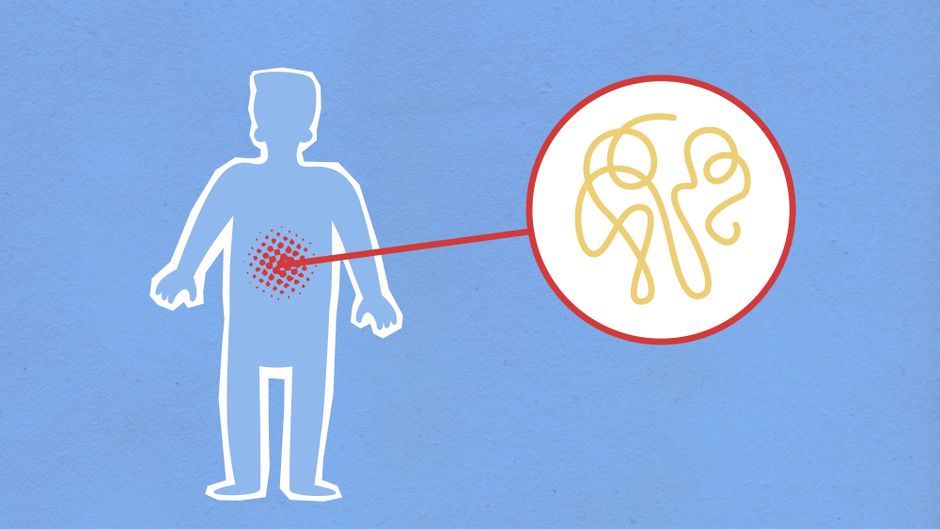
Gut issues can cause neuropathy in specific, well-documented situations. The connection is not a general theory—it is a clinical reality tied to how your intestines absorb nutrients and how your immune system reacts to certain triggers. When the gut fails to absorb vitamin B12, or when the immune system attacks nerve tissue after an intestinal infection, peripheral nerve damage can follow. This article explains the established pathways, the symptoms to watch for, and what the evidence actually shows.
What Is Neuropathy and How Does It Connect to the Gut?
Neuropathy means nerve damage. Most often it refers to peripheral neuropathy—damage to the nerves outside your brain and spinal cord. These nerves carry signals between your body and your brain. When they are damaged, you can feel numbness, tingling, burning, or sharp pain, usually starting in the hands or feet.
The gut connects to neuropathy through two main mechanisms. The first is malabsorption. Your small intestine is where your body absorbs vitamins and nutrients. If disease or surgery damages this part of the gut, you can become deficient in nutrients that nerves need to survive. The second mechanism is immune-mediated. Some intestinal infections trigger an immune response that mistakenly attacks nerve tissue. Both pathways are well established in medical literature.
Which Gut Conditions Are Linked to Neuropathy?
Several specific gut conditions have a proven association with peripheral neuropathy. These are not speculative connections—they are recognized clinical associations with documented biological mechanisms.
Celiac disease is one of the most studied. In celiac disease, eating gluten damages the small intestine’s lining. This damage impairs nutrient absorption. Some research suggests that the immune response in celiac disease can also directly affect nerves. People with celiac disease can develop neuropathy even without classic digestive symptoms. A strict gluten-free diet sometimes improves or stabilizes the nerve symptoms, but not always.
Pernicious anemia is another clear link. In this autoimmune condition, your body cannot absorb vitamin B12 from food because it lacks a protein called intrinsic factor. Intrinsic factor is made in the stomach and is essential for B12 absorption in the small intestine. Without B12, the protective coating around your nerves—called myelin—breaks down. This causes a specific type of neuropathy that can affect the spinal cord as well as peripheral nerves.
Inflammatory bowel disease—which includes Crohn’s disease and ulcerative colitis—has also been associated with neuropathy. The connection here is more complex. Chronic inflammation, nutrient deficiencies from poor absorption, and certain medications used to treat these conditions may all play a role. The evidence is not as strong as it is for celiac disease or B12 deficiency, but the association is recognized.
Gastrectomy—surgical removal of part or all of the stomach—is a lesser-known cause. After this surgery, B12 absorption is often severely impaired because the stomach cells that produce intrinsic factor are gone. Post-surgical B12 deficiency is a well-documented cause of neuropathy if supplements are not given.
Can Gut Infections Trigger Neuropathy?
Yes. Certain bacterial infections of the gut can trigger an immune response that damages nerves. The most well-known example is Campylobacter jejuni, a common cause of food poisoning. In rare cases, the immune system’s response to this infection cross-reacts with nerve tissue. The result is Guillain-Barré syndrome, a condition where the immune system attacks peripheral nerves.
Guillain-Barré syndrome usually begins with weakness and tingling in the legs. It can progress rapidly and requires immediate medical attention. Most people recover, but some have lasting nerve damage. This is a rare complication of a common infection—most people who get Campylobacter do not develop Guillain-Barré. The risk is real, but it is small.
Other gut infections have been studied for similar links, but the evidence is much weaker. Some research has explored connections between bacterial overgrowth in the small intestine and neuropathy, but no large human trials have confirmed a direct cause-and-effect relationship.



What Are the Symptoms of Gut-Related Neuropathy?
Symptoms of neuropathy from gut issues are similar to neuropathy from other causes. The most common early signs include:
- Tingling or a “pins and needles” feeling in the hands or feet
- Numbness that spreads gradually
- Burning pain, often worse at night
- Muscle weakness or difficulty walking
- Loss of balance or coordination
- Sensitivity to touch—light pressure can feel painful
When the neuropathy is caused by B12 deficiency specifically, additional symptoms can appear. These include fatigue, memory problems, and a smooth or sore tongue. B12 deficiency can also affect the spinal cord, causing difficulty with balance and a sensation of electric shocks running down the spine when you bend your neck forward.
One important point: gut-related neuropathy can develop slowly. You may have digestive issues for years before nerve symptoms appear. In some cases, nerve symptoms are the first sign that something is wrong with your gut. This is why doctors sometimes test for celiac disease or B12 deficiency when a patient presents with unexplained neuropathy.
How Is Gut-Related Neuropathy Diagnosed?
Diagnosis requires connecting the gut issue to the nerve damage. Doctors typically start with a thorough history and physical exam. They will ask about digestive symptoms, diet, surgeries, and family history.
Blood tests are the next step. A complete blood count can reveal anemia. Vitamin B12 levels are measured directly. Doctors may also check for antibodies associated with celiac disease—specifically tissue transglutaminase antibodies. If these are positive, an endoscopy with biopsy of the small intestine can confirm the diagnosis.
For the nerve damage itself, a test called nerve conduction study or electromyography (EMG) measures how well your nerves conduct electrical signals. This test can confirm that neuropathy is present and can help identify the type of nerve fibers affected.
In some cases, doctors may order additional tests to rule out other causes of neuropathy, such as diabetes, thyroid disease, or kidney problems. This is important because neuropathy has many causes. A thorough evaluation ensures that a gut issue is not missed while another condition is being treated.
Can Treating the Gut Reverse Neuropathy?
The answer depends on the cause and how early treatment begins. For B12 deficiency neuropathy, treatment is straightforward: B12 replacement. This is typically given as injections initially, then may transition to high-dose oral supplements or nasal sprays. If treatment starts early, nerve symptoms often improve significantly. If the nerve damage has been present for a long time, some symptoms may persist even with treatment.
For celiac disease, the treatment is a strict gluten-free diet. Research shows that this diet can stabilize neuropathy and prevent further nerve damage. Some people experience improvement in their symptoms, but complete recovery is not guaranteed. Nerve tissue that has already been destroyed cannot regenerate fully.
For Guillain-Barré syndrome triggered by gut infection, treatments include intravenous immunoglobulin or plasma exchange. These therapies reduce the immune attack on nerves. Recovery can take weeks to months, and physical therapy is often needed to regain strength.
One honest note: no treatment can guarantee complete reversal of neuropathy. The nervous system has limited capacity for repair. Early detection and treatment offer the best chance for improvement. If you have both gut issues and nerve symptoms, seeking evaluation promptly matters.
When Should You See a Doctor?
See a doctor if you have persistent digestive symptoms—such as chronic diarrhea, abdominal pain, bloating, or unintentional weight loss—along with any nerve symptoms. This combination warrants investigation.
Seek urgent medical care if you experience sudden weakness, difficulty walking, trouble breathing, or rapid spread of numbness. These can be signs of Guillain-Barré syndrome or another serious neurological condition that requires immediate treatment.
Do not attempt to self-treat with over-the-counter B12 supplements if you suspect a deficiency. High-dose supplements can mask the underlying cause of the deficiency, such as pernicious anemia or celiac disease. A proper diagnosis ensures you receive the right treatment for the root problem, not just the symptom.
Frequently Asked Questions
Can leaky gut syndrome cause neuropathy?
No clinical evidence currently confirms that “leaky gut syndrome” causes neuropathy. The term describes increased intestinal permeability, which is a real phenomenon, but no large human trials have linked it directly to nerve damage.
Can constipation cause nerve damage?
Constipation itself does not cause peripheral neuropathy. Severe or chronic constipation can sometimes compress the pudendal nerve in the pelvic area, but this is a local issue, not generalized neuropathy.
Can SIBO cause neuropathy?
Some research suggests a possible link between small intestinal bacterial overgrowth (SIBO) and neuropathy, but the evidence is limited. No large human trials have confirmed that treating SIBO resolves or improves nerve symptoms.
Can gut issues cause tingling in the hands and feet?
Yes, when gut issues lead to vitamin B12 deficiency or trigger immune-mediated nerve damage, tingling in the hands and feet can occur. This is a documented symptom of gut-related neuropathy, not a vague or theoretical connection.
