
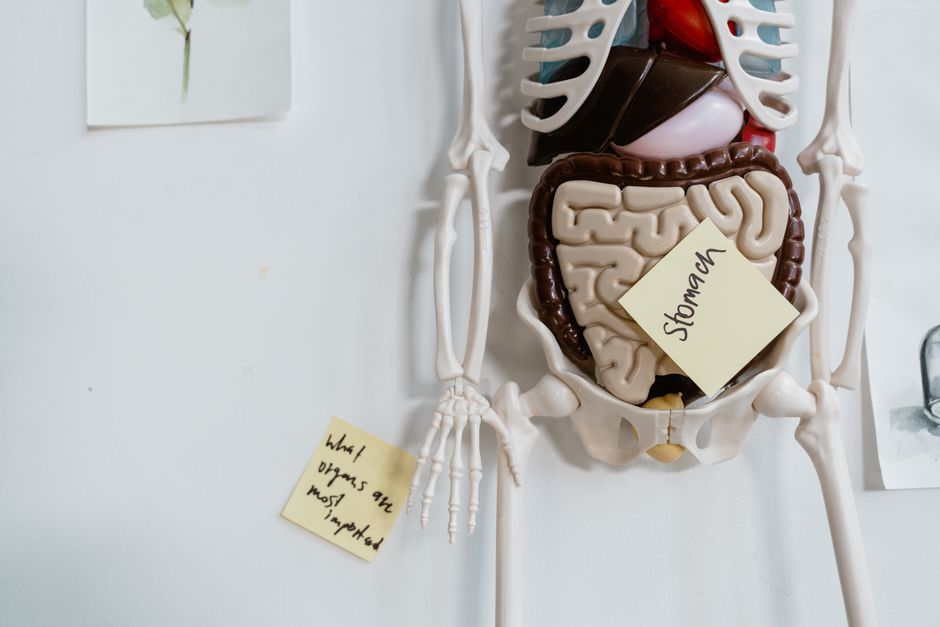
A healthy gut is a digestive system that works the way it should. It breaks down food, absorbs nutrients, and moves waste out of your body without constant pain, bloating, or irregularity. It also hosts a balanced community of bacteria and other microbes that help with digestion and support your immune system. When your gut is healthy, you rarely notice it. When it is not, the signs can be obvious and disruptive.
What Are The Main Functions Of A Healthy Gut?
The gut is not just a tube that processes food. It is a complex organ system with several specific jobs that affect your whole body.
Digestion and nutrient absorption are the primary functions. Your stomach breaks food into smaller pieces, and your small intestine absorbs vitamins, minerals, proteins, fats, and carbohydrates into your bloodstream. A healthy gut does this efficiently without causing pain or excessive gas.
The gut also acts as a barrier. The intestinal lining keeps harmful substances — like toxins and undigested food particles — from entering your bloodstream. When this barrier works properly, your immune system does not get triggered by things it should ignore.
Your gut houses trillions of microorganisms, collectively called the gut microbiome. These bacteria, fungi, and viruses help break down certain fibers your body cannot digest on its own. They also produce some vitamins, including vitamin K and certain B vitamins. A balanced microbiome is linked to better immune function and even mood regulation, because the gut and brain communicate directly through the vagus nerve.
Finally, the gut moves waste through your system at a steady pace. This process, called motility, is controlled by muscles and nerves in the intestinal wall. Regular, comfortable bowel movements are one of the clearest signs that this function is working.
What Are The Warning Signs Of An Unhealthy Gut?
Some digestive symptoms are temporary and harmless. Others point to a deeper problem. You should pay attention when symptoms are frequent, severe, or getting worse over time.
Common signs of an unhealthy gut include:
- Chronic bloating or gas after most meals
- Frequent heartburn or acid reflux
- Constipation that lasts days or requires straining
- Diarrhea that comes and goes without a clear cause
- Unexplained changes in bowel habits
- Food intolerances that seem to develop suddenly
- Constant fatigue despite getting enough sleep
- Skin issues like eczema or acne that flare with diet
- Unintended weight changes
Persistent symptoms are worth discussing with a doctor. Occasional bloating after a heavy meal is normal. Daily discomfort is not.
Sudden or severe symptoms need medical attention right away. Blood in your stool, unexplained weight loss, severe abdominal pain, or vomiting that will not stop are not signs you should manage at home. These can indicate serious conditions that require proper diagnosis.
Many digestive disorders share similar symptoms. Irritable bowel syndrome, inflammatory bowel disease, celiac disease, and food allergies can all cause bloating, pain, and irregular bowel movements. That is why self-diagnosis is risky. A doctor can run tests to identify what is actually happening rather than guessing from symptoms alone.
What Foods Support A Healthy Gut?
Diet is the strongest tool you have for supporting gut health. The foods you eat feed both you and the bacteria living inside you.
Fiber-rich plant foods are the foundation. Fruits, vegetables, legumes, nuts, and whole grains provide the carbohydrates that beneficial gut bacteria need to thrive. These are called prebiotics. When bacteria ferment this fiber, they produce short-chain fatty acids that nourish the cells lining your colon.
Good sources of prebiotic fiber include:
- Garlic and onions
- Bananas, especially slightly green ones
- Oats and barley
- Apples and berries
- Asparagus and leeks
- Beans and lentils
Fermented foods contain live bacteria that can add to the microbial community in your gut. Yogurt with active cultures, kefir, sauerkraut, kimchi, miso, and kombucha are common examples. Some research suggests these foods can increase microbial diversity and reduce markers of inflammation.
Polyphenols are plant compounds that your gut bacteria use as fuel. Colorful berries, dark chocolate with high cocoa content, green tea, coffee, and olive oil are rich sources. These compounds also have antioxidant properties that may protect the intestinal lining.
Protein matters too. Fish, poultry, eggs, and plant proteins like tofu provide amino acids that help repair the intestinal lining. Bone broth contains collagen and gelatin, though clinical evidence for its specific gut-healing benefits remains limited.





What Foods Can Harm Your Gut?
Just as some foods support gut health, others can work against it. This does not mean you must eliminate these foods forever. It means they should not be the center of your diet.
Ultra-processed foods are consistently linked to poorer gut health. These products often contain emulsifiers, artificial sweeteners, and preservatives that some research suggests can disrupt the balance of gut bacteria. Chips, packaged snacks, sugary cereals, and fast food fall into this category.
Excess alcohol can irritate the intestinal lining and change the composition of your microbiome. Heavy drinking is clearly harmful. Even moderate drinking affects gut bacteria, though the clinical significance for most people is not fully established.
Artificial sweeteners deserve special mention. Some studies in animals and a growing number in humans suggest certain sweeteners — like saccharin and sucralose — can alter gut bacteria in ways that affect glucose metabolism. The evidence is not conclusive enough to say everyone should avoid them, but it is enough to question regular heavy use.
A diet very low in fiber starves beneficial bacteria. When they do not get the fuel they need, they can die off, reducing microbial diversity. Lower diversity is associated with a range of health problems, though cause and effect are still being studied.
What Is A Healthy Gut Functions Signs And Food — How Do They Connect?
Understanding what a healthy gut does, recognizing when it is struggling, and knowing which foods help are three parts of the same picture. The functions tell you what to protect. The signs tell you when something is off. The food tells you how to respond.
The connection between food and gut function is direct. Every meal changes the environment inside your digestive tract. Fiber feeds bacteria. Fermented foods introduce new microbes. Processed foods can promote inflammation. Over weeks and months, these daily choices shape the community of organisms living in your gut.
That is why there is no single “gut reset” or quick fix. A single weekend of eating vegetables will not undo years of a low-fiber diet. Consistent dietary patterns matter more than occasional perfect days.
Research consistently shows that people who eat a diverse range of plant foods have more diverse gut microbiomes. Diversity is generally considered a marker of gut health, because different bacteria perform different jobs. No single food or supplement can provide this. Variety across your diet is the goal.
Should You Take Probiotics?
Probiotic supplements are widely marketed as a cure for digestive problems. The reality is more nuanced.
Probiotics are live microorganisms that, when consumed in adequate amounts, can provide health benefits. The evidence for specific strains helping with certain conditions is real. For example, some probiotics have been shown to reduce antibiotic-associated diarrhea. Others show promise for managing symptoms of irritable bowel syndrome.
However, no single probiotic works for everything. Different strains do different things. The supplement industry often blurs these distinctions, selling “probiotics” as a general health product rather than a targeted treatment.
Research on probiotics is also complicated by the fact that products vary widely. A supplement that contains one strain at a certain dose is not the same as another with different strains. Clinical trial results for one product do not automatically apply to another.
If you are considering a probiotic, the evidence is strongest when it is targeted to a specific condition and uses a strain that has been studied for that condition. For general gut health in people without digestive complaints, the evidence that supplements provide meaningful benefit is limited. Fermented foods may be a more practical way to introduce beneficial bacteria, because they contain a range of organisms in a food matrix that also provides other nutrients.
When Should You See A Doctor?
You do not need to see a doctor for occasional bloating or a few days of constipation. You should seek medical advice when symptoms are persistent, severe, or interfering with your daily life.
See a doctor if you have:
- Abdominal pain that is severe or getting worse
- Blood or mucus in your stool
- Unexplained weight loss
- Difficulty swallowing
- Persistent vomiting
- Diarrhea lasting more than a few days
- Constipation lasting more than three weeks
- Anemia or iron deficiency without a clear cause
A doctor can perform tests to identify specific conditions. These might include blood tests, stool tests, endoscopy, or colonoscopy. Getting an accurate diagnosis matters because treatments differ significantly between conditions.
Irritable bowel syndrome, for example, is managed with diet, stress reduction, and sometimes medication. Celiac disease requires complete avoidance of gluten. Inflammatory bowel disease may need immunosuppressive medications. Treating the wrong condition wastes time and can delay effective care.
Frequently Asked Questions
How do I know if my gut is healthy?
Regular, comfortable bowel movements without persistent pain, bloating, or nausea are the most reliable everyday signs. If you rarely notice your digestion and your energy is stable, your gut is likely functioning well.
What is the fastest way to improve gut health?
There is no fast fix, but adding more plant foods to your diet is the most effective immediate step. Increasing fiber gradually over several weeks helps beneficial bacteria thrive without causing excessive gas.
Can stress affect gut health?
Yes, stress can change gut motility, increase intestinal permeability, and alter the microbiome through the gut-brain axis. Managing stress through exercise, sleep, and relaxation techniques supports digestive health.
Are probiotics better than fermented foods?
Fermented foods are generally a better choice for most people because they provide live microbes alongside nutrients and fiber. Probiotic supplements can help for specific conditions, but the evidence for general gut health in healthy people is limited.
