
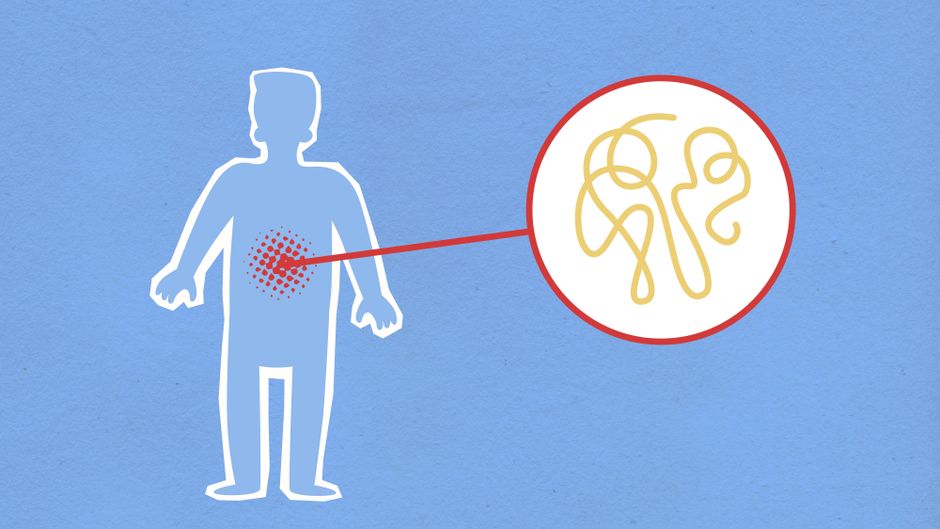
Amino acids are absorbed mainly in the small intestine, specifically the jejunum. Some absorption also happens in the duodenum and ileum. The stomach plays almost no role in absorbing amino acids — it starts protein digestion but does not absorb the building blocks that result.
That is the short answer. The longer one involves a chain of events that starts the moment you smell food and continues for hours after you eat. Understanding where and how this happens explains a lot about digestion, nutrition, and why certain gut conditions affect protein status so dramatically.
Where in the Digestive Tract Are Amino Acids Absorbed?
The small intestine is the site of nearly all amino acid absorption. Its inner surface is not smooth — it is covered in finger-like projections called villi, and each villus is covered in even smaller projections called microvilli. This folded architecture creates an enormous surface area for absorption.
Absorption begins in the duodenum, the first section of the small intestine, but the jejunum does most of the work. The ileum, the final section, absorbs what remains. By the time food reaches the large intestine, virtually all amino acids have been taken up.
The large intestine absorbs very little. Some amino acids that escape small intestine absorption reach the colon, where gut bacteria metabolize them. This produces byproducts that can affect colon health, but it is not a meaningful source of nutrition for the body.
How Does Protein Get Broken Down Before Absorption?
Protein digestion starts in the stomach. Hydrochloric acid denatures protein — it unfolds the tightly coiled chains so enzymes can reach them. An enzyme called pepsin then begins cutting those chains into shorter fragments called peptides.
Most of the actual breakdown happens in the small intestine. The pancreas releases enzymes including trypsin, chymotrypsin, and carboxypeptidase into the duodenum. These continue cleaving peptides into smaller pieces. Enzymes on the surface of the intestinal lining finish the job, splitting short peptides into single amino acids and some two- or three-amino-acid chains.
The result is a mixture of free amino acids and small peptides ready for absorption. This process is efficient — under normal conditions, the vast majority of dietary protein is broken down and absorbed.
How Do Amino Acids Cross Into the Bloodstream?
Amino acids cross the intestinal lining through specific transport proteins. These are not passive channels. They are molecular machines that move amino acids from the inside of the intestine into the cells lining it, and then out the other side into the bloodstream.
Different transporters handle different amino acids. Some are sodium-dependent, meaning they rely on a sodium gradient to pull amino acids across. Others work differently. This specificity matters because it means absorption of one amino acid can compete with another if they share a transporter.
Small peptides — two or three amino acids linked together — use a separate transporter called PepT1. This pathway is actually faster than free amino acid absorption for some amino acids. Once inside the cell, these peptides are broken down into individual amino acids before entering the blood.
From the intestinal cells, amino acids enter the portal vein. This vessel carries them directly to the liver. The liver is the first organ to see what you absorbed, and it decides what to do with each amino acid — use it, store it, or send it into general circulation for other tissues.




What Affects How Well Amino Acids Are Absorbed?
Several factors influence absorption efficiency. The health of the intestinal lining is the biggest one. Conditions that damage villi or reduce surface area — such as celiac disease or severe intestinal infections — can impair amino acid uptake.
The speed of stomach emptying matters too. If food moves through the stomach too quickly, protein may reach the small intestine before it is fully denatured and partially digested. If it moves too slowly, absorption is delayed but usually still complete.
Enzyme production is another factor. The pancreas must release enough digestive enzymes. Pancreatic insufficiency, which can occur with chronic pancreatitis or cystic fibrosis, reduces protein breakdown and therefore absorption.
Competition between amino acids is real but usually not a practical concern for people eating a mixed diet. Individual amino acid supplements, however, can compete with each other and with amino acids from food. Taking a large dose of one amino acid on an empty stomach can reduce absorption of others.
How Fast Are Amino Acids Absorbed?
Amino acid absorption begins within minutes of food entering the small intestine. The peak concentration in the blood typically occurs somewhere between one and three hours after a meal, though this varies with meal composition and individual factors.
Liquid protein sources empty from the stomach faster than solid food, so absorption starts sooner. A whey protein shake, for example, delivers amino acids to the small intestine more quickly than a steak. But total absorption over time may be similar.
The small intestine has a large reserve capacity. Even after significant portions are removed surgically, the remaining intestine often adapts and increases its absorption per unit of length. This adaptation takes time but can be substantial.
What Happens to Amino Acids After Absorption?
Once in the portal vein, amino acids travel to the liver. The liver uses them for several purposes. It builds plasma proteins, including albumin. It converts some into glucose when needed. It also regulates how much enters general circulation.
Amino acids that pass through the liver reach every tissue in the body. Muscle uses them to build and repair protein. The immune system uses them to make antibodies and other molecules. The brain uses certain amino acids to produce neurotransmitters.
The body does not store amino acids the way it stores fat or glycogen. There is no dedicated amino acid reservoir. Instead, there is a constantly recycling pool. When intake exceeds need, excess amino acids are broken down. The nitrogen is converted to urea and excreted by the kidneys. The remaining carbon skeletons are used for energy or stored as fat.
This is why protein intake matters throughout the day, not just at one meal. The pool is dynamic, and maintaining it requires regular replenishment.
Does the Colon Absorb Any Amino Acids?
The colon absorbs very few amino acids in a form the body can use for protein synthesis. Some amino acids do reach the colon, but they are largely metabolized by bacteria rather than absorbed intact.
Bacterial fermentation of amino acids in the colon produces compounds including ammonia, amines, and short-chain fatty acids. Some of these have local effects on colon cells. Ammonia is absorbed and must be processed by the liver.
This does not mean colonic amino acid metabolism is unimportant. Research suggests these bacterial processes influence colon health and may play a role in conditions like inflammatory bowel disease. But as a source of dietary amino acids for the body, the colon contributes very little.
Why This Matters for Understanding Protein Nutrition
Knowing where amino acids are absorbed helps explain why protein quality and digestibility vary. A protein that is easily broken down and absorbed provides more usable amino acids than one that resists digestion.
It also explains why gut health affects protein status. Someone with untreated celiac disease may struggle to absorb amino acids even while eating enough protein. The problem is not intake but absorption.
And it clarifies why timing can matter. Since there is no storage depot, the body relies on a steady supply. Most people eating regular meals meet this need without thinking about it. Those with higher requirements — athletes, people recovering from illness, older adults — may need to pay closer attention.
Frequently Asked Questions
Where in the digestive tract are amino acids absorbed?
Amino acids are absorbed primarily in the small intestine, with the jejunum doing most of the work. The duodenum and ileum also contribute, but the stomach and large intestine absorb very little.
Are amino acids absorbed in the stomach?
No. The stomach begins protein digestion by denaturing protein and activating pepsin, but it does not absorb amino acids. Absorption happens almost entirely in the small intestine.
How long does it take for amino acids to be absorbed?
Absorption starts within minutes of food reaching the small intestine and peaks in the blood roughly one to three hours after a meal. Liquid protein sources empty from the stomach faster than solid food.
Can you absorb amino acids without a healthy small intestine?
Not efficiently. Conditions that damage the intestinal lining, such as celiac disease or severe infections, reduce the surface area available for absorption. Some people with significant intestinal damage may need medical treatment to address nutrient deficiencies.
