
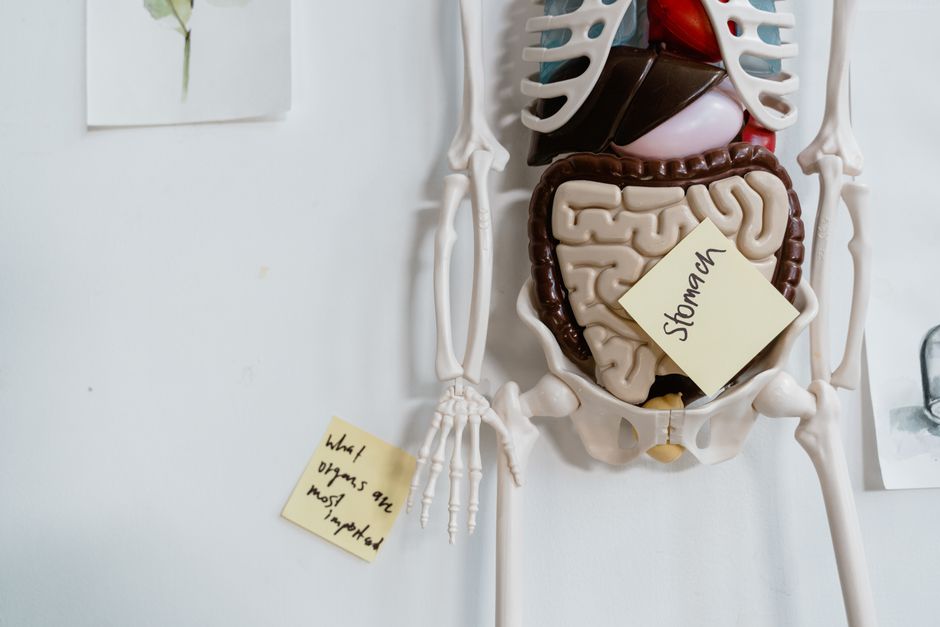
The digestive system does far more than break down food. It is the body’s largest immune organ, housing about 70% of your immune cells. The immune system and the digestive system interact constantly, working together to tell the difference between harmless food particles and dangerous invaders. This partnership protects you from infection while preventing your body from attacking the food you eat and the beneficial bacteria living in your gut.
What Is the Gut-Associated Lymphoid Tissue?
The gut-associated lymphoid tissue, or GALT, is the largest collection of immune tissue in the body. It includes the tonsils, the appendix, and specialized patches of tissue in the small intestine called Peyer’s patches. These structures are positioned along the digestive tract to sample everything that passes through.
When you eat, your gut lining is exposed to millions of foreign proteins and molecules. The GALT decides which of these are dangerous and which are safe. This is not a simple on-off switch. It is a continuous process of recognition and response that happens with every meal.
Specialized cells called M cells sit in the lining of the small intestine. They take samples of gut contents and pass them to immune cells below the surface. This sampling system lets the immune system monitor what is in your gut without triggering a full inflammatory response to every food particle.
How Does the Immune System Interact with the Digestive System?
The interaction works through a physical barrier and a chemical signaling system. The intestinal lining is a single layer of cells held together tightly. This barrier keeps most bacteria and large undigested food particles from entering the bloodstream. Beneath this lining, immune cells wait in constant readiness.
When bacteria or other threats breach the barrier, immune cells respond quickly. Macrophages engulf and destroy invaders. Dendritic cells capture pieces of bacteria and present them to T cells, which then coordinate a targeted attack. This response is fast and specific to the particular threat.
At the same time, the immune system actively suppresses responses to harmless substances. Regulatory T cells in the gut produce anti-inflammatory signals that keep the immune system calm around food proteins and normal gut bacteria. This balance between attack and tolerance is the central job of the gut immune system.
When this balance fails, problems develop. Food allergies, inflammatory bowel disease, and celiac disease all involve breakdowns in how the gut immune system decides what is safe and what is not.
What Role Do Gut Bacteria Play in Immune Function?
Trillions of bacteria live in your digestive tract. These microbes are not passive passengers. They train the immune system from birth and continue to influence its activity throughout life.
Gut bacteria produce short-chain fatty acids when they ferment fiber. These molecules, including butyrate, serve as fuel for the cells lining your colon. They also signal immune cells to maintain a balanced, non-inflammatory state. Research has consistently shown that people with diverse gut bacteria tend to have more stable immune responses.
The relationship is bidirectional. Your immune system shapes which bacteria can live in your gut, and your bacteria shape how your immune system behaves. Disruptions to this relationship, such as from a course of antibiotics, can temporarily change immune activity in the gut.
Some research suggests that a diet rich in fiber supports this healthy interaction by feeding beneficial bacteria. The evidence for fiber’s role in gut health is strong, though the specific effects on immune function vary from person to person.





How Does Inflammation in the Gut Affect the Rest of the Body?
Inflammation in the gut is not always contained there. When the intestinal barrier becomes leaky, bacterial fragments and other molecules can enter the bloodstream. The immune system responds to these signals throughout the body, not just in the digestive tract.
This is why gut health is linked to conditions that seem unrelated to digestion. Some research has connected gut inflammation to joint pain, skin conditions, and even mood disorders. The exact pathways are still being studied, but the communication between the gut and the rest of the body is well established.
Chronic inflammation in the gut can also affect how the immune system responds to other challenges. When immune cells are constantly busy in the digestive tract, they may be less available to fight infections elsewhere. This is a theoretical concern rather than a proven effect, but it explains why digestive health matters for overall immunity.
The vagus nerve provides another direct connection between the gut and the brain. This nerve carries signals from the gut to the brain and back. Immune cells in the gut can influence this signaling, which may explain why digestive distress often accompanies stress and anxiety.
Can Diet Change How Your Gut Immune System Works?
Diet is the most direct way you influence your gut immune system. What you eat becomes what your gut bacteria eat, and what your gut bacteria produce affects your immune cells.
Fiber is the most studied dietary factor. Fermentable fibers feed beneficial bacteria, which produce short-chain fatty acids that support the gut barrier and calm inflammation. Diets low in fiber reduce the production of these beneficial molecules and can shift the bacterial population toward species associated with inflammation.
Fermented foods also show some benefit. Yogurt, kefir, sauerkraut, and kimchi contain live bacteria that can temporarily increase the diversity of your gut microbiome. Some studies suggest these foods support immune function, though the effects are modest and vary between individuals.
Diets high in ultra-processed foods and added sugars tend to reduce microbial diversity. This is associated with higher levels of inflammatory markers, though the direct cause-and-effect relationship is not fully established. No single food will transform your immune system, but consistent dietary patterns matter over time.
What Conditions Are Linked to Gut-Immune Dysfunction?
Several diseases directly involve a breakdown in the gut-immune relationship. Inflammatory bowel disease, which includes Crohn’s disease and ulcerative colitis, involves an inappropriate immune attack on the intestinal lining. The exact cause is unknown, but it involves genetics, gut bacteria, and immune dysregulation working together.
Celiac disease is another example. In this condition, the immune system treats gluten as a threat and attacks the small intestine. This is a specific, well-understood immune response that occurs only in genetically predisposed people.
Food allergies involve the immune system producing antibodies against specific food proteins. These reactions can be immediate and severe. Food intolerances, by contrast, do not involve the immune system and are generally less dangerous.
Irritable bowel syndrome is more complex. It affects how the gut functions rather than causing visible inflammation, but some research suggests low-level immune activation plays a role. The evidence here is mixed, and IBS is best understood as a disorder of gut-brain interaction rather than purely an immune condition.
How Can You Support a Healthy Gut-Immune Relationship?
No supplement can replace the fundamentals. A diet with adequate fiber, fermented foods, and limited ultra-processed food supports the gut bacteria that train your immune system. Regular physical activity and adequate sleep also influence immune function, including in the gut.
Probiotic supplements are widely marketed for gut health, but the evidence for their benefits is mixed. Some specific strains have shown effects in particular conditions, but no probiotic supplement has been proven to meaningfully change overall immune function in healthy people. If you take one, understand that the evidence for benefit is limited.
Antibiotics are sometimes necessary, but they disrupt gut bacteria. If you take antibiotics, eating a fiber-rich diet afterward may help your gut bacteria recover. Some clinicians recommend this approach, though the evidence for specific recovery protocols is limited.
If you have persistent digestive symptoms, see a doctor. Unexplained weight loss, blood in the stool, or severe abdominal pain require medical evaluation. These are not problems to manage with diet changes alone.
Frequently Asked Questions
Can stress affect the immune system in your gut?
Yes. Stress activates the nervous system and can change gut motility, barrier function, and immune activity in the digestive tract. Chronic stress is associated with increased gut inflammation, though the effects vary between individuals.
Do probiotics boost your immune system?
Some specific probiotic strains have shown modest effects on certain immune markers, but no probiotic has been proven to meaningfully boost overall immunity in healthy people. The evidence for benefit is strongest for specific conditions, not general immune support.
How long does it take for your gut to recover after antibiotics?
Most people’s gut bacteria largely recover within weeks to months after finishing antibiotics, but some bacterial species may not fully return. Eating a fiber-rich diet during and after antibiotic treatment may support recovery.
Can a leaky gut cause autoimmune disease?
Increased intestinal permeability is associated with autoimmune conditions, but it is not proven to cause them. The relationship is complex, and it remains unclear whether leaky gut precedes disease or is a consequence of inflammation.
