
Digestion affects more than just your stomach. It influences your energy, your mood, and how well your body absorbs nutrients. The path to a healthier digestive system starts with daily habits: eating more fiber, drinking enough water, and moving your body regularly. These steps are simple, proven, and within your control starting today.
Why Digestion Matters More Than You Think
Your digestive tract is a long, muscular tube that runs from your mouth to your rectum. Its job is to break down food into nutrients your body can use and to eliminate what it cannot. When this system works well, you absorb vitamins, minerals, and energy efficiently. When it does not, you may feel bloated, tired, or uncomfortable after meals.
The digestive system also hosts trillions of bacteria. This community, called the gut microbiome, helps digest certain foods, produces vitamins, and supports your immune system. Research consistently shows that a diverse microbiome is linked to better digestive health. The foods you eat directly shape which bacteria thrive in your gut.
How to Improve Your Digestive System: Easy Steps to Follow
Fiber is the single most important nutrient for digestion. It adds bulk to stool, which helps food move through your system at a healthy pace. Adults should aim for roughly 25 to 38 grams of fiber per day, depending on age and sex. Most Americans get about half that amount.
Increase fiber gradually. A sudden jump can cause gas and cramping. Add a serving of vegetables, fruit, or whole grains to one meal each day for a week. Then add another. Your gut bacteria need time to adjust to the new fuel.
Good fiber sources include oats, beans, lentils, apples, carrots, and leafy greens. Both soluble fiber, which dissolves in water, and insoluble fiber, which does not, are important. Soluble fiber feeds gut bacteria. Insoluble fiber adds bulk to stool. Eat a mix of both.
Does Water Really Change Digestion?
Yes. Water is essential for moving food through your intestines. Fiber absorbs water, and without enough of it, fiber can actually make constipation worse. The digestive tract needs fluid to soften stool and keep things moving smoothly.
Plain water is the best choice. Aim for enough that your urine is light yellow or clear. This typically means drinking when you are thirsty and with meals. There is no single magic number that works for everyone, but most adults need somewhere between 8 and 12 cups of fluid daily from water, other beverages, and food.
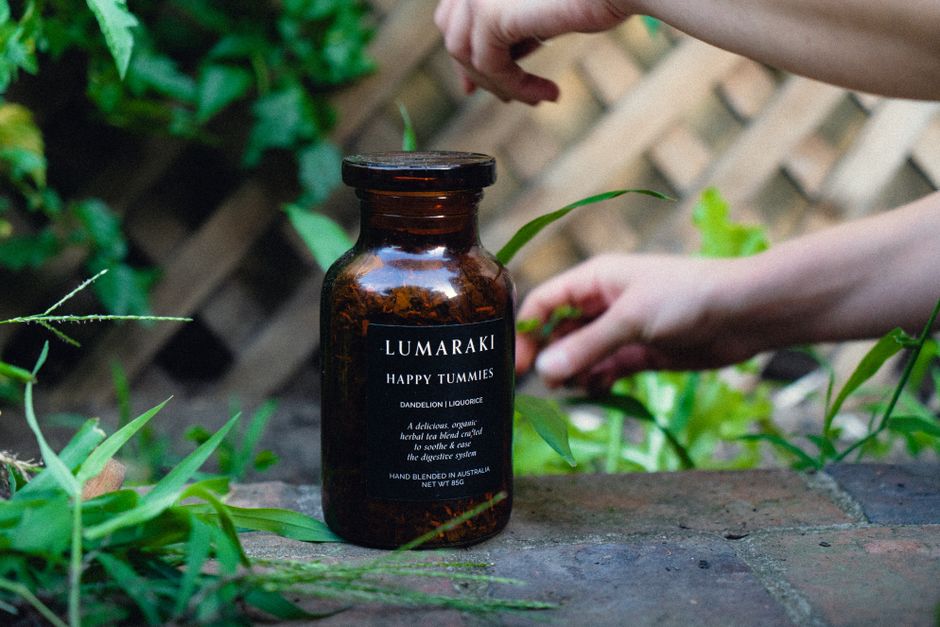
Warm liquids like herbal tea or warm water with lemon can also support digestion, though the evidence for specific benefits is limited. The key is consistent hydration throughout the day, not just at mealtimes.




What Role Does Physical Activity Play?
Movement stimulates the muscles of your digestive tract. This process, called peristalsis, pushes food forward through your intestines. Regular physical activity keeps these muscles toned and responsive.
Studies have found that moderate exercise, like a brisk 20 to 30 minute walk after meals, can reduce bloating and improve regularity. Exercise also helps maintain a healthy weight, which reduces pressure on your abdomen and lowers the risk of acid reflux and heartburn.
You do not need intense workouts. Walking, swimming, cycling, or yoga all count. The goal is consistency. Moving your body most days of the week supports better digestion better than occasional intense exercise.
Should You Take Probiotics or Digestive Enzymes?
Probiotics are live bacteria that may help restore balance in your gut. Some research suggests they can help with specific conditions like antibiotic-associated diarrhea or irritable bowel syndrome. However, the evidence for general use in healthy people is mixed. Different strains do different things, and supplements are not regulated like medications.
Food sources of probiotics include yogurt with live cultures, kefir, sauerkraut, kimchi, and miso. These are generally safe for healthy adults and provide beneficial bacteria along with other nutrients.
Digestive enzymes are proteins that help break down food. Your body makes them naturally in your saliva, stomach, and pancreas. Supplements may help people with specific conditions like lactose intolerance or pancreatic insufficiency, but there is little evidence that healthy people need them. If you do not have a diagnosed enzyme deficiency, save your money and focus on whole foods.
How Stress Affects Your Gut
Your brain and your digestive system are directly connected. This connection, called the gut-brain axis, means that stress can slow or speed up digestion. When you are anxious, your body diverts blood away from your digestive tract, which can cause cramping, nausea, or changes in bowel habits.
Chronic stress is linked to conditions like irritable bowel syndrome and acid reflux. Managing stress is not just about feeling calmer — it directly supports digestive function. Simple practices like deep breathing, regular sleep, and taking breaks from screens can help.
Eating mindfully also matters. When you eat quickly, you swallow air, which causes gas. You also tend to overeat because your brain has not yet registered fullness. Slow down. Chew your food thoroughly. Put your fork down between bites. These small changes give your digestive system time to do its job.
When Should You See a Doctor?
Most digestive discomfort is temporary and responds to lifestyle changes. But some symptoms warrant medical attention. Talk to a doctor if you experience any of the following:
- Blood in your stool or black, tarry stool
- Unexplained weight loss
- Severe abdominal pain that does not go away
- Difficulty swallowing or pain when swallowing
- Persistent vomiting or nausea
- Changes in bowel habits lasting more than a few weeks
These symptoms can indicate conditions that need proper diagnosis and treatment. Do not try to manage them with diet changes alone. A healthcare provider can run tests, identify the cause, and recommend appropriate treatment.
Foods That Can Worsen Digestion
Some foods are harder on the digestive system than others. Fried foods take longer to break down and can cause heartburn. Highly processed foods often lack fiber and contain additives that may irritate the gut. Artificial sweeteners like sorbitol and mannitol can cause gas and diarrhea in some people.
Dairy products are a problem for people with lactose intolerance, which is more common than many realize. If you notice bloating or diarrhea after milk, cheese, or ice cream, you may be lactose intolerant. This is not an allergy, but it is a real digestive issue that can be managed by choosing lactose-free products or taking lactase enzyme supplements.
Spicy foods trigger heartburn in some people, though not everyone. Carbonated drinks introduce gas into your system. Pay attention to your own patterns. If a food consistently causes discomfort, it may be worth reducing or eliminating it for a few weeks to see if symptoms improve.
Sleep and Digestion: The Overlooked Link
Your digestive system follows a rhythm tied to your sleep-wake cycle. Poor sleep disrupts this rhythm and is linked to increased gut inflammation and changes in the microbiome. Some research suggests that irregular sleep patterns are associated with more digestive complaints.
Aim for 7 to 9 hours of quality sleep per night. Try to eat your last meal at least 2 to 3 hours before bedtime. Lying down with a full stomach makes acid reflux more likely and can interfere with sleep quality. A consistent sleep schedule supports both your brain and your gut.
Frequently Asked Questions
What is the fastest way to improve digestion?
Drink more water and add fiber to your meals gradually. These two changes have the quickest, most noticeable effect on regularity and bloating.
Are probiotics necessary for a healthy digestive system?
No, not for most healthy people. Fermented foods like yogurt and kefir provide beneficial bacteria, but supplements have mixed evidence for general use.
Can stress really cause digestive problems?
Yes. The gut-brain connection means stress can slow or speed up digestion, causing cramping, bloating, or changes in bowel habits.
How much water should I drink for good digestion?
Drink enough that your urine is light yellow. Most adults need roughly 8 to 12 cups of fluid daily, but needs vary by body size and activity level.
Improving your digestive system does not require expensive supplements or complicated plans. Eat more fiber, drink water, move your body, manage stress, and sleep well. These five habits form the foundation of digestive health. Start with one change this week and build from there.
