
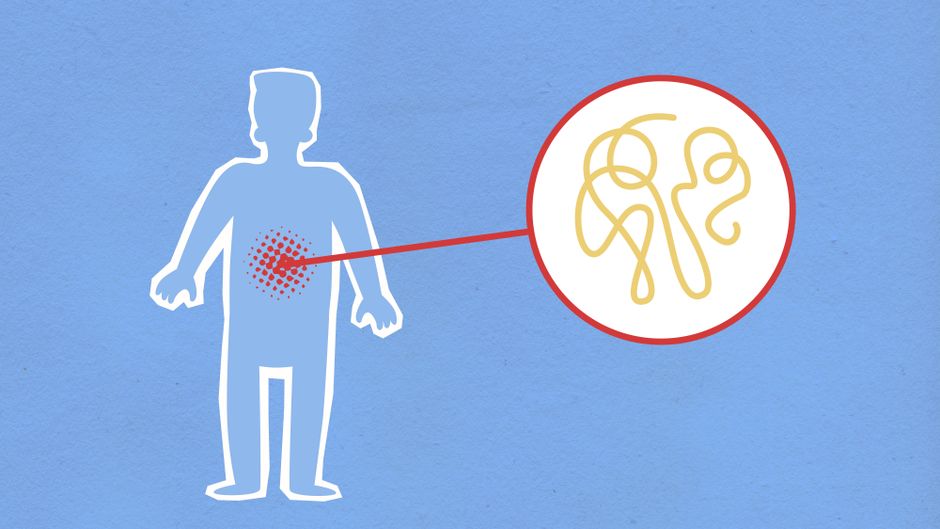
Propulsion in digestion is the set of muscular actions that move food and waste through your digestive tract, from the moment you swallow to the moment you use the bathroom. It is not a single event but a coordinated sequence of muscle contractions that push contents forward, mix them with digestive juices, and hold them in place long enough for nutrients to be absorbed. Without propulsion, even perfect digestion chemistry would be useless — the food simply would not go anywhere.
What is Propulsion in Digestion?
Propulsion is the physical movement of food through the gastrointestinal tract. It relies on smooth muscle in the walls of your digestive organs, working in patterns that are largely automatic and controlled by the enteric nervous system — a dense network of neurons embedded in the gut wall, sometimes called the “second brain.”
There are two main patterns of movement. Peristalsis is a wave of contraction that pushes contents forward. Segmentation is a back-and-forth squeezing that mixes contents in place rather than moving them along. Both happen constantly, and which one dominates depends on where you are in the digestive process.
This matters because propulsion is not just about speed. It is about timing. Your small intestine needs enough contact time with food to absorb nutrients. Your colon needs enough time to reclaim water. When propulsion runs too fast you get diarrhea and poor absorption. When it runs too slow you get constipation and bloating. The system works by keeping the pace within a fairly narrow range.
How Does Peristalsis Move Food Through Your Body?
Peristalsis works like a wave passing through a tube. A ring of muscle just behind a bolus of food contracts while the ring just ahead of it relaxes. That pushes the contents forward. The wave then repeats further down, and the process continues along the length of the tract.
The sequence starts before you even swallow. When you chew and taste food, signals prepare the esophagus for what is coming. Once you swallow, a wave of peristalsis carries the food down the esophagus in a few seconds. Gravity helps, but it is not required — peristalsis can move food to your stomach even if you are lying down or upside down.
From there, the stomach does something different. It uses strong, rhythmic contractions to churn food into a semi-liquid paste called chyme. The stomach empties this chyme into the small intestine in small, controlled spurts rather than dumping it all at once. That regulation matters — the small intestine can only process so much at a time.
In the small intestine, peristalsis continues, but it is slower and more complex. Between meals, a distinct pattern called the migrating motor complex sweeps through the gut. This housekeeping wave helps clear residual contents and bacteria, and it largely disappears once you eat again.
What Controls the Speed of Propulsion?
Propulsion is controlled by a layered system. The enteric nervous system handles most of the moment-to-moment coordination on its own. The autonomic nervous system — the part of your nervous system that runs in the background — adjusts the pace. Hormones and other signaling molecules fine-tune it further.
The parasympathetic branch of the autonomic nervous system generally stimulates digestion and movement. The sympathetic branch generally slows it down. This is why stress, fear, or intense physical exertion can disrupt normal gut activity. It is also why “butterflies in the stomach” is a real physiological event, not just a figure of speech.
Several hormones influence propulsion directly:
- Gastrin increases stomach activity and helps regulate emptying.
- Motilin helps trigger the migrating motor complex between meals.
- Secretin and cholecystokinin slow stomach emptying and adjust intestinal movement when fat and protein arrive.
- Serotonin plays a major role in gut motility — most of the body’s serotonin is actually in the digestive tract, not the brain.
This is why medications that affect serotonin can have significant effects on digestion. It is also why some people notice major changes in gut function during periods of emotional stress or hormonal shifts.



What Happens When Propulsion Goes Too Fast or Too Slow?
When propulsion is faster than normal, contents move through the intestines before water and nutrients can be fully absorbed. The result is typically diarrhea, urgency, and sometimes cramping. This can happen with infections, certain medications, some hormonal conditions, and after certain types of surgery.
When propulsion is slower than normal, contents linger. The colon keeps absorbing water, stool becomes hard and dry, and bowel movements become difficult or infrequent. This is constipation. It can be caused by low fiber intake, dehydration, medications, thyroid problems, nerve damage, or simply age-related changes in muscle function.
There is an important distinction between occasional changes and persistent ones. Everyone experiences short-term shifts in gut speed from travel, diet changes, or illness. But changes that last for weeks, come with blood in the stool, unexplained weight loss, or severe pain, need medical evaluation rather than self-management.
Disorders where propulsion itself is the primary problem do exist. These include conditions where the nerves or muscles of the gut do not work properly, sometimes called motility disorders. These are diagnosed by specialists and often require specific testing. They are not the same as ordinary irregularity, and they are not fixed by diet alone.
What Slows Down or Speeds Up Propulsion?
Many everyday factors affect how fast food moves through your system. Some are under your control. Others are not.
Things that tend to slow propulsion include:
- Low dietary fiber
- Dehydration
- Physical inactivity
- Certain medications, including some pain medications, antidepressants, and blood pressure drugs
- Hypothyroidism and other hormonal conditions
- Nerve damage from diabetes or other causes
Things that tend to speed it up include:
- High-fat meals, which can trigger stronger hormonal responses
- Some artificial sweeteners, though evidence varies by type and person
- Caffeine, in some people
- Infections and foodborne illness
- Anxiety and stress
- Certain medications, including some antibiotics and diabetes drugs
Fiber deserves a specific note because it cuts both ways. Soluble fiber can slow transit and improve stool consistency in people with loose stools. Insoluble fiber can add bulk and speed transit in people with constipation. The right type depends on the problem. Adding a lot of fiber quickly can also cause gas and bloating, so gradual increases are generally better tolerated.
There is also a non-obvious point worth understanding: the gut has its own rhythm, and it does not run on your schedule. The migrating motor complex cycles roughly every 90 to 120 minutes between meals. Eating interrupts it. This is why frequent snacking can affect gut clearance in ways that have nothing to do with what you eat and everything to do with when.
Can You Change How Your Digestive Tract Moves?
You cannot consciously control peristalsis. It is not a voluntary process. But you can influence the conditions that support normal propulsion.
Regular physical activity is associated with more regular bowel function in many studies. Staying hydrated helps keep stool soft. Eating a range of fiber-containing foods supports both the bulk and the consistency of waste. Establishing a consistent routine around meals and bathroom habits can help your body settle into a predictable pattern.
For people with persistent constipation, some clinicians recommend fiber supplements, osmotic laxatives, or prescription medications that specifically target gut motility. These are not interchangeable, and the right choice depends on the cause. Stimulant laxatives are effective for short-term use but are generally not intended for long-term daily use without medical guidance.
For persistent diarrhea or rapid transit, treatment depends entirely on the cause. Some cases resolve on their own. Others require identifying a specific trigger, infection, or underlying condition. Anti-diarrheal medications can be helpful in some situations but should be avoided when there is fever or bloody stool, because slowing the gut in those cases can make things worse.
Probiotics are often marketed for digestive regularity. The evidence here is mixed. Some specific strains have shown benefit in some specific conditions, but results vary widely, and probiotics are not a general solution for motility problems. No clinical evidence currently confirms that any probiotic reliably normalizes propulsion in healthy adults.
When Should You Talk to a Doctor About Digestion Problems?
Occasional changes in bowel habits are normal. Persistent ones are not. See a doctor if you have blood in your stool, black or tarry stools, unexplained weight loss, severe or worsening abdominal pain, fever with digestive symptoms, or bowel changes that last more than a few weeks.
You should also seek care if you have trouble swallowing, vomiting that will not stop, or symptoms that wake you from sleep. These are not typical of ordinary digestive variation and may point to something that needs evaluation.
Motility disorders are diagnosed through a combination of history, physical exam, and sometimes specialized testing such as transit studies or manometry. These tests measure how fast contents move and how well the muscles and nerves are coordinating. They are not routine, but they are available and can provide clear answers when standard approaches do not.
Frequently Asked Questions
What is propulsion in digestion in simple terms?
Propulsion is the muscular movement that pushes food and waste through your digestive tract. It happens automatically through waves of contraction called peristalsis, along with mixing movements that help break food down.
What happens if propulsion in digestion stops working?
If propulsion slows significantly, waste builds up and causes constipation, bloating, and discomfort. If it speeds up too much, food moves through before nutrients and water can be absorbed, leading to diarrhea.
Can you control peristalsis voluntarily?
No, peristalsis is controlled by the enteric nervous system and happens without conscious effort. You can influence it indirectly through hydration, fiber intake, physical activity, and managing stress, but you cannot directly control the muscle contractions.
Does stress affect propulsion in digestion?
Yes, stress activates the sympathetic nervous system, which generally slows digestion, though it can also trigger faster transit in some people. This is why digestive symptoms often worsen during periods of emotional or physical stress.
