
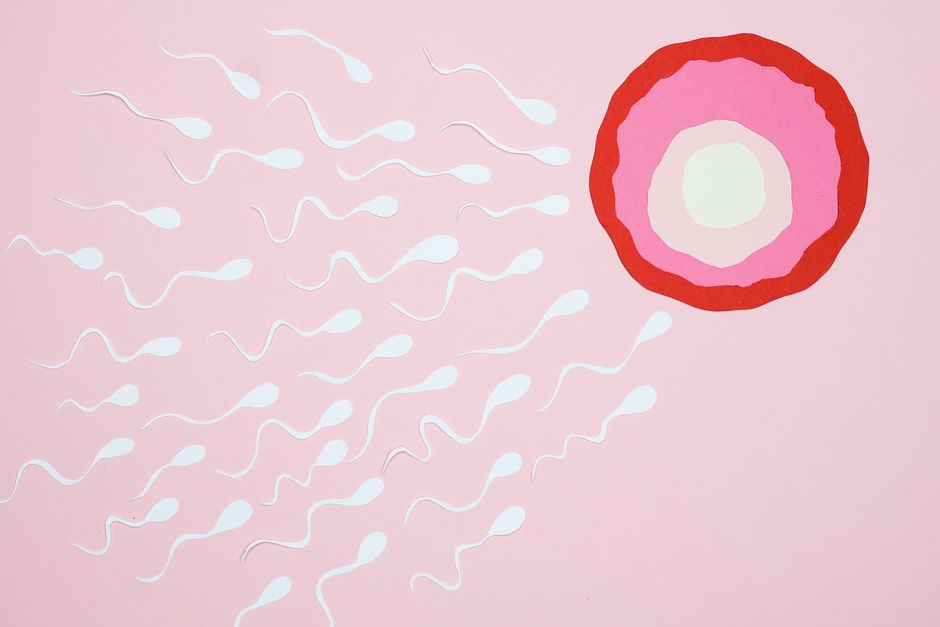
A vasectomy stops sperm from reaching your semen, but your body keeps making them. The sperm have nowhere to go, so your immune system breaks them down and reabsorbs them. This is a normal process that happens in most men after the procedure.
What Actually Happens to Sperm After a Vasectomy?
Your testicles continue producing sperm after a vasectomy. The procedure only cuts and seals the tubes that carry sperm, called the vas deferens. Sperm production does not stop.
When sperm reach the sealed end of the tube, they collect there. Your body then sends specialized immune cells to break them down. The broken-down parts are reabsorbed into your bloodstream and lymph system. This process is called phagocytosis.
This is not a new or unusual process. Your body constantly recycles old cells this way. The breakdown happens quietly, and most men never notice any sensation from it.
Where Do Sperm Go After A Vasectomy? The Breakdown Process
The immune system treats trapped sperm as waste material. White blood cells move into the area and digest the sperm cells. The leftover material enters your circulation and is filtered out by normal body processes.
This recycling continues for the rest of your life. Your testicles never stop producing sperm. The rate of sperm production may slow slightly with age, but it does not stop after a vasectomy.
Some men worry that trapped sperm could cause harm. There is no evidence that the buildup causes damage to the testicles or nearby organs. The body handles the excess sperm the same way it handles other cellular waste.
Does Sperm Buildup Cause Pain or Swelling?
Most men feel nothing from the trapped sperm. The area may feel slightly full for a few weeks after the procedure, but this usually fades.
A small number of men develop a condition called congestive epididymitis. This happens when fluid and sperm build up faster than the body can absorb them. It causes a dull ache in the testicles that can last for weeks or months.
This condition is not dangerous, but it can be uncomfortable. Anti-inflammatory medication and supportive underwear often help. In rare cases, the discomfort persists and requires further medical evaluation.
Some research suggests that men who have had a vasectomy may have a slightly higher risk of chronic testicular pain compared to men who have not. The overall risk is low, and most men who develop this pain find it improves over time.





How Long Until Semen Is Free of Sperm?
It takes time for the sperm already stored in the tubes to clear out. This is why doctors require a follow-up semen test before declaring the vasectomy successful.
The standard recommendation is to provide a semen sample after about 12 weeks or after 15 to 20 ejaculations. The test checks for any remaining sperm in the fluid.
Most men are sperm-free by the first test. Some men need a second test because a few sperm remain. Your doctor will tell you when it is safe to stop using other birth control.
You are not considered sterile until a lab confirms no sperm in your semen. This is a firm medical rule, not a suggestion. Relying on a vasectomy before this confirmation test carries a real risk of pregnancy.
Can Sperm Find Their Way Around the Blockage?
In rare cases, the cut ends of the vas deferens rejoin on their own. This is called recanalization. It can happen weeks, months, or even years after the procedure.
When this happens, sperm can travel through the reconnected tube again. This is why vasectomy failure is possible even after a test shows no sperm.
The failure rate is very low. Studies show that vasectomy is more than 99% effective at preventing pregnancy. But it is not 100% effective. No surgical procedure can guarantee absolute sterility.
If you have any concern that your vasectomy may have failed, a semen test will give you a clear answer. This is a simple test that provides reliable information.
Does a Vasectomy Affect Testosterone or Sex Drive?
A vasectomy does not affect testosterone production. The testicles continue making this hormone normally because the procedure does not touch the hormone-producing cells.
Sperm make up a tiny fraction of the fluid in your semen. Most of the semen volume comes from the prostate and seminal vesicles. Removing sperm from the mix does not change how ejaculation feels or how much fluid you produce.
Sex drive, erection quality, and orgasm sensation are not affected by a vasectomy. These functions depend on hormones, nerves, and blood flow, none of which change after the procedure.
Some men report psychological changes after a vasectomy. Removing the worry of unplanned pregnancy can change how you feel about sex. This is a normal response, not a physical effect of the procedure.
What Are the Long-Term Health Effects of Trapped Sperm?
Large studies have looked for links between vasectomy and serious health conditions. The evidence does not show a connection between vasectomy and testicular cancer or prostate cancer.
Some older research suggested a possible link to prostate cancer, but newer and larger studies have not confirmed this. Current medical consensus is that vasectomy does not increase cancer risk.
The trapped sperm are completely contained within the reproductive tract. They do not enter the abdominal cavity or spread to other organs. The breakdown process is local and controlled.
Men who have had a vasectomy have the same life expectancy and overall health outlook as men who have not. The procedure is considered one of the safest permanent birth control methods available.
How Does the Body Reabsorb Sperm Over Years?
The absorption process continues at a steady rate. Your body maintains a balance between new sperm production and breakdown of trapped sperm.
Over time, the area around the sealed tube develops a stable environment. The immune cells remain active but do not cause ongoing inflammation in most men.
There is no evidence that the trapped sperm trigger autoimmune problems. Your immune system recognizes the sperm as your own cells, even though it breaks them down. This is different from an allergic reaction or an immune attack.
Men who have had a vasectomy for decades show no difference in general health compared to men who have not had one. The long-term data is reassuring.
Can a Vasectomy Be Reversed If You Change Your Mind?
Vasectomy reversal is possible, but it requires surgery. The procedure reconnects the cut ends of the vas deferens.
Success rates for reversal depend on how long ago the vasectomy was done. The chances of restoring sperm to the semen are higher when the reversal happens sooner. But even with a successful reconnection, pregnancy is not guaranteed.
A reversal does not undo the immune system changes. Your body may continue to break down sperm even after the tubes are reconnected. This is one reason why pregnancy rates after reversal are lower than sperm presence rates.
If you are considering a vasectomy, it is best to treat it as permanent. Reversal is a complex procedure with no guarantee of success. Sperm banking before a vasectomy is an option if you think you might want biological children later.
Frequently Asked Questions
Where do sperm go after a vasectomy?
Your immune system breaks down the trapped sperm and reabsorbs the material into your body. This is a normal recycling process that continues for life.
Is it safe for sperm to stay in the body after a vasectomy?
Yes. Large studies have not found any health risks from trapped sperm. The body handles them safely without affecting overall health.
How long does it take for sperm to disappear after a vasectomy?
Sperm typically clear from the semen within 12 weeks or after 15 to 20 ejaculations. A lab test confirms when your semen is sperm-free.
Can a vasectomy fail after a negative sperm test?
Yes, but this is rare. The cut tubes can occasionally rejoin on their own, which allows sperm to travel again. The failure rate is less than 1%.
