
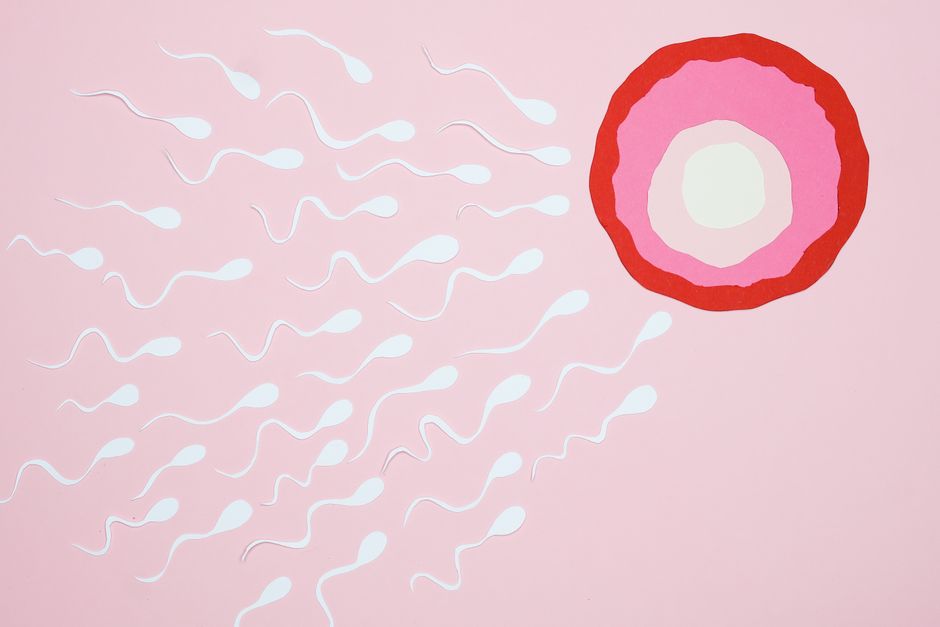
A typical ejaculation contains between 15 million and 200 million sperm per milliliter of semen. The average ejaculate volume is about 2 to 5 milliliters, which means a single load usually holds anywhere from 40 million to over 500 million total sperm. Your count is not a fixed number. It changes based on how recently you ejaculated, your overall health, your age, and even the season. Understanding what actually moves these numbers matters far more than chasing a single perfect score on a lab report.
What Is a Normal Sperm Count?
The World Health Organization sets the reference standard for what doctors consider a normal sperm count. According to the current WHO guidelines, a count of 15 million sperm per milliliter or higher is considered normal. A total sperm count of 39 million per ejaculate or more also falls within the normal range.
These numbers are not arbitrary. They come from studying thousands of men whose partners became pregnant within one year. Men below these thresholds can still father children, but the odds of natural conception decrease as the numbers drop. A count of 10 million per milliliter is not zero fertility, but it is below the established reference range.
Keep in mind that a single low reading does not mean you have a permanent problem. Sperm production cycles constantly. A one-time low count can reflect a recent illness, a poor night of sleep, or simply a short interval since your last ejaculation. Doctors typically repeat the test after several weeks before drawing any conclusions.
What Affects Sperm Count Per Ejaculation?
Several biological and lifestyle factors directly influence how many sperm leave your body in a single ejaculation. The most immediate factor is ejaculation frequency. If you ejaculate daily, each subsequent load contains fewer sperm than if you waited three to five days. Sperm need about 64 days to fully mature in the testes, followed by additional time in the epididymis for storage.
Your testicles operate best at a temperature slightly below core body temperature. That is why they hang outside the body. Anything that raises scrotal temperature can temporarily suppress sperm production. Tight underwear, prolonged sitting, hot baths, saunas, and laptops resting on your lap all raise testicular temperature. The effect is temporary, and counts typically recover within a few months once the heat source is removed.
Alcohol and tobacco both affect sperm parameters. Heavy drinking can lower testosterone production and reduce sperm count. Smoking damages sperm DNA and lowers both count and motility. Cannabis use has been linked to lower sperm concentrations in some studies, though the evidence is not as strong as it is for tobacco.
Body weight matters more than most men realize. Fat tissue converts testosterone into estrogen through an enzyme called aromatase. Men with a body mass index in the obese range often have lower testosterone and lower sperm counts. Weight loss of even 5 to 10 percent can improve sperm parameters in men who are overweight.
How Long Does It Take for Sperm Count to Change?
Sperm production is not a fast process. The full cycle from stem cell to mature sperm takes roughly 64 days. After that, sperm spend another 10 to 14 days traveling through the epididymis where they gain the ability to swim and fertilize an egg.
This timeline matters if you are trying to improve your count. Any lifestyle change you make today will not show up in a semen analysis for about three months. A man who quits smoking, loses weight, or stops taking a medication that affects fertility should expect to wait a full sperm cycle before seeing measurable improvement.
The reverse is also true. A viral illness with a high fever can suppress sperm production for up to three months after the infection clears. If you had the flu in January, a semen analysis in March might still show the effects. This delayed response often confuses men who cannot figure out why their count dropped when nothing changed recently.





Does Age Affect Sperm Count?
Men do not have a biological clock that stops sperm production the way women stop releasing eggs. Sperm production continues well into old age. However, the quality and quantity of sperm do decline gradually after age 40.
Research consistently shows that semen volume, total sperm count, and sperm motility decrease as men age. The decline is gradual rather than sudden. A 50-year-old man typically has lower sperm counts than he did at 25, but he is not sterile by any means.
Age also affects sperm DNA integrity. Older men have higher rates of DNA fragmentation in their sperm. This does not necessarily prevent conception, but it is associated with higher rates of miscarriage and certain genetic conditions in offspring. The absolute risk remains low, but it is a real consideration for couples with an older male partner.
Can Diet and Supplements Boost Sperm Count?
Nutrition plays a genuine role in sperm production because sperm are among the most rapidly dividing cells in the human body. They require adequate building blocks to form properly. Zinc, folate, selenium, and omega-3 fatty acids all participate in sperm formation and function.
Some research suggests that men with low antioxidant intake have lower sperm quality. Antioxidants like vitamin C, vitamin E, and coenzyme Q10 may protect sperm from oxidative damage. However, the evidence that high-dose supplements improve sperm counts in healthy men with normal fertility is limited. Most studies showing benefit enrolled men with documented infertility or low baseline counts.
A Mediterranean-style diet appears to be the most consistently beneficial eating pattern for sperm health. This diet emphasizes vegetables, fruits, whole grains, fish, and olive oil while limiting red meat and processed foods. One large study found that men who followed this pattern had higher sperm counts and better motility than men who ate a typical Western diet high in processed meat and refined carbohydrates.
Do not expect a single supplement to fix a low count. No pill has been proven to dramatically increase sperm production in men with normal fertility. If you have a confirmed low count, fixing an underlying cause — such as a varicocele, an infection, or a hormonal imbalance — has far stronger evidence behind it than any over-the-counter supplement.
What Medical Conditions Lower Sperm Count?
Some causes of low sperm count are medical rather than lifestyle-related. A varicocele is an enlarged vein in the scrotum that affects about 15 percent of all men and up to 40 percent of men with infertility. It raises scrotal temperature and impairs sperm production. Surgical repair of a varicocele improves sperm parameters in many men, though not all.
Infections can damage sperm production or block the tubes that carry sperm. Sexually transmitted infections like chlamydia and gonorrhea can cause scarring in the epididymis. Mumps contracted after puberty can cause inflammation of the testicles, which leads to reduced sperm production in some men.
Hormonal imbalances are another cause. The pituitary gland produces follicle-stimulating hormone and luteinizing hormone, which signal the testicles to produce sperm and testosterone. A tumor, injury, or genetic condition affecting the pituitary can lower these signals and reduce sperm output.
Certain medications also suppress sperm production. Testosterone replacement therapy shuts down your body’s own hormone production and dramatically lowers sperm count. Anabolic steroids do the same. Some blood pressure medications, antidepressants, and chemotherapy drugs also affect fertility. If you are taking any of these and planning a pregnancy, talk to your doctor about alternatives.
How Do Doctors Measure Sperm Count?
A semen analysis is the standard test. You provide a sample by masturbating into a sterile cup, typically at the clinic or lab. The sample must be analyzed within one hour of collection to be accurate.
The lab measures several parameters beyond just sperm count. They check semen volume, sperm concentration per milliliter, total sperm count, the percentage of sperm that are moving, and the percentage with normal shape. All of these matter for fertility, not just the raw count.
For the most accurate results, doctors recommend abstaining from ejaculation for two to five days before the test. Shorter abstinence gives a lower count. Longer abstinence increases the count but reduces sperm motility, since older stored sperm lose their swimming ability.
If your first analysis comes back abnormal, your doctor will likely repeat it in six to twelve weeks. Sperm counts fluctuate naturally, and a single abnormal result needs confirmation before any treatment decisions are made.
When Should You See a Doctor About Sperm Count?
You should consider a semen analysis if you and your partner have been trying to conceive for one year without success. If your partner is over 35, the recommended waiting period drops to six months because female fertility declines with age and time matters.
See a doctor sooner if you have known risk factors for infertility. These include a history of testicular surgery, undescended testicles, chemotherapy or radiation, or a previous sexually transmitted infection. Men with a known hormonal disorder or who take testosterone replacement therapy should also be evaluated earlier.
Pain, swelling, or a lump in the testicles warrants immediate medical attention regardless of fertility plans. These symptoms can indicate infection, torsion, or cancer. Do not wait for a fertility workup to address these issues.
Can You Increase Sperm Count Naturally?
Several evidence-based strategies can improve sperm count in men with confirmed low counts. Stop smoking entirely. Limit alcohol to no more than a few drinks per week. Lose weight if your body mass index is above the healthy range. Switch from tight briefs to loose boxers, especially if you spend long hours sitting.
Exercise helps, but moderation matters. Moderate aerobic exercise like brisk walking or cycling for 30 minutes most days improves sperm parameters. Extremely intense endurance training, such as marathon running or long-distance cycling, can temporarily lower sperm count due to heat and stress on the body.
Get adequate sleep. Sperm production is driven by hormones that are released during deep sleep. Men who consistently sleep fewer than six hours per night have lower testosterone and lower sperm counts in some studies.
Reduce stress where you can. Chronic stress raises cortisol, which suppresses the hormones that drive sperm production. This is not about eliminating all stress — that is unrealistic. It is about managing it well enough that your body’s reproductive system is not constantly in survival mode.
Frequently Asked Questions
How many sperm are in one ejaculation?
A typical ejaculation contains between 40 million and 500 million total sperm. The average is around 200 to 300 million, but normal ranges vary widely.
How long should I wait between ejaculations for the highest sperm count?
Waiting two to five days between ejaculations produces the highest sperm count. Waiting longer than five days increases count but reduces sperm motility.
Does masturbation lower sperm count permanently?
No. Masturbation temporarily lowers sperm count for a few hours to a day, but your body continuously produces new sperm. There is no permanent effect.
What is a dangerously low sperm count?
A count below 15 million sperm per milliliter is considered low by WHO standards. Counts below 5 million per milliliter significantly reduce the chance of natural conception.
