
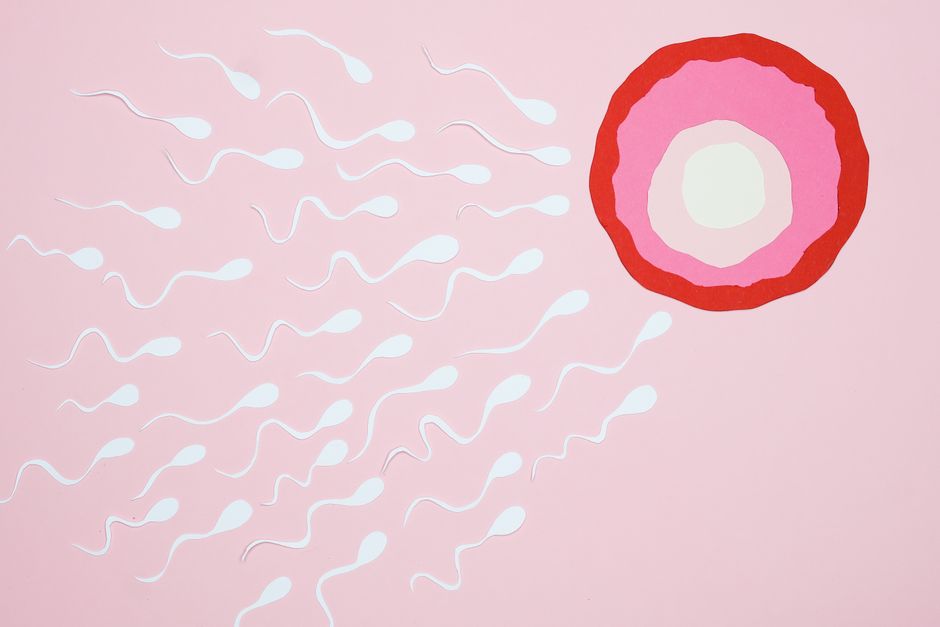
Male fertility depends on more than just sperm count, but count matters. A healthy count means millions of sperm in each ejaculate, and that number can drop due to lifestyle, health conditions, and daily habits. The good news is that many causes of low sperm count are reversible. Diet, weight, sleep, stress, and exposure to heat all play a direct role in how many sperm your body produces each day. This guide explains what the evidence shows about raising sperm count naturally, and what does not actually work.
What Is A Normal Sperm Count?
Sperm count is the number of sperm in one milliliter of semen. The World Health Organization sets the reference range. A count of 15 million sperm per milliliter or more is considered normal. A total count of 39 million or more per ejaculate is also considered normal.
Below those numbers, doctors diagnose low sperm count, medically called oligospermia. It is important to understand that a low count does not mean infertility is permanent. It means conception may take longer or require assistance. Many men with counts below the reference range still father children naturally.
Sperm production takes about 64 to 72 days. That means any changes you make today will not show up in a semen analysis for roughly two to three months. Patience is not just helpful here. It is biologically necessary.
How To Increase Sperm Count Naturally And Effectively?
Raising sperm count requires addressing the factors that lower it in the first place. The most effective natural strategies involve weight loss if needed, quitting smoking, limiting alcohol, avoiding recreational drugs, keeping the testicles cool, and correcting nutritional deficiencies. These are not theories. Each one has direct evidence behind it.
Your body produces sperm continuously, but the process is sensitive. It responds to hormones, temperature, nutrition, and toxins. When you remove the things that interfere with production and give the body what it needs, count can improve within one full sperm production cycle.
Weight, Diet, And Sperm Production
Body weight directly influences sperm quality. Fat tissue converts testosterone into estrogen. When estrogen rises, the signal to produce sperm weakens. Research consistently shows that men with a body mass index in the overweight or obese range have lower sperm counts than men at a healthy weight.
Weight loss of even 5 to 10 percent of body weight can improve sperm parameters in men who are overweight. This improvement appears linked to better hormone balance, not to any single food.
Diet quality matters for the nutrients sperm need to form properly. Sperm are built from protein, and their membranes require healthy fats. Diets rich in vegetables, fruits, whole grains, fish, and nuts are associated with better sperm quality in observational studies. Diets high in processed meat, trans fats, and sugary drinks are associated with lower counts.
The Mediterranean diet pattern has the strongest evidence behind it. This is not about a single miracle food. It is about consistently getting the range of vitamins and minerals that sperm production requires.




Specific Nutrients With Real Evidence
Some nutrients have stronger evidence than others. Zinc, folate, selenium, and omega-3 fatty acids appear most often in fertility research. Coenzyme Q10 and vitamin C also show benefits in some studies. The evidence is strongest for men who are actually deficient in these nutrients.
Zinc is critical for sperm formation. It is found in oysters, beef, pumpkin seeds, and lentils. Some research shows that zinc supplementation improves sperm count in men with low levels, but taking extra zinc when you already have enough has not been shown to help.
Selenium is part of the proteins that form sperm structure. Brazil nuts are one of the richest sources. A single Brazil nut can contain more than the daily requirement, so be careful not to overdo it. Too much selenium is toxic.
Omega-3 fatty acids, especially DHA, are structural components of the sperm membrane. Fish like salmon and sardines are good sources. Some studies suggest that omega-3 supplements improve sperm shape and movement, but results are not uniform across all trials.
Coenzyme Q10 helps power the mitochondria in sperm cells. Some randomized trials have shown improvements in sperm count and motility with CoQ10 supplementation. The evidence is promising but not definitive enough to call it a guaranteed treatment.
Vitamin D has a more complicated relationship with sperm. Some studies find a link between low vitamin D and poor sperm quality. Others find no benefit from supplementation. If you know your vitamin D is low, correcting it is reasonable for overall health. Do not expect it to be a standalone fertility fix.
Before taking any supplement, consider a simple blood test. A doctor can tell you if you are deficient. Supplementing without knowing your levels can waste money and, in some cases, cause harm.
Heat, Lifestyle Habits, And Sperm Count
The testicles sit outside the body for a reason. Sperm production works best at a temperature about 2 to 4 degrees Celsius below core body temperature. Anything that raises scrotal temperature can reduce sperm output temporarily.
Common heat sources include frequent saunas, hot tubs, and prolonged sitting. Laptops placed directly on the lap also raise scrotal temperature. Tight underwear may have a mild effect, though the evidence that boxers improve fertility over briefs is not strong. If you are trying to conceive, avoiding hot tubs and saunas for a few months is a reasonable precaution.
Smoking is one of the clearest lifestyle risk factors for low sperm count. Men who smoke have lower counts and more DNA damage in their sperm than nonsmokers. Quitting smoking improves semen quality, though the timeline varies.
Alcohol affects sperm production by interfering with testosterone. Heavy drinking is clearly harmful. The evidence on light drinking is mixed, but most fertility specialists advise limiting alcohol when trying to conceive.
Recreational drugs are not subtle in their effects. Marijuana can lower sperm count by affecting the endocannabinoid system in the testes. Anabolic steroids stop sperm production almost completely. This effect can take months or years to reverse after stopping steroid use.
Exercise, Sleep, And Stress
Regular moderate exercise improves sperm quality. Men who exercise consistently tend to have better counts than sedentary men. The type of exercise matters. One large study found that men who lifted weights or exercised outdoors had higher sperm counts than men who cycled or ran long distances. Cycling may affect sperm through pressure on the perineum and heat buildup.
Intense exercise can backfire. Overtraining lowers testosterone and can reduce sperm count. The goal is moderate, consistent activity, not exhausting yourself daily.
Sleep is often overlooked. Sperm production is driven by testosterone, and most testosterone is released during sleep. Men who sleep fewer than six hours a night have lower testosterone levels than men who sleep seven to eight hours. Short sleep is also linked to lower sperm counts in some studies.
Stress affects fertility through cortisol. High cortisol levels suppress the hormones that drive sperm production. This is not a minor effect. Men under significant psychological stress show measurable drops in sperm concentration and movement. Managing stress through exercise, therapy, or adequate sleep is not a luxury. It is part of fertility treatment.
Medical Causes And When To See A Doctor
Not all low sperm counts come from lifestyle. Some have medical causes that no diet or habit change will fix. Varicocele is the most common correctable cause. A varicocele is an enlarged vein in the scrotum that raises testicular temperature. Surgical repair improves sperm count in many men.
Infections, hormonal imbalances, and blockages in the reproductive tract can also cause low counts. Some men have genetic conditions that affect sperm production. A semen analysis followed by a urology evaluation is the standard way to identify these issues.
See a doctor if you and your partner have been trying to conceive for one year without success, or six months if your partner is over 35. See a doctor sooner if you have a history of testicular injury, surgery, infection, or if you have used anabolic steroids. A basic fertility workup for a man includes a semen analysis, a physical exam, and a hormone blood test.
Frequently Asked Questions
How long does it take to increase sperm count?
Sperm production takes about 64 to 72 days, so improvements from lifestyle changes typically appear in a semen analysis after two to three months. Some men see changes sooner, but three months is the realistic timeframe to judge whether a change is working.
Does ejaculating every day lower sperm count?
Frequent ejaculation temporarily lowers the number of sperm in each ejaculate, but it does not damage sperm production. For couples trying to conceive, ejaculating every two to three days around ovulation balances sperm count with sperm freshness.
Can tight underwear cause low sperm count?
Tight underwear raises scrotal temperature slightly, which may affect sperm production, but the effect is small and the evidence is not conclusive. Switching to loose underwear is a reasonable change, but it is unlikely to be the only cause of a low count.
Do supplements like zinc or CoQ10 actually work?
Some studies show improvements in sperm count with zinc and CoQ10 supplementation, mainly in men who are deficient or have poor baseline sperm quality. Supplements are not a guaranteed fix and should be used based on a known deficiency or under medical guidance.
