
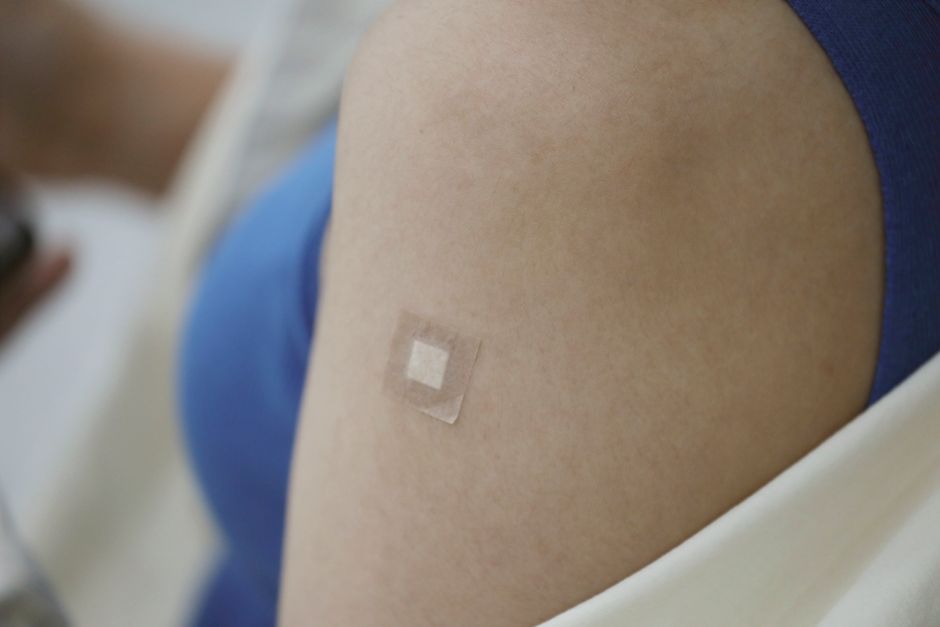
Rabies is a viral infection that is almost always fatal once symptoms appear, but it is entirely preventable with prompt vaccination. If you have been bitten or scratched by an animal that may carry rabies, you need to get the vaccine quickly. You can get the rabies vaccine at most hospital emergency rooms, urgent care centers, and local public health departments. For routine pre-exposure protection, the vaccine is available at travel clinics, specialized pharmacy clinics, and occupational health centers.
Where Can You Get The Rabies Vaccine For Humans After A Bite
After a potential exposure, your first stop should be an emergency room. Emergency departments are equipped to clean the wound thoroughly and start the rabies vaccine series immediately. They also have access to Rabies Immune Globulin (RIG), which is given directly into the wound site on the first visit. This combination of vaccine and immune globulin is the standard of care for someone who has never been vaccinated before.
Urgent care centers can also provide the first dose, but you should call ahead. Not all urgent care locations stock the rabies vaccine. If they do not have it, they will direct you to the nearest hospital that does. Do not wait for your regular doctor’s office. Most primary care clinics do not keep rabies vaccine on hand because it is used so rarely.
Your local public health department is another reliable option. Health departments often coordinate rabies treatment for their region. They can tell you exactly which facility has the vaccine in stock and can help track your remaining doses if you need to switch locations mid-series.
Where To Get Pre-Exposure Rabies Vaccine
If you need the vaccine before a potential exposure, the process is different. Pre-exposure vaccination is recommended for people at high risk of contact with rabid animals. This includes veterinarians, animal handlers, wildlife workers, and travelers spending extended time in countries where rabies is common in dogs.
Travel clinics are the most common place to get pre-exposure shots. These clinics specialize in vaccines for international travel and routinely stock rabies vaccine. You will need two doses given one week apart, and in some cases a third dose later. You should schedule this at least three to four weeks before you travel to allow your body to build immunity.
Occupational health centers also offer the vaccine for workers who are exposed to animals on the job. If you work in a lab that handles the rabies virus or in a high-risk field, your employer may have an arrangement with a specific clinic. Check with your workplace health coordinator first.
Some large retail pharmacy chains now offer rabies vaccine through their specialized clinic services. This is less common than flu or COVID shots, so call ahead to confirm availability. Pharmacists in these settings can administer the vaccine if they have been trained and certified under state law.
What To Expect During The Rabies Vaccine Series
The rabies vaccine is not a single shot. After an exposure, you will receive a series of four doses if you have never been vaccinated before. The doses are given on day zero, day three, day seven, and day fourteen. People with weakened immune systems may need a fifth dose, and your doctor will determine the right schedule for you.
On the first visit, you will also receive Rabies Immune Globulin. This provides immediate antibodies while your body starts making its own. The immune globulin is injected directly into the wound area, and any remaining amount goes into a muscle. This step is critical because the vaccine alone takes about seven to ten days to produce protective antibodies.
The vaccine is given in the upper arm muscle, just like a tetanus shot. The injections can be uncomfortable, but most people tolerate them well. Common side effects include soreness at the injection site, mild headache, and low-grade fever. Serious allergic reactions are rare.
If you have received the pre-exposure series in the past, you do not need the immune globulin after a bite. You will only need two booster doses, given three days apart. This is why pre-exposure vaccination is valuable for people at high risk — it simplifies treatment after a potential exposure and removes the need for immune globulin.



Why Timing Matters For Rabies Treatment
Rabies has one of the longest incubation periods of any infectious disease. Symptoms can appear anywhere from a few weeks to several months after exposure. The average incubation period in humans is one to three months. This timing depends on where the bite is located, how severe it is, and how much virus entered the wound.
Bites closer to the brain — such as on the face, head, or neck — progress faster. Bites on the hands and arms are also higher risk because these areas have many nerve endings. Once the virus reaches the brain, it causes encephalitis, and death is nearly certain.
This long incubation period is why post-exposure treatment works so well. Even if you wait a few days after the bite, the vaccine can still prevent the disease because the virus moves slowly along nerve pathways. However, you should not delay. Treatment should begin as soon as possible after exposure, ideally within 24 hours.
There is no time limit after which treatment becomes useless, but the window is not infinite. If you have any doubt about whether an animal was rabid, seek medical care immediately. Do not wait to see if the animal becomes sick. By the time symptoms appear in the animal, it is too late to start effective treatment.
What To Do Immediately After An Animal Bite
Before you head to the hospital, you should clean the wound thoroughly. Wash the bite area with soap and water for at least 15 minutes. This simple step significantly reduces the amount of virus in the wound. Then apply an antiseptic such as povidone-iodine or alcohol if you have it available.
Do not try to capture or handle the animal yourself. If it is a domestic pet, try to get the owner’s contact information so animal control can verify its vaccination status. If the animal is a stray or wild, contact local animal control. They will attempt to capture the animal for observation or testing.
If the animal can be safely captured and observed for ten days, you may not need the full vaccine series. Healthy dogs and cats that remain healthy during this observation period did not have transmissible rabies at the time of the bite. This standard comes from decades of veterinary research and is widely accepted in public health practice.
If the animal cannot be found or tested, you will need to complete the full vaccine series. It is safer to finish the shots than to risk developing rabies. The disease is nearly 100 percent fatal, while the vaccine has a very low risk of serious side effects.
Cost And Insurance Coverage For Rabies Vaccine
The rabies vaccine is expensive compared to routine vaccines. A full post-exposure series including immune globulin can cost several thousand dollars. The price varies widely by location and facility. Emergency rooms tend to be the most expensive place to receive the shots.
Most private health insurance plans cover rabies vaccine when it is medically necessary after an exposure. This coverage falls under emergency medical care. You will likely be responsible for copays and deductibles, which can still be significant. Check with your insurance company about coverage before you receive treatment if your situation allows.
Medicaid covers rabies post-exposure treatment in most states. Medicare Part B covers the vaccine when given in an emergency room or doctor’s office. Public health departments sometimes offer the vaccine at reduced cost or on a sliding scale based on income.
If you are uninsured, do not let cost stop you from seeking treatment. Hospital financial assistance programs can help cover the expense. Public health departments can also connect you with resources. Rabies is a fatal disease, and no cost should prevent you from receiving life-saving treatment.
How To Find The Nearest Facility With Rabies Vaccine
Call your local public health department first. They maintain an up-to-date list of facilities that stock the vaccine in your area. They can also tell you which hospital has immune globulin available, since this product is less commonly stocked than the vaccine itself.
You can also call the emergency department directly. Ask to speak with a charge nurse or the pharmacy. Ask specifically whether they have both the rabies vaccine and Rabies Immune Globulin in stock. Some smaller hospitals may need to transfer you to a larger facility, which costs you valuable time.
Your state health department website often lists designated rabies treatment centers. These centers are hospitals that have committed to maintaining vaccine supplies and staff trained in rabies treatment. If you live in a rural area, you may need to travel to a larger city for treatment.
Frequently Asked Questions
Can you get the rabies vaccine at a regular pharmacy?
Some large pharmacy chains offer the rabies vaccine, but availability is limited and varies by state. Call ahead to confirm they have it in stock before going.
How long after a dog bite can you get the rabies vaccine?
Treatment should begin as soon as possible, ideally within 24 hours of exposure. There is no strict cutoff, but earlier treatment is always safer.
Is the rabies vaccine covered by insurance?
Most private insurance plans cover the vaccine when medically necessary after an animal bite. Check with your insurer about copays and deductibles before treatment.
Do you need the rabies vaccine if the dog is vaccinated?
A healthy, vaccinated dog can be observed for ten days instead of starting treatment immediately. If the dog stays healthy during that period, you do not need the vaccine.
