

A rash is a change in the color or texture of your skin. Most rashes in adults are not dangerous. They come from contact with something irritating, a mild infection, or a reaction to a medicine. The key question is not whether you have a rash. It is whether the rash is a sign of something serious happening inside your body.
You should worry about a rash in adults when it comes with fever, spreads quickly, causes skin peeling or blistering, or feels painful rather than just itchy. You should also worry if it appears suddenly all over your body, if it comes with trouble breathing or swelling of the lips or tongue, or if it does not improve after a few days. Those are the moments to seek medical care rather than wait and see.
When To Worry About A Rash In Adults
The features that matter most are how fast the rash appeared, where it is, how it feels, and what else is happening in your body at the same time.
A rash that shows up in minutes to hours, especially with swelling or breathing trouble, is a medical emergency. That pattern suggests a severe allergic reaction, which can become life-threatening quickly. Call 911 or go to an emergency room.
A rash that spreads across much of your body over hours to a day or two deserves urgent attention. So does any rash that comes with a high fever, body aches, a stiff neck, confusion, or feeling very unwell. These combinations can point to a serious infection or a drug reaction that needs treatment.
Skin that is peeling, blistering, or coming off in sheets is another red flag. So is a rash that turns into open sores or starts to look like a burn. These can signal rare but serious conditions that need hospital care.
Here is a simple way to think about it. A rash that is only on the skin and feels mildly itchy is usually not an emergency. A rash that involves your whole body or makes you feel sick is a different situation.
What Does a Dangerous Rash Look Like?
Certain visual patterns raise concern more than others.
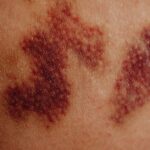
- Purple or dark spots that do not fade when you press them. This is called a non-blanching rash. Press a clear glass or your finger against the spot. If the color stays, that is a warning sign and needs urgent medical evaluation.
- Rapidly spreading redness. A red area that grows visibly over hours, especially if it is warm, swollen, and painful, can point to a deep skin infection.
- Blisters or peeling skin. Widespread blistering or skin that sloughs off is serious.
- Hives that keep spreading. Hives are raised, itchy welts. They are common and often harmless. But if they spread fast or come with swelling of the face, lips, or throat, treat it as an emergency.
- A target-shaped rash. A rash with a red ring and a lighter center can be a sign of a tick-borne illness in some regions. This needs medical evaluation.
The non-blanching rash is the one most people miss. It can be a sign that something is wrong with your blood vessels or platelets, and it should never be ignored.
What Causes a Rash That Needs Medical Attention?
Serious rashes usually fall into a few categories. Knowing them helps you understand why certain symptoms matter.
Severe allergic reactions. These can cause hives along with swelling of the throat or airways. This is an emergency because the swelling can block breathing.
Drug reactions. Some medications can trigger a rash days to weeks after you start taking them. Most drug rashes are mild. But a small number can become severe, involving the whole body, fever, and skin peeling. If you start a new medicine and develop a spreading rash with fever, contact a doctor right away.
Infections. Many infections cause rashes. Some are mild, like a common viral rash. Others are serious, like infections that cause a non-blanching rash with high fever. The difference is usually how sick you feel overall.
Blood vessel inflammation. Some conditions cause inflammation of the blood vessels, which can show up as purple spots or a net-like pattern on the skin. These need medical workup.
Autoimmune conditions. A few autoimmune diseases can cause rashes, often along with joint pain, fatigue, or other symptoms.
The pattern matters. A rash alone, without other symptoms, is far less concerning than a rash that arrives with fever, pain, or a feeling of being very ill.




When Is a Rash Probably Not Serious?
Most adult rashes are not dangerous. Knowing the common, benign patterns can help you avoid unnecessary worry.
Contact dermatitis. This happens when your skin touches something irritating, like certain soaps, metals, or plants. It stays where the contact happened and usually itches rather than hurts.
Eczema. This causes dry, itchy, inflamed patches. It is chronic and not dangerous, though it can be uncomfortable.
Mild hives. Hives can come from foods, stress, heat, or sometimes with no clear cause. If they are just itchy and not spreading fast, they are usually not an emergency.
Fungal infections. These often appear in warm, moist areas and cause itching and a defined edge. They are treatable and not dangerous.
Heat rash. This happens when sweat ducts get blocked. It is common in hot weather and usually clears on its own.
A helpful rule: if the rash is only on the skin, is not spreading fast, and you feel otherwise well, it is usually safe to watch it for a day or two.
How Fast Should You Act?
Speed matters, and it depends on the pattern.
- Call 911 or go to an emergency room now: rash with trouble breathing, swelling of the lips or tongue, or a rash that appears with confusion or fainting.
- Seek urgent care the same day: a non-blanching rash, a rash with high fever, a rash that is blistering or peeling, or a rash that is spreading very quickly.
- See a doctor within a day or two: a rash that is not improving, is getting worse, or comes with joint pain, fatigue, or other new symptoms.
- Watch at home: a mild, itchy rash in one area with no other symptoms.
Trust how you feel overall. A rash that comes with feeling genuinely unwell is a different situation from a rash that is just annoying.
What Happens When You See a Doctor for a Rash?
A doctor will usually start by asking questions and looking at the rash. The exam is often enough to narrow down the cause.
They will ask when the rash started, where it began, whether it itches or hurts, and what new products, foods, or medicines you have been exposed to. They will also ask about fever and other symptoms.
Depending on what they find, they may recommend a skin swab, a blood test, or a skin biopsy. A biopsy means taking a small sample of skin to look at under a microscope. This is more common when the cause is unclear or when a serious condition is suspected.
Treatment depends entirely on the cause. Mild rashes often need only a gentle skin care routine and time. Others need specific treatment. There is no single treatment for all rashes, which is why getting the cause right matters.
When Should You Not Wait?
Do not wait if the rash is changing fast. Do not wait if you feel very sick. Do not wait if the rash does not fade when you press it.
It is easy to talk yourself out of seeking care when a rash looks mild at first. But some serious conditions start with a rash that looks ordinary. The safest approach is to act when the rash comes with other warning signs.
If you are unsure, it is reasonable to call your doctor’s office or a nurse line and describe what you see. That call costs little and can help you decide.
Frequently Asked Questions
When should I worry about a rash in adults?
Worry when a rash comes with fever, spreads quickly, causes blistering or peeling, or does not fade when you press it. Also worry if it comes with trouble breathing, swelling of the lips or tongue, or a feeling of being very unwell.
How do I know if a rash is serious?
A serious rash often involves your whole body or makes you feel sick, rather than just itching in one spot. A non-blanching rash, blistering, or rapid spread are the clearest warning signs.
If you are not sure, it is safer to get it checked than to wait.
Can a rash be a sign of something serious?
Yes. Some rashes can be a sign of a severe allergic reaction, a serious infection, or a drug reaction. These are uncommon, but they need prompt medical care.
How long is too long for a rash to last?
If a rash is not improving after a few days, or is getting worse, see a doctor. A rash that keeps spreading or comes with new symptoms should be evaluated sooner.
