
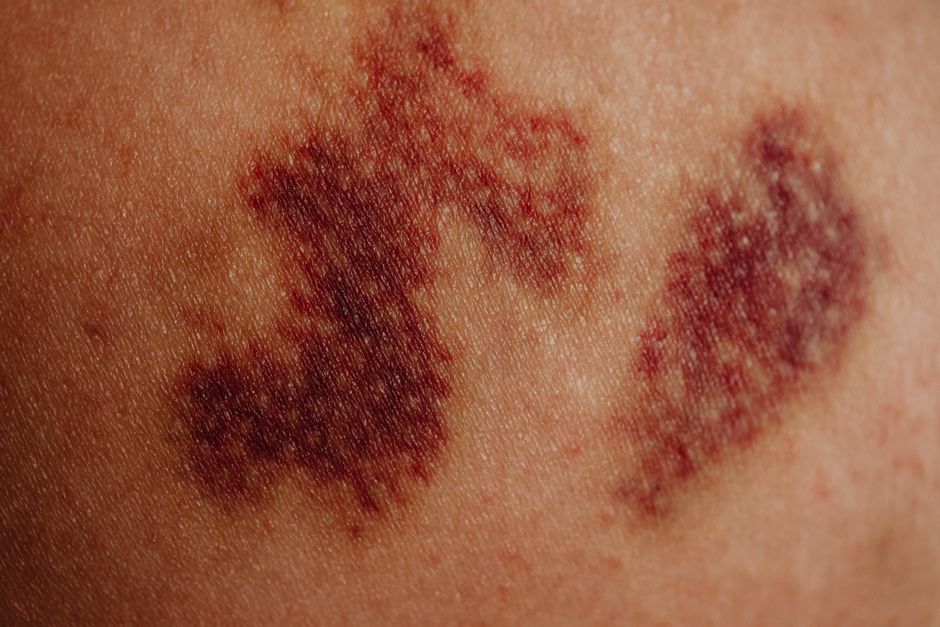
Bruises on your legs happen when small blood vessels called capillaries break under the skin. Most are harmless and heal on their own within two weeks. You should worry when bruises appear for no clear reason, keep getting bigger, or come with swelling and pain that does not fade. The key question is whether your bruising is normal or a sign something deeper is wrong.
What Causes Bruises On Legs And When To Worry?
Bruises form when blood leaks from damaged vessels into surrounding tissue. On legs this happens often because your legs take daily impact, pressure, and movement. Bumping into furniture, sports, or even just walking can cause minor vessel breaks you never feel.
Age is a major factor. The CDC notes that as you get older your skin gets thinner and blood vessels become more fragile. A bump that would not have bruised you at 30 might leave a mark at 60. This is normal aging, not disease.
Worry arises when bruises appear without any known injury. If you wake up with large purple marks and cannot recall what caused them, that is worth attention. Also concerning are bruises that grow over days instead of shrinking, or those that feel hard and painful under the skin. These could signal a blood clotting problem or a deeper injury like a muscle tear.
What Does Research on Leg Bruising Actually Show?
Research published in the Journal of the American Academy of Dermatology found that up to 18 percent of older adults develop unexplained leg bruises. Most cases trace back to fragile blood vessels, not a serious disorder. The study emphasized that location matters — bruises on shins and forearms are common and rarely dangerous.
Another study in Blood Reviews looked at people who bruise easily. It found that about 5 percent of cases involved an underlying bleeding disorder. The rest were due to medications, aging, or simple trauma people forgot. This means the odds are heavily in favor of a benign cause.
However, the same research showed that bruises on the thighs or upper legs deserve more attention. These areas are less exposed to bumps. Bruises there without a clear cause are more likely to signal a platelet or clotting factor issue.
One non-obvious finding from this research: people often underestimate how much they bump their legs. A 2023 study had participants wear leg monitors. They recorded an average of 12 minor impacts per day that participants did not remember. So “no known cause” does not always mean “no cause.”
Medications That Make You Bruise More Easily
Many common medications increase bruising. Blood thinners like warfarin, apixaban, and rivaroxaban are obvious culprits. They reduce your blood’s ability to clot, so even tiny leaks become visible bruises.
But less obvious medications also matter. Aspirin and ibuprofen affect platelet function. The American Heart Association reports that even low-dose aspirin for heart health can double your bruising frequency. Steroids like prednisone thin the skin over time, making vessels more visible and breakable.
Supplements can also play a role. Fish oil, vitamin E, and ginkgo biloba all have mild blood-thinning effects. If you take these alongside a prescription blood thinner, the combined effect can be significant. One study in Thrombosis Research found that fish oil plus aspirin increased bruising by 40 percent compared to aspirin alone.
If your bruising started after a new medication, that is the most likely cause. Talk to your doctor before stopping anything. Do not assume supplements are safe just because they are natural.





When Bruising Signals a Medical Condition
Some medical conditions cause easy bruising. The most common is iron deficiency anemia. Without enough iron, your body makes fewer platelets and weaker red blood cells. Bruises appear more easily and take longer to heal. Other signs include fatigue, pale skin, and shortness of breath during normal activity.
Vitamin deficiencies also matter. Vitamin C deficiency, called scurvy in severe form, weakens blood vessel walls. Vitamin K deficiency affects clotting factors. These are rare in people who eat a normal diet but can happen in restrictive eating patterns or after weight loss surgery.
More serious conditions include immune thrombocytopenia (ITP), where your immune system destroys platelets. The National Heart, Lung, and Blood Institute states that ITP often starts with unexplained bruising and tiny red spots called petechiae on the lower legs. Platelet counts below 50,000 per microliter of blood — normal is 150,000 to 450,000 — require medical evaluation.
Leukemia and other blood cancers can also cause bruising. This is rare. The American Cancer Society notes that bruising from leukemia usually comes with other symptoms: fever, night sweats, weight loss, or frequent infections. Bruising alone is almost never the first sign.
| Condition | Key Sign Beyond Bruising | How Common |
|---|---|---|
| Iron deficiency anemia | Fatigue, pale skin, shortness of breath | Common in women of childbearing age |
| Vitamin C or K deficiency | Slow wound healing, bleeding gums | Rare in developed countries |
| Immune thrombocytopenia | Petechiae (tiny red dots), nosebleeds | About 3 in 100,000 adults per year |
| Hemophilia (mild) | Joint pain, deep muscle bruises | 1 in 5,000 male births |
| Leukemia | Fever, night sweats, recurrent infections | About 14 per 100,000 people per year |
What Actually Helps Bruises Heal Faster?
Most bruises heal on their own in one to two weeks. The body reabsorbs the leaked blood, and the color changes from black-blue to green-yellow to brown before fading. Nothing speeds this process dramatically, but some methods help.
Ice applied in the first 24 hours reduces blood flow to the area. This limits the size of the bruise. Wrap ice in a cloth — never apply directly to skin. Fifteen minutes on, fifteen minutes off, for the first few hours.
Elevation also helps. If you bruise your lower leg, prop it up on a pillow. This uses gravity to reduce blood pooling under the skin. It is simple and free.
Some people report that arnica cream or bromelain supplements help. Evidence here is weak. A 2020 review in Complementary Therapies in Medicine found that arnica may slightly reduce bruise size compared to placebo, but the effect was small. Bromelain, an enzyme from pineapple, showed similar modest results in one small study. Neither is proven to work for everyone.
What does not work: rubbing the bruise, applying heat in the first 48 hours, or taking extra vitamin C if you are not deficient. These are common myths. Heat increases blood flow and can make the bruise larger. Rubbing does nothing useful.
Common Misconceptions About Leg Bruises
Myth: Bruises mean you are deficient in something. Most people who bruise easily have normal vitamin levels. Unless you have other symptoms of deficiency, do not assume a missing nutrient is the cause.
Myth: Yellow bruises are infected. Yellow or green color is actually a sign of healing. Hemoglobin in the trapped blood breaks down into biliverdin (green) and bilirubin (yellow). These colors mean your body is clearing the bruise normally.
Myth: You should drain a bruise. Never cut into a bruise to release blood. This introduces bacteria and can cause serious infection. The body handles reabsorption on its own.
Myth: Only old people bruise easily. While aging increases fragility, young people also bruise easily for other reasons. Medications, genetics, and activity level all matter. Some people simply have more fragile vessels than others.
What to Avoid If You Bruise Easily
If you are prone to leg bruises, certain habits make it worse. Avoid taking ibuprofen or aspirin daily unless your doctor prescribed them. These drugs thin your blood and make bruises larger and darker. Acetaminophen (Tylenol) does not affect bruising and is a safer choice for occasional pain.
Be careful with alcohol. Alcohol dilates blood vessels and impairs platelet function. Even moderate drinking can increase bruise size and number. If you notice more bruises after a night out, this is likely why.
Wear protective clothing during activities. Soccer, hiking, and even gardening involve leg impacts you may not notice. Long pants or shin guards reduce the force of bumps.
Check your home for hazards. Coffee tables, bed frames, and low cabinets are common bruise sources. Simply rearranging furniture or adding corner guards can reduce daily impacts significantly.
Frequently Asked Questions
Frequently Asked Questions
Should I worry about a bruise that does not hurt?
Not necessarily. Many bruises are painless, especially if they come from minor impacts you did not notice. Worry if the bruise grows over several days or feels hard and tender.
Can stress cause bruising on legs?
Stress alone does not cause bruises. But chronic stress can weaken your immune system and affect sleep, which slows healing. It may make existing bruises last longer.
When should I see a doctor for a leg bruise?
See a doctor if bruises appear without any known cause, if you have a family history of bleeding disorders, or if bruises come with unusual bleeding from your gums or nose.
Do varicose veins cause bruising?
Varicose veins themselves do not bruise. But the fragile skin and vessels around varicose veins can break more easily, leading to bruises near the vein area.
