
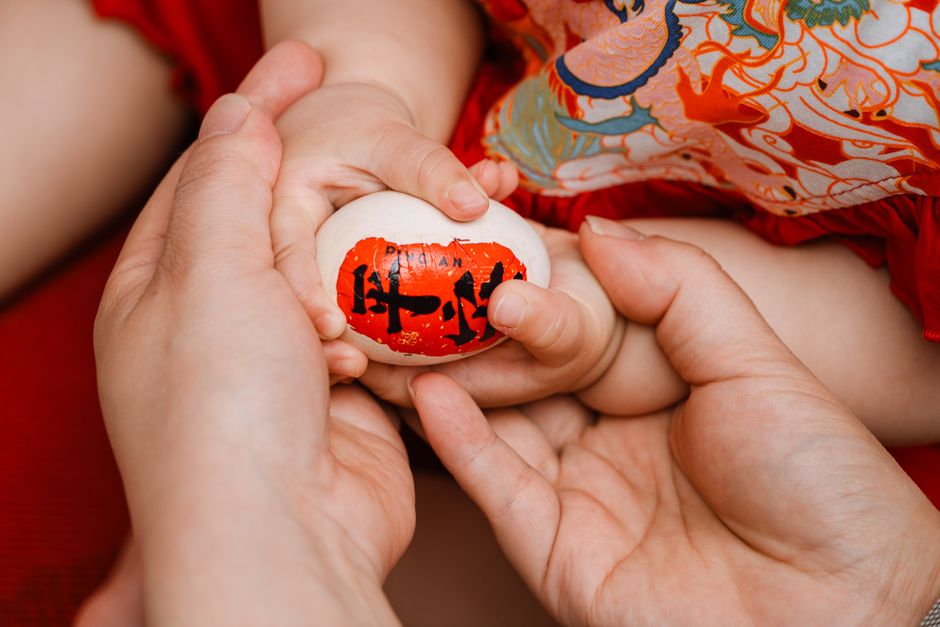
Most babies can start eating eggs as soon as they are ready for solid foods, which is typically around 6 months of age. The old advice to wait until after the first birthday has been retired by major health organizations. Current guidelines from the American Academy of Pediatrics and the CDC say introducing eggs early may actually help prevent food allergies.
When Exactly Can I Give My Baby Eggs?
You can give your baby eggs as soon as they show signs of readiness for solids. This usually happens between 4 and 6 months, though most pediatricians recommend waiting until 6 months. Signs include sitting with minimal support, showing interest in food, and losing the tongue-thrust reflex that pushes food back out.
The key change in guidance happened in 2017. That is when the National Institute of Allergy and Infectious Diseases updated its guidelines based on strong evidence from the LEAP study. Research published in the New England Journal of Medicine found that early introduction of eggs reduced the risk of egg allergy by about 80% in high-risk infants.
There is no benefit to waiting. Delaying eggs past 12 months does not prevent allergies and may increase the risk. If your baby is ready for solids, eggs can be on the menu.
How Should I Prepare Eggs for My Baby?
Texture matters more than you might think. Whole hard-boiled eggs are a choking hazard for infants. So are large chunks of scrambled egg. The safest way to serve eggs to a baby is fully cooked and mashed or cut into tiny pieces.
Here are the best ways to prepare eggs for your baby:
- Hard-boil the egg, then mash the yolk and white together with a fork
- Scramble the egg until fully firm, then chop into pea-sized pieces
- Mix a scrambled egg into oatmeal or pureed vegetables
- Make egg-based pancakes or muffins that are soft and easy to grasp
Always cook eggs until both the white and yolk are firm. Runny eggs carry a risk of salmonella, which is especially dangerous for infants under 12 months. The CDC recommends cooking eggs until they reach 160°F internally.
Do not add salt, sugar, or honey to eggs for your baby. Honey carries a risk of infant botulism before age 1. Keep eggs plain or mix them with other single-ingredient foods your baby has already tried.
Does the Type of Egg Matter?
You do not need special eggs. Conventional large eggs from the grocery store are fine. Organic, pasture-raised, or omega-3 enriched eggs offer no proven advantage for allergy prevention or nutrition in infants. The evidence does not support paying more for specialty eggs for this purpose.
What matters is that the eggs are fresh and properly stored. Check the sell-by date. Keep eggs refrigerated at 40°F or below. Crack each egg into a separate bowl before adding it to the pan so you can check for freshness and avoid shell fragments.
Brown eggs and white eggs are nutritionally identical. The shell color depends on the breed of the chicken, not the quality. Choose whichever is cheaper or more convenient.





What If My Baby Has Eczema or a Family History of Allergies?
This is where the guidance changed most dramatically. Babies with severe eczema or a parent or sibling with food allergies used to be told to avoid eggs until age 2 or 3. That advice is now known to be wrong. Research shows that delaying eggs in high-risk infants actually increases the chance of developing an egg allergy.
The LEAP study, published in 2015, followed 640 high-risk infants. Some were given peanut protein early, others avoided it. The early-introduction group had an 81% lower rate of peanut allergy. Follow-up studies on eggs showed similar patterns. Early exposure trains the immune system to recognize egg protein as safe rather than as a threat.
If your baby has moderate to severe eczema, talk to your pediatrician before introducing eggs. They may recommend introducing eggs in the office or having an allergy plan ready. But the default position is no longer avoidance. It is early introduction.
For babies with a known egg allergy from a previous reaction, do not give eggs again without a doctor’s guidance. Mild reactions like a rash around the mouth are common and often not dangerous. Hives, vomiting, or difficulty breathing require immediate medical attention.
What Does an Egg Allergy Look Like in Infants?
Egg allergy symptoms usually appear within minutes to two hours after eating. The most common signs are skin reactions. You might see redness, hives, or a raised rash around the mouth or on the body. Some babies get a runny nose, sneezing, or red and watery eyes.
Digestive symptoms can include vomiting, stomach cramps, or diarrhea. These are less common but can happen. Severe allergic reactions, called anaphylaxis, are rare in infants but possible. Signs include trouble breathing, swelling of the lips or tongue, wheezing, or turning pale and floppy.
Most egg allergies in children resolve by school age. Research published in the Journal of Allergy and Clinical Immunology found that about 50% of children outgrow egg allergy by age 5, and about 70% by age 16. The allergy is far more likely to resolve if the child can tolerate baked eggs, like those in muffins or cakes.
If your baby has a mild reaction like a few hives around the mouth, call your pediatrician. If they have trouble breathing or swelling, call 911 immediately. Do not give antihistamines without medical guidance first.
Can I Give My Baby Eggs Every Day?
Yes, eggs can be part of your baby’s daily diet. One egg per day is safe and nutritious for most infants. Eggs provide high-quality protein, choline for brain development, and vitamin D for bone health. The American Heart Association does not set a limit on dietary cholesterol for infants the way it does for adults.
Variety still matters. Do not replace all other protein sources with eggs. Rotate eggs with meat, poultry, fish, beans, lentils, and yogurt. This ensures a wider range of nutrients and prevents your baby from getting bored with one food.
There is no evidence that eating eggs daily causes any harm in infants. Some parents worry about cholesterol, but blood cholesterol in infants is not affected by dietary cholesterol the same way it is in adults. The body tightly regulates cholesterol levels in the first year of life.
Comparison: Early Introduction vs. Delayed Introduction
| Factor | Early Introduction (4-6 months) | Delayed Introduction (after 12 months) |
|---|---|---|
| Allergy risk | Lower (studies show 80% reduction) | Higher (no protective effect) |
| Nutritional benefit | Earlier access to protein, choline, iron | Missed months of key nutrients |
| Current medical guideline | Recommended by AAP, CDC, NIAID | Not recommended |
| Choking risk | Same (depends on preparation) | Same (depends on preparation) |
| Convenience | Requires careful preparation | Easier to serve whole |
The evidence clearly favors early introduction. The only real advantage of waiting is that older babies can handle larger pieces of egg, which saves some preparation time. That convenience does not outweigh the allergy prevention benefit.
Common Misconceptions About Babies and Eggs
You may have heard that egg whites are dangerous for babies. This is a myth. Both the white and yolk can cause allergies, and both are safe to introduce together. The old advice to give only the yolk first had no scientific basis. Give the whole egg once it is fully cooked.
Another common claim is that eggs cause high cholesterol in children. This is not supported by evidence. Dietary cholesterol has little effect on blood cholesterol in infants and toddlers. Eggs are a nutrient-dense food that supports growth and development.
Some parents believe that organic eggs are safer for babies. There is no evidence that organic eggs have fewer allergens or contaminants than conventional eggs. The FDA regulates all eggs for safety. Washing and cooking eggs properly is what matters, not the label on the carton.
You might also hear that you should start with a tiny amount and slowly increase. This is not necessary. You can give a full serving of egg on the first try. Start with a small spoonful if you are nervous, but there is no medical reason to gradually increase the dose.
Frequently Asked Questions
Can I give my 4-month-old eggs?
Only if your pediatrician has confirmed your baby is ready for solids. Most babies are not developmentally ready until closer to 6 months.
Should I give my baby egg white or yolk first?
Give the whole egg. There is no reason to separate them. Both parts are safe when fully cooked.
What if my baby has a reaction to eggs?
Stop giving eggs and call your pediatrician. If the reaction involves trouble breathing or swelling, call 911 immediately.
Can I mix eggs with breast milk or formula?
Yes, you can mix fully cooked mashed egg into breast milk or formula. Just make sure the egg is completely cooked first.
