
Blood pressure is not a fixed number. It changes minute by minute, and a wide range of factors push it up or pull it down across the day. The main influences fall into a few groups: what you eat and drink, how much you move, your weight, your stress level, your sleep, your medications, and your underlying health conditions.
Some of these you can change. Others you cannot. Knowing which is which helps you understand your own readings instead of guessing.
What Is Blood Pressure, Exactly?
Blood pressure is the force of blood pushing against the walls of your arteries. It is written as two numbers. The top number, systolic pressure, is the force when your heart beats. The bottom number, diastolic pressure, is the force when your heart rests between beats.
A normal reading is generally below 120/80 mm Hg. Readings consistently at or above 130/80 mm Hg are typically classified as high blood pressure in US clinical practice. A single high reading does not mean you have high blood pressure. Diagnosis usually requires multiple elevated readings over time.
Blood pressure naturally rises and falls throughout the day. It tends to be lowest during sleep and higher in the morning. This is normal physiology, not a sign of a problem.
What Factors Can Influence Your Blood Pressure?
The factors that influence blood pressure fall into two broad groups: things you can change and things you cannot. Both matter, but they matter in different ways.
Modifiable factors include diet, physical activity, body weight, alcohol intake, smoking, stress, and sleep quality. Non-modifiable factors include age, genetics, and certain chronic conditions.
Here is how the main categories break down:
- Diet: Sodium intake, potassium intake, and overall eating pattern all affect blood pressure.
- Physical activity: Regular movement helps keep blood vessels flexible and lowers resting blood pressure over time.
- Body weight: Excess weight increases the workload on your heart and is strongly linked to higher blood pressure.
- Alcohol and tobacco: Both raise blood pressure. Alcohol does so directly. Smoking damages blood vessel walls and temporarily spikes pressure with each cigarette.
- Stress: Short-term stress raises blood pressure temporarily. Chronic stress may contribute to sustained elevation through indirect pathways like poor sleep and unhealthy coping habits.
- Sleep: Poor sleep quality and sleep disorders, especially sleep apnea, are linked to higher blood pressure.
- Medications and health conditions: Some prescription drugs, over-the-counter medications, and conditions like kidney disease or thyroid disorders can raise blood pressure.
How Does Sodium Affect Blood Pressure?
Sodium is one of the most studied dietary factors in blood pressure. Excess sodium causes the body to retain fluid. More fluid in the bloodstream means more pressure against artery walls.
The relationship is well established. Reducing sodium intake lowers blood pressure in many people, though the size of the effect varies from person to person. Some people are more sodium-sensitive than others. This sensitivity tends to be more common in older adults, Black adults, and people who already have high blood pressure.
Most sodium in the US diet does not come from the salt shaker. It comes from processed and restaurant foods. Bread, deli meat, canned soups, and frozen meals are common sources. Reading labels helps you see where sodium is actually coming from.
Federal dietary guidelines recommend limiting sodium to less than 2,300 mg per day for most adults. The American Heart Association suggests an ideal limit closer to 1,500 mg per day, particularly for people with high blood pressure. These are established recommendations, not marketing claims.

How Do Weight, Exercise, and Alcohol Play a Role?
Body weight has a direct relationship with blood pressure. As weight increases, blood pressure tends to rise. Losing weight, when a person has excess weight, tends to lower it. Even modest weight loss can produce measurable improvement in some people.
Physical activity works through several mechanisms. It helps blood vessels relax and widen. It also supports weight management and improves sleep quality. Regular aerobic activity, such as brisk walking, has been shown to lower resting blood pressure over weeks to months. The effect is not immediate. It builds with consistency.
Alcohol raises blood pressure when consumed regularly and in larger amounts. The relationship appears to be dose-dependent. Drinking less tends to lower blood pressure. For people who drink heavily, reducing intake can produce a meaningful drop.
Smoking is a separate issue. Nicotine temporarily spikes blood pressure with each use. Over time, smoking damages the lining of blood vessels and contributes to artery stiffness. Quitting does not always lower blood pressure numbers directly, but it reduces cardiovascular risk substantially.
Can Stress and Sleep Affect Your Numbers?
Stress raises blood pressure in the short term. This is normal. Your body releases hormones like adrenaline and cortisol, which tighten blood vessels and increase heart rate. When the stressful moment passes, blood pressure usually returns to baseline.
The harder question is whether chronic stress causes lasting high blood pressure. The evidence here is mixed. Some studies suggest a link. Others do not find a strong direct connection. What is clearer is that chronic stress often leads to behaviors that do raise blood pressure: poor sleep, eating more processed food, drinking more alcohol, and moving less.
Sleep matters more than many people realize. During normal sleep, blood pressure drops by about 10 to 20 percent compared to daytime levels. This dip is called nocturnal dipping, and it appears to play a role in cardiovascular health. When sleep is fragmented or too short, this dip may not happen.
Sleep apnea is a strong example. In obstructive sleep apnea, breathing repeatedly stops and restarts during sleep. This triggers surges in blood pressure and stress hormones throughout the night. Sleep apnea is well established as a contributor to resistant high blood pressure, meaning blood pressure that stays high despite treatment. Treating the apnea often improves blood pressure control.
Which Medications and Conditions Can Raise Blood Pressure?
Several common medications can raise blood pressure as a side effect. This is not a reason to stop taking them. It is a reason to talk with your doctor about monitoring and alternatives.
Medications that can raise blood pressure include:
- Nonsteroidal anti-inflammatory drugs (NSAIDs), such as ibuprofen and naproxen, especially with regular use
- Some decongestants, including pseudoephedrine
- Certain antidepressants
- Oral contraceptives, in some women
- Steroids
- Some migraine medications
Underlying health conditions can also raise blood pressure. Kidney disease is one of the most common. The kidneys regulate fluid balance and produce hormones that affect blood vessel tone. When kidney function declines, blood pressure often rises. Thyroid disorders, both overactive and underactive, can affect blood pressure as well. So can certain hormonal conditions like primary aldosteronism, which is more common than once thought.
If your blood pressure is difficult to control, your doctor may look for a secondary cause. This is standard clinical practice, not a rare scenario.
Why Do Readings Vary So Much?
Blood pressure is not static. It changes with posture, time of day, caffeine, talking, bladder fullness, and even the temperature of the room. A reading taken right after rushing to an appointment can be higher than your true resting pressure.
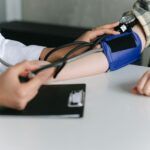
This is why proper measurement technique matters. Feet flat on the floor. Back supported. Arm at heart level. No talking. Five minutes of quiet rest before the cuff inflates. These steps are not suggestions. They are part of established measurement guidelines.
White coat hypertension is a real phenomenon. Some people have higher readings in a clinical setting than at home. Masked hypertension is the opposite: normal readings in the clinic but elevated ones at home. Both are recognized in clinical practice and can affect treatment decisions.
Home monitoring, when done with a validated device and correct technique, often gives a clearer picture of your typical blood pressure than occasional clinic readings. Bringing your home readings to appointments helps your doctor see the full pattern.
Frequently Asked Questions
Can one high blood pressure reading mean I have hypertension?
No. A single elevated reading is not enough to diagnose high blood pressure. Diagnosis typically requires multiple elevated readings over time, often confirmed with home monitoring or ambulatory monitoring.
Does caffeine raise blood pressure?
Caffeine can cause a temporary spike in blood pressure, usually within 30 minutes of drinking it. The effect is short-lived, and regular coffee drinkers tend to develop tolerance to it. Long-term effects on blood pressure are not clearly established.
Can losing weight lower my blood pressure?
Yes, weight loss can lower blood pressure in people who have excess weight. Even modest loss has been shown to produce measurable improvement in some people. The effect varies by individual.
Is high blood pressure always caused by lifestyle?
No. Genetics, age, kidney disease, hormonal conditions, and some medications can all raise blood pressure regardless of lifestyle. Many people have more than one contributing factor.
